x

Múzeumi minőségű giclée vagy vászonnyomat, gyors gyártással és rugalmas finomítási lehetőségekkel. ( Kézzel festett másolat rendelése Kép letöltése)





























Válasszon előre meghatározott méreteink közül, amelyek megfelelnek a műalkotás eredeti arányainak.

Megadhat saját méreteket is egy konkrét kerethez vagy helyszínhez igazítva. Amennyiben a kiválasztott méret nem egyezik az eredeti kép arányokkal, a műalkotást le fogjuk vágni, vagy kiegészítjük a képet tükrözött vagy egyszínű szélekkel. A gyártás megkezdése előtt egy digitális tervezetet küldünk jóváhagyásra.
Kérjük, vegye figyelembe, hogy a képernyőn látható előnézet nem tükrözi a tényleges levágást vagy kiegészítést. Csak a tervezet mutatja pontosan a végső kompozíciót.
Bár az egyedi méretek is elérhetőek, az eredeti arányok megőrzése érdekében azt javasoljuk, hogy válasszon a előre meghatározott listából származó méretet.
Világszerte történő kiszállítás területére mindössze 2 hét alatt, a szokásos 4-5 hét helyett. (21 augusztus)


The Spanish Dancer
Reprodukció mérete
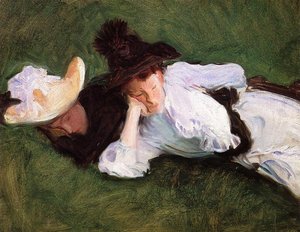
John Singer Sargent's "The Spanish Dancer," painted in 1879 and currently residing within the National Gallery of Art, is more than just a depiction of a performance; it’s a carefully constructed tableau brimming with atmosphere, movement, and an underlying sense of mystery. This oil on canvas masterpiece transcends mere representation, offering a glimpse into the vibrant world of late 19th-century Spain and the artist's masterful command of light, color, and human form. The painting immediately draws the viewer in, not just with its subject matter – a group of dancers bathed in the dramatic glow of an unseen stage – but with the palpable energy radiating from the scene itself.
Sargent’s Realist style is powerfully evident here, eschewing idealized beauty for a strikingly honest portrayal of his subjects. He doesn't shy away from the physicality of dance, capturing the strain and grace of the dancers’ postures, their flushed skin reflecting the heat of the performance. The composition itself is dynamic, utilizing varying depths to create an illusion of space – figures surge forward into the foreground, while others recede into the shadowy background, drawing us deeper into this nocturnal world. The arrangement isn't simply decorative; it actively directs our gaze and reinforces the sense of movement that defines the subject.
The painting’s dominant color palette is a masterful exercise in restraint – a carefully orchestrated symphony of dark browns, deep blacks, and muted grays. These somber tones immediately establish a nocturnal atmosphere, suggesting an outdoor setting shrouded in twilight or perhaps even darkness. However, Sargent doesn't rely solely on darkness; he strategically introduces subtle highlights—flecks of yellow and white—to illuminate specific figures and create points of visual interest. These carefully placed lights mimic the effect of lanterns or starlight, adding a layer of drama and hinting at the source of illumination without explicitly revealing it. The limited range of colors amplifies the impact of these highlights, making them all the more captivating.
Sargent’s brushwork is equally crucial to the painting's success. Loose, expressive strokes convey not just the appearance of movement but also the very *feeling* of dance – the quick shifts in weight, the rhythmic gestures, and the underlying passion. The visible texture created by these brushstrokes adds depth and visual interest to the canvas, preventing it from feeling flat or static. Notably, there’s a sense of “impasto” in certain areas, where the paint is applied thickly, further emphasizing the physicality of the scene.
Beyond its technical brilliance, "The Spanish Dancer" resonates with symbolic depth. The darkness surrounding the dancers can be interpreted as representing mystery, passion, or perhaps even a hint of danger – elements intrinsic to the world of flamenco performance. The figures themselves are caught in moments of intense expression, their postures conveying joy, freedom, and an almost primal energy. It’s not simply a depiction of dancing; it's a portrayal of a powerful, visceral experience.
Interestingly, Sargent’s style subtly leans into Impressionistic influences alongside his Realist approach. The atmospheric quality of the painting—the diffused light, the blurred edges—suggests an awareness of capturing fleeting moments and impressions rather than creating a strictly objective representation. This blending of styles contributes to the work's enduring appeal, making it both visually striking and emotionally evocative.
The National Gallery of Art’s collection offers a valuable opportunity to experience this iconic artwork firsthand. For those seeking a high-quality reproduction, Most-Famous-Paintings.com provides meticulously crafted hand-painted reproductions that faithfully capture the essence of Sargent's masterpiece. These reproductions allow art lovers to bring this captivating scene into their homes or offices, celebrating its beauty and historical significance. Further exploration can be found through resources like Wikipedia and the Metropolitan Museum of Art’s collection database, offering deeper insights into the artist’s life, techniques, and the broader context of “The Spanish Dancer.”


1856 - 1925 , Olaszország

Fedezze fel John Singer Sargent 25 legikonikusabb művészeti alkotását! Portrék, impresszionista stílus és a fény játéka – inspirálódjon Sargent életrajzából és vászonképeiből. Művészeti reprodukciók otthonába a Most-Famous-Paintings-on!

Explore the life & art of John Singer Sargent, premier portraitist of the Gilded Age. Discover his Impressionistic masterpieces, technical brilliance, and enduring legacy. Expert insights for collectors.
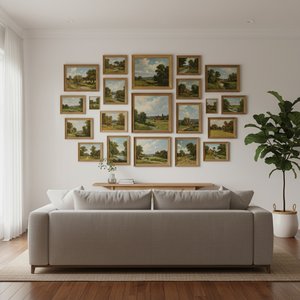
Fedezze fel John Constable 25 legszebb művészeti alkotását! Ismerje meg a romantika ikonikus tájképeit, Dedham Vale szépségét és a természet lenyűgöző ábrázolásait. Vászonkép reprodukcióinkkal eleganciát csempészhet otthonába – Most-Famous-Paintings.com

Discover the luminous mastery of John Singer Sargent. Explore an expert analysis of his legendary light, Gilded Age elegance, and technical brilliance, perfect for fine art enthusiasts seeking to bring timeless classical beauty into their modern collections.

Discover the breathtaking elegance of John Singer Sargent's masterpieces. From iconic Gilded Age portraits to impressionistic landscapes, explore the technical brilliance and timeless allure of this American master through our premium, hand-painted fine art reproductions.


Maradjon naprakész a legfrissebb művészeti hírekkel, exkluzív ajánlatokkal és dekorációs ötletekkel.
Írja le nekünk projektjét, és művészeti szakértőink 3 személyre szabott műalkotási javaslatot készítenek Önnek.
Hagyjuk, hogy mi válogassunk ki Önnek 3 legjobb opciót – Ingyenesen!


 Megtekintés
 Küldés
 Megosztás
 Részletek

 Letöltés
 Hasonló darabok
 X-ray felvétel
 Diavetítés


 Összes részlet megjelenítése







 Az üvegkeretes opció csak 110 cm alatti méretben érhető el