


x

Kézzel festett olajvastú vászon, az Ön által választott méretben és keretben, művészeink készítik meglévőre. ( Nyomat rendelése Kép letöltése)
Válasszon előre meghatározott méreteink közül, amelyek megfelelnek a műalkotás eredeti arányainak.

Ön megadhat saját méreteket egy adott kerethez vagy térhez igazításhoz. Ha a kiválasztott méret nem egyezik az eredeti kép arányával, akkor a műalkotást levágjuk, vagy további kézzel festett elemekkel meghosszabbítjuk a festményt. A gyártás megkezdése előtt küldünk Önnek egy digitális előnézetet jóváhagyásra.
Kérjük, vegye figyelembe, hogy a képernyőn megjelenő előnézet nem tükrözi a tényleges vágást vagy kiterjesztést. Csak az előnézet fog pontosan mutatni a végső kompozíciót.
Bár egyedi méretek állnak rendelkezésre, javasoljuk, hogy válasszon egy méretet az előre meghatározott listából az eredeti arányok megőrzése érdekében.
Világszerte elérhető szállítás () 3-4 hét alatt a szokásos 5 hét helyett. (14 augusztus). A minőség nem kérdőjelezhető.


Self portrait
Reprodukció mérete

Born in Woerden, Netherlands, in 1881, Leo Gestel’s life was inextricably linked to the world of art from a young age. His father, Willem Gestel, was a respected artist and director of an art school, while his uncle, Dimmen Gestel, had even collaborated with Vincent van Gogh – a lineage that undoubtedly shaped Leo's artistic trajectory. Early financial difficulties forced him into advertising work for companies like Philips, a pragmatic necessity that nonetheless provided exposure to visual communication and design, skills he would later integrate into his paintings. Gestel’s journey wasn’t one of immediate recognition; it was a gradual evolution through various movements, reflecting the dynamism of early 20th-century art.
A pivotal moment in Gestel's artistic development occurred during his time in Paris. Immersed in the vibrant avant-garde scene, he encountered artists pushing boundaries with cubism, expressionism, and futurism – movements that profoundly impacted his own style. The influence of Herwarth Walden’s “Erster Deutscher Herbstsalon” in 1913 proved particularly significant, offering him a platform to showcase his evolving work alongside other innovative European artists. This exposure ignited a desire for experimentation and a willingness to break from traditional artistic conventions.
Gestel’s oeuvre is remarkably diverse, encompassing landscapes, evocative self-portraits, and meticulously rendered still lifes. He wasn't confined to a single style; instead, he masterfully blended influences, creating works that are both intensely personal and broadly representative of the era. His self-portraits, in particular, offer intimate glimpses into his psyche – often characterized by a quiet confidence juxtaposed with moments of introspective contemplation. Landscapes frequently feature dramatic lighting and atmospheric effects, while his still lifes—particularly those depicting gladioli—burst with vibrant color and dynamic energy, showcasing an early embrace of Fauvist principles.
A devastating event marked a turning point in Gestel’s career: a studio fire in 1929 resulted in the loss of nearly all his paintings. This catastrophe forced him to relocate to Blaricum, where he continued to paint, albeit with a diminished output and a renewed sense of urgency. Despite this setback, Gestel remained committed to exploring new techniques and pushing the boundaries of his artistic vision. The fire served as a catalyst for introspection and experimentation, leading to works that retain a raw emotional intensity.
Leo Gestel’s contribution to Dutch modernism is undeniable. His work, characterized by its bold colors, expressive brushwork, and exploration of psychological themes, holds a significant place in the country's artistic heritage. His paintings are now housed in prominent museums across the Netherlands, including the Stedelijk Museum Alkmaar, the Drents Museum, and the Kröller-Müller Museum, ensuring that his legacy continues to inspire and captivate audiences. Gestel’s willingness to embrace diverse influences and his unwavering commitment to artistic innovation cemented his position as a pivotal figure in the development of 20th-century art.

1881 - 1941 , Netherlands

Explore the revolutionary Dada art movement! Discover its origins, key artists like Duchamp & Arp, and lasting impact on modern art. A deep dive into anti-art & challenging conventions.
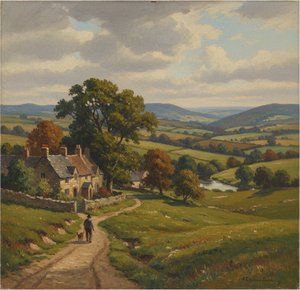
Explore the captivating landscapes & portraits of Brian Hatton (1887-1916), a promising British artist lost too soon. Discover his unique style, Herefordshire roots, and lasting legacy in early 20th-century art.

Explore the powerful social commentary & artistic representation of American Realism. Discover key artists like Bellows & Sloan, and understand the movement's lasting impact on 20th-century art history.
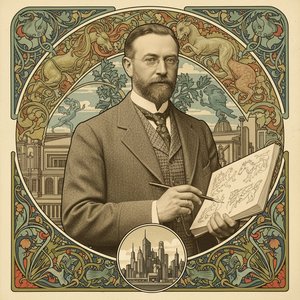
Explore the life & work of Sir Daniel Macnee, a leading Scottish portrait and landscape painter. Discover his artistic evolution, influences, and legacy in 19th-century British art. Learn more at Most-Famous-Paintings.

Explore the revolutionary artistic transformations of early 20th-century painting – Fauvism, Cubism & more. Discover key artists and movements shaping modern art history with Most-Famous-Paintings.


Maradjon naprakész a legfrissebb művészeti hírekkel, exkluzív ajánlatokkal és dekorációs ötletekkel.
Írja le nekünk projektjét, és művészeti szakértőink 3 személyre szabott műalkotási javaslatot készítenek Önnek.
Hagyjuk, hogy mi válogassunk ki Önnek 3 legjobb opciót – Ingyenesen!


 Megtekintés
 Küldés
 Megosztás
 Részletek

 Letöltés
 Hasonló darabok
 X-ray felvétel
 Diavetítés
 Összes részlet megjelenítése




































 Az üvegkeretes opció csak 110 cm alatti méretben érhető el


