x

Kézzel festett olajvastú vászon, az Ön által választott méretben és keretben, művészeink készítik meglévőre. ( Nyomat rendelése Kép letöltése)
Válasszon előre meghatározott méreteink közül, amelyek megfelelnek a műalkotás eredeti arányainak.

Ön megadhat saját méreteket egy adott kerethez vagy térhez igazításhoz. Ha a kiválasztott méret nem egyezik az eredeti kép arányával, akkor a műalkotást levágjuk, vagy további kézzel festett elemekkel meghosszabbítjuk a festményt. A gyártás megkezdése előtt küldünk Önnek egy digitális előnézetet jóváhagyásra.
Kérjük, vegye figyelembe, hogy a képernyőn megjelenő előnézet nem tükrözi a tényleges vágást vagy kiterjesztést. Csak az előnézet fog pontosan mutatni a végső kompozíciót.
Bár egyedi méretek állnak rendelkezésre, javasoljuk, hogy válasszon egy méretet az előre meghatározott listából az eredeti arányok megőrzése érdekében.
Világszerte elérhető szállítás () 3-4 hét alatt a szokásos 5 hét helyett. (13 augusztus). A minőség nem kérdőjelezhető.


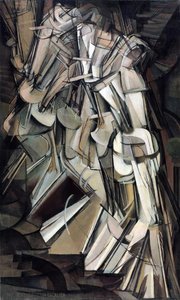
Torture-morte
Reprodukció mérete
Marcel Duchamp’s Torture-morte (1917) is not merely a photograph; it’s an unsettling meditation on mortality, decay, and the very definition of art itself. Captured by Man Ray, this stark black and white image depicts a human foot, meticulously arranged within a box, swarming with insects – primarily ants, but also beetles and other unidentified arthropods. The scene is brutally honest, devoid of romanticism or idealized beauty, presenting instead a visceral confrontation with the inevitability of decomposition. This seemingly simple composition immediately challenges the viewer’s expectations, forcing an uncomfortable engagement with themes of death, corruption, and the transient nature of existence.
Created during Duchamp's time within the Dada movement, Torture-morte embodies the group’s core tenets: a rejection of traditional artistic values and a deliberate provocation of societal norms. Dada artists sought to dismantle established hierarchies and expose the absurdity of bourgeois culture. Duchamp, along with Man Ray, embraced chance and accident as creative tools, often photographing seemingly random occurrences. This photograph exemplifies this approach; it’s not a carefully constructed still life intended to represent something beautiful or meaningful, but rather an accidental discovery transformed into a potent artistic statement. The image's genesis is shrouded in anecdote – Man Ray reportedly snapped the picture while attempting to capture a cockroach, and the foot was purportedly that of Duchamp himself. This element of chance adds another layer of complexity to the work’s meaning.
The technical execution is deceptively simple yet profoundly effective. Man Ray utilized a relatively primitive camera at the time, resulting in a sharp, almost clinical image that amplifies the horror of the scene. The stark contrast between the pale flesh of the foot and the dark shadows within the box creates a dramatic tension, drawing the viewer’s eye to the overwhelming presence of the insects. The composition itself is deliberately unsettling; the foot, presented in an unnatural state, becomes a symbol of vulnerability and decay. The arrangement of the insects – their deliberate clustering around the foot – suggests a relentless process of consumption, mirroring the destructive forces of time.
Beyond its Dadaist origins, Torture-morte resonates with deeper symbolic meanings. The foot, as a symbol of mortality and earthly existence, is subjected to the ravages of nature – represented by the insects. This imagery evokes a sense of anxiety and dread, confronting viewers with their own vulnerability and the ultimate fate of all living things. The title itself, “Torture-morte,” further intensifies this emotional impact, suggesting a prolonged and agonizing process of decay. The photograph’s power lies in its ability to bypass rational thought and tap into primal fears, making it a profoundly disturbing yet undeniably captivating work of art.
Most-Famous-Paintings offers a meticulously crafted hand-painted reproduction of Torture-morte, capturing every detail of Man Ray’s original photograph with exceptional fidelity. Utilizing archival quality materials and employing skilled artists who understand Duchamp's intent, this reproduction ensures that you possess an authentic representation of this iconic work. Perfect for collectors seeking a piece of Dadaist history or interior designers aiming to inject a dose of provocative beauty into their spaces, this reproduction is more than just an image; it’s an experience – a frozen moment of decay that continues to challenge and disturb us over a century later.


1887 - 1968 , Franciaország

Váltsa fotóját klasszikus műalkotássá! A Most-Famous-Paintings szakértői kézzel festett olajfestményekkel, egyedi portrékkal varázsolják át otthonát. Prémium minőség, garancia és személyre szabott alkotások – fedezze fel a lehetőségeket!

Fedezze fel a top 10 minimalista műalkotást! Mark Rothko, Agnes Martin és más ikonikus festők letisztult világát. Inspirálódjon modern képekkel, absztrakt vászonképekkel és hozzon létre nyugtató belső teret. Prémium minőségű reprodukciók a Most-Famous-Paintings.com-on!

Explore the revolutionary Dada art movement! Discover its origins, key artists like Duchamp & Arp, and lasting impact on modern art. A deep dive into anti-art & challenging conventions.

Fedezze fel a művészettörténet 10 legikonikusabb rézkarcát! Rembrandt, Goya és más mesterek munkáival gazdagítsa otthonát. Művészeti reprodukciók prémium minőségben – inspirációt és luxus dekorációt kínálunk. Nézze meg a teljes gyűjteményünket a Most-Famous-Paintings.com-on!

Fedezze fel 10 klasszikus műalkotást, melyek nyugalmat és békét árasztanak! Monet, Renoir és más festők remekművei inspirálják otthonát. Prémium art reprodukciók a Most-Famous-Paintings.com-on – válassza ki kedvenc hangulatos tájképeit vagy absztrakt műveit!


Maradjon naprakész a legfrissebb művészeti hírekkel, exkluzív ajánlatokkal és dekorációs ötletekkel.
Írja le nekünk projektjét, és művészeti szakértőink 3 személyre szabott műalkotási javaslatot készítenek Önnek.
Hagyjuk, hogy mi válogassunk ki Önnek 3 legjobb opciót – Ingyenesen!


 Küldés
 Megosztás
 Részletek

 Letöltés
 Hasonló darabok
 Diavetítés

 Összes részlet megjelenítése




































 Az üvegkeretes opció csak 110 cm alatti méretben érhető el