x

Kézzel festett olajvastú vászon, az Ön által választott méretben és keretben, művészeink készítik meglévőre. ( Nyomat rendelése Kép letöltése)





























Válasszon előre meghatározott méreteink közül, amelyek megfelelnek a műalkotás eredeti arányainak.

Ön megadhat saját méreteket egy adott kerethez vagy térhez igazításhoz. Ha a kiválasztott méret nem egyezik az eredeti kép arányával, akkor a műalkotást levágjuk, vagy további kézzel festett elemekkel meghosszabbítjuk a festményt. A gyártás megkezdése előtt küldünk Önnek egy digitális előnézetet jóváhagyásra.
Kérjük, vegye figyelembe, hogy a képernyőn megjelenő előnézet nem tükrözi a tényleges vágást vagy kiterjesztést. Csak az előnézet fog pontosan mutatni a végső kompozíciót.
Bár egyedi méretek állnak rendelkezésre, javasoljuk, hogy válasszon egy méretet az előre meghatározott listából az eredeti arányok megőrzése érdekében.
Világszerte elérhető szállítás () 3-4 hét alatt a szokásos 5 hét helyett. (16 augusztus). A minőség nem kérdőjelezhető.


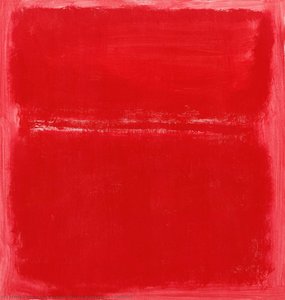
Untitled (10)
Reprodukció mérete
Mark Rothko’s “Yellow and Red,” painted in 1960, stands as a cornerstone of color field painting—a movement that revolutionized artistic expression in the mid-20th century. More than just pigment on canvas, this artwork embodies a profound exploration of human psychology and spiritual contemplation, inviting viewers to engage in an introspective dialogue with its luminous hues.
The Technique Employed: Rothko achieved his distinctive effect through a meticulous layering process—applying thin washes of color onto the canvas in multiple passes. This method ensured optimal diffusion and blending, resulting in an ethereal glow that distinguishes “Yellow and Red” from conventional painting styles. He famously described his technique as "painting with feeling," emphasizing the importance of conveying emotion rather than replicating visual reality.
“Yellow and Red” emerged during a period of significant artistic upheaval—the postwar era witnessed a rejection of Abstract Expressionism’s gestural dynamism in favor of calmer, more contemplative forms. Rothko's work aligned with the broader trend toward introspection and spiritual inquiry that characterized the time, reflecting anxieties about nuclear proliferation and existential uncertainty.
While Rothko himself resisted interpretations of his paintings as laden with symbolic significance, “Yellow and Red” undeniably evokes associations with warmth, vitality, and passion—represented by the yellow hue. Simultaneously, the red stripe symbolizes strength, courage, and perhaps even sacrifice—creating a dynamic interplay between opposing forces.
Rothko’s intention was not to depict anything specific but rather to offer viewers an opportunity for personal experience—a chance to confront their own emotions and contemplate fundamental questions about existence.Viewing “Yellow and Red” is akin to embarking on a meditative voyage into inner space. The painting’s luminous colors induce a state of receptivity, inviting contemplation and fostering a sense of serenity. Its ambiguous forms encourage viewers to project their own interpretations onto the canvas—creating a uniquely individualized encounter with art.

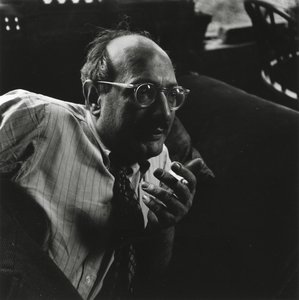
1903 - 1970 , Lettország

Explore the profound emotional depth of Color Field painting. Discover the history of mid-century abstraction, from Rothko to Newman, and learn how pure color transforms the viewer's experience through our expert art history guide.

Explore the profound history and emotional depth of Color Field painting. From Mark Rothko to Barnett Newman, discover how pure color redefined modern art through our expert-led guide for students and collectors alike.
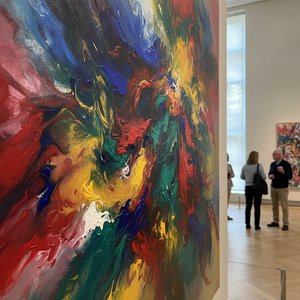
Explore the profound emotional depth of Lyrical Abstraction. Discover how masters like Raymond Parker used color and form to bridge Impressionism and Abstract Expressionism. Learn about this pivotal movement through our expert-led art history guide.


Maradjon naprakész a legfrissebb művészeti hírekkel, exkluzív ajánlatokkal és dekorációs ötletekkel.
Írja le nekünk projektjét, és művészeti szakértőink 3 személyre szabott műalkotási javaslatot készítenek Önnek.
Hagyjuk, hogy mi válogassunk ki Önnek 3 legjobb opciót – Ingyenesen!


 Megtekintés
 Küldés
 Megosztás
 Részletek

 Letöltés
 Hasonló darabok
 X-ray felvétel
 Diavetítés
 Összes részlet megjelenítése







 Az üvegkeretes opció csak 110 cm alatti méretben érhető el