x
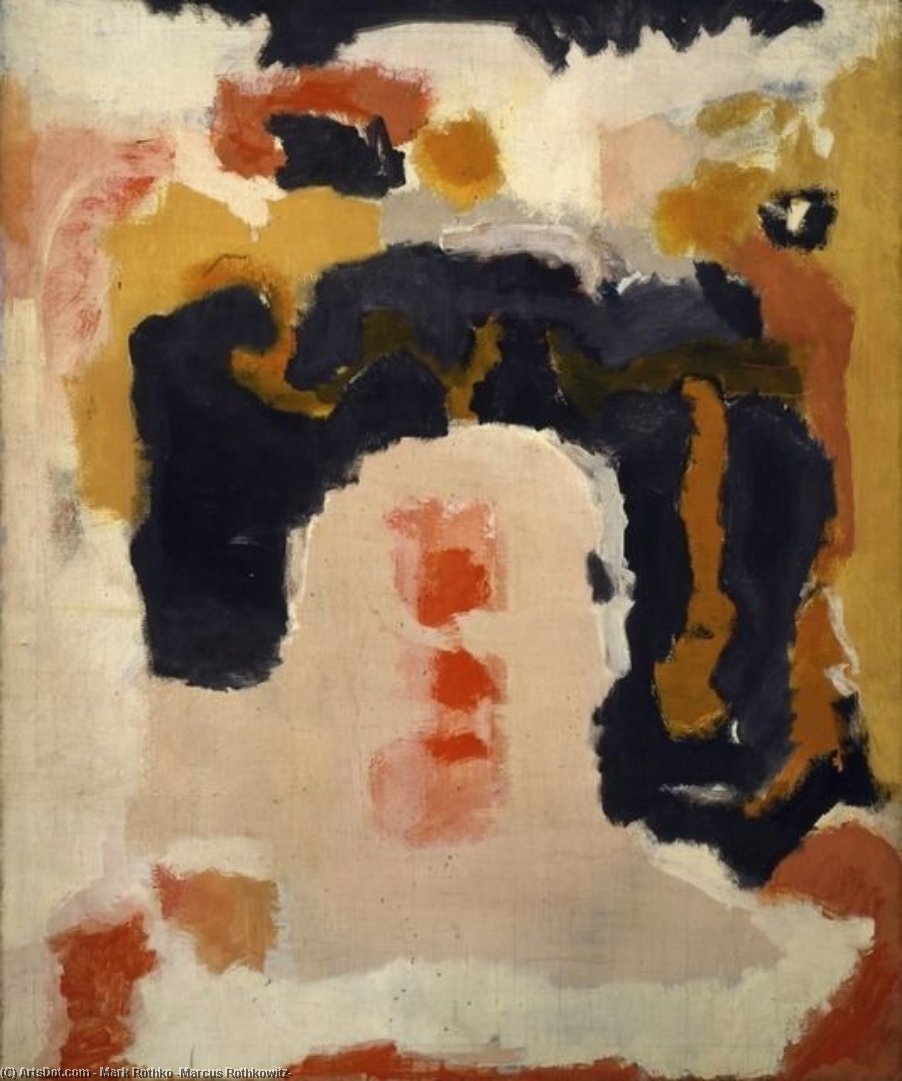
Múzeumi minőségű giclée vagy vászonnyomat, gyors gyártással és rugalmas finomítási lehetőségekkel. ( Kézzel festett másolat rendelése Kép letöltése)





























Válasszon előre meghatározott méreteink közül, amelyek megfelelnek a műalkotás eredeti arányainak.

Megadhat saját méreteket is egy konkrét kerethez vagy helyszínhez igazítva. Amennyiben a kiválasztott méret nem egyezik az eredeti kép arányokkal, a műalkotást le fogjuk vágni, vagy kiegészítjük a képet tükrözött vagy egyszínű szélekkel. A gyártás megkezdése előtt egy digitális tervezetet küldünk jóváhagyásra.
Kérjük, vegye figyelembe, hogy a képernyőn látható előnézet nem tükrözi a tényleges levágást vagy kiegészítést. Csak a tervezet mutatja pontosan a végső kompozíciót.
Bár az egyedi méretek is elérhetőek, az eredeti arányok megőrzése érdekében azt javasoljuk, hogy válasszon a előre meghatározott listából származó méretet.
Világszerte történő kiszállítás területére mindössze 2 hét alatt, a szokásos 4-5 hét helyett. (16 augusztus)


Untitled 21
Reprodukció mérete
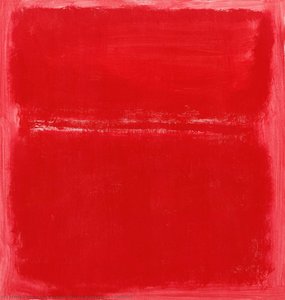
Mark Rothko’s paintings stand as monuments to profound sorrow—a testament to the artist's own personal struggles and an enduring reflection of the human condition. Born Markus Yakovlevich Rothkowitz in Dvinsk, Latvia, in 1903, he navigated a childhood steeped in displacement and loss, experiences that would irrevocably inform his artistic vision.
Early Life and Artistic Roots: Rothko’s formative years were marked by the anxieties of a Jewish family residing within the Pale of Settlement. Pogroms and political instability instilled a deep empathy for suffering—a sensitivity that would become central to his artistic exploration. The 1913 emigration to Portland, Oregon, represented not merely a geographical relocation but a cultural collision for the young Rothko, shaping him as he embraced new ideas and perspectives.
The Rise of Color Field Painting: Rothko emerged as a pivotal figure in the burgeoning Color Field movement of the 1940s and 50s. Rejecting traditional representational art, he championed an approach that prioritized pure color—vast expanses of pigment applied to canvas without discernible imagery. This stylistic choice wasn’t arbitrary; it was deliberately conceived as a vehicle for conveying emotion directly, bypassing intellectual mediation.
Symbolism of Grief and Transcendence: Rothko’s canvases are imbued with potent symbolism. The muted hues—primarily reds, yellows, and blues—are not intended to depict specific objects or scenes but rather to evoke feelings of grief, vulnerability, and spiritual yearning. Critics have interpreted the overlapping rectangles as representing the merging of individual consciousnesses into a unified whole—a visual metaphor for confronting mortality and achieving transcendence.
Emotional Resonance: Viewing Rothko’s paintings is an experience akin to entering a meditative space. The sheer scale of the canvases compels contemplation, inviting viewers to immerse themselves in the artist's emotional landscape. Rather than offering answers or judgments, Rothko’s work prompts introspection—encouraging us to confront our own anxieties about existence and to appreciate the beauty inherent in confronting difficult truths.
Legacy: Rothko’s influence extends far beyond the Color Field movement, shaping generations of artists who followed him. His unwavering commitment to exploring profound emotional themes continues to inspire creativity and provoke dialogue—solidifying his place as one of the most significant figures in 20th-century art.
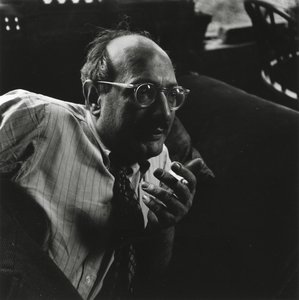
1903 - 1970 , Lettország

Explore the profound emotional depth of Color Field painting. Discover the history of mid-century abstraction, from Rothko to Newman, and learn how pure color transforms the viewer's experience through our expert art history guide.

Explore the profound emotional depth of Color Field painting. Our expert guide delves into the post-war origins of Abstract Expressionism, analyzing masterpieces by Rothko and Newman. Discover museum-grade, hand-painted oil reproductions that bring art history to your walls.

Explore the profound history and emotional depth of Color Field painting. From Mark Rothko to Barnett Newman, discover how pure color redefined modern art through our expert-led guide for students and collectors alike.

Explore the profound history and emotional depth of Abstract Expressionism. From Jackson Pollock to Mark Rothko, master the nuances of the New York School through our expert art history guide. Discover museum-quality hand-painted reproductions for your collection.
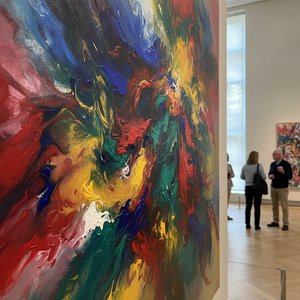
Explore the profound emotional depth of Lyrical Abstraction. Discover how masters like Raymond Parker used color and form to bridge Impressionism and Abstract Expressionism. Learn about this pivotal movement through our expert-led art history guide.


Maradjon naprakész a legfrissebb művészeti hírekkel, exkluzív ajánlatokkal és dekorációs ötletekkel.
Írja le nekünk projektjét, és művészeti szakértőink 3 személyre szabott műalkotási javaslatot készítenek Önnek.
Hagyjuk, hogy mi válogassunk ki Önnek 3 legjobb opciót – Ingyenesen!


 Megtekintés
 Küldés
 Megosztás
 Részletek

 Letöltés
 Hasonló darabok
 X-ray felvétel
 Diavetítés

 Összes részlet megjelenítése







 Az üvegkeretes opció csak 110 cm alatti méretben érhető el