x


Múzeumi minőségű giclée vagy vászonnyomat, gyors gyártással és rugalmas finomítási lehetőségekkel. ( Switch to hand made Painting Switch to Image)





























Válasszon előre meghatározott méreteink közül, amelyek megfelelnek a műalkotás eredeti arányainak.

Megadhat saját méreteket is egy konkrét kerethez vagy helyszínhez igazítva. Amennyiben a kiválasztott méret nem egyezik az eredeti kép arányokkal, a műalkotást le fogjuk vágni, vagy kiegészítjük a képet tükrözött vagy egyszínű szélekkel. A gyártás megkezdése előtt egy digitális tervezetet küldünk jóváhagyásra.
Kérjük, vegye figyelembe, hogy a képernyőn látható előnézet nem tükrözi a tényleges levágást vagy kiegészítést. Csak a tervezet mutatja pontosan a végső kompozíciót.
Bár az egyedi méretek is elérhetőek, az eredeti arányok megőrzése érdekében azt javasoljuk, hogy válasszon a előre meghatározott listából származó méretet.
Világszerte történő kiszállítás területére 2 hét alatt, a szokásos 4-5 hét helyett. 30 július


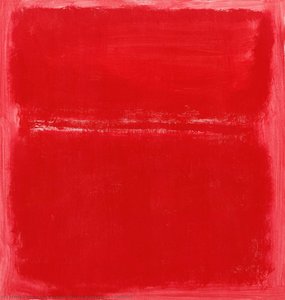
Untitled 76
A reprodukció mérete
Mark Rothko (1903 – 1970), born Markus Yakovlevich Rothkowitz in Dvinsk, Latvia, stands as one of the most influential figures in Abstract Expressionism. His artistic life began amidst considerable hardship—the anxieties surrounding his family’s Jewish heritage within the Pale of Settlement and the trauma of losing his father during immigration to Portland, Oregon—experiences that instilled a profound empathy for human suffering and shaped his unwavering commitment to exploring existential questions.
His signature style involved layering rectangles of saturated hues – predominantly crimson, orange, yellow, and blue – onto canvases of monumental scale. These blocks of color weren’t merely decorative; they were meticulously crafted to evoke profound emotional responses in the viewer. Rothko believed that color itself possessed inherent expressive power, capable of conveying feelings without resorting to explicit depiction.
The symbolism embedded within Rothko’s paintings is deliberately ambiguous. Critics have interpreted his works as meditations on spirituality, grief, and the sublime—representations of inner landscapes rather than external realities. The rectangles themselves can be seen as symbols of containment and illumination, encapsulating vastness while simultaneously radiating warmth and serenity. Ultimately, Rothko sought to create art that resonated with viewers on a visceral level, prompting contemplation and fostering a connection to something beyond oneself.
“Color is my passion,” Rothko declared repeatedly throughout his career. “It’s the most direct route to the human soul.” His legacy continues to inspire artists and collectors alike—a testament to the enduring power of art to communicate emotion, provoke thought, and illuminate the mysteries of existence.
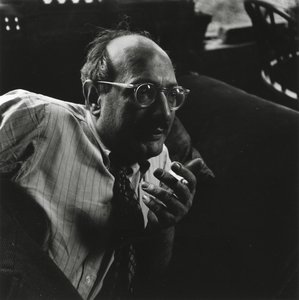
1903 - 1970 , Lettország

Explore the captivating world of Color Field painting! Discover its origins, key artists like Rothko & Newman, philosophical depth, and lasting influence on modern art. Expert insights for collectors.

Explore the profound emotional depth of Mark Rothko's abstract expressionism. Discover the history, techniques & lasting impact of this pivotal Color Field painter. Expert insights for collectors and art enthusiasts.

Explore the vibrant world of Gene Davis and the Washington Color School. Discover his iconic stripe paintings, innovative techniques, and lasting impact on American abstract art. A deep dive for collectors & enthusiasts.

Explore the groundbreaking abstract expressionism of Morris Louis, a pioneer of Color Field painting. Discover his innovative techniques, influential series & lasting legacy in post-war American art. Learn more at Most-Famous-Paintings.

Explore the profound world of Color Field painting with Most-Famous-Paintings. Discover key artists like Rothko & Newman, its philosophical roots, and lasting impact on modern art. Expert insights for collectors.


Maradjon naprakész a legfrissebb művészeti hírekkel, exkluzív ajánlatokkal és dekorációs ötletekkel.
Írja le nekünk projektjét, és művészeti szakértőink 3 személyre szabott műalkotási javaslatot készítenek Önnek.
Hagyjuk, hogy mi válogassunk ki Önnek 3 legjobb opciót – Ingyenesen!


 Preview
 Megosztás
 Megosztás
 Részletek

 Letöltés
 Hasonló alkotások
 X-ray felvétel
 Diavetítés
 Tovább olvasom







 Az üvegkeretes opció csak 110 cm alatti méretben érhető el