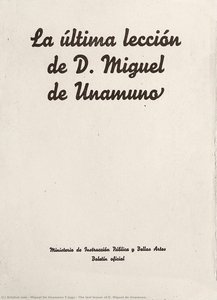
A művész életrajza
A Life Forged in Basque Soil: The Existential Journey of Miguel de Unamuno
Miguel de Unamuno y Jugo, born in the vibrant port city of Bilbao, Spain, on September 29, 1864, was destined to become a profound and often turbulent figure in Spanish intellectual history. His early life, shadowed by the sudden loss of his father when he was just six years old, instilled within him a lifelong preoccupation with mortality – a theme that would relentlessly inform his philosophical inquiries and artistic expressions. From a young age, Unamuno demonstrated an exceptional intellect, nurtured at the Vizcaino Institute in Bilbao and later honed at the University of Madrid, where he earned a doctorate in philosophy and letters in 1883. His initial fascination lay with Basque language and culture, even leading him to compete for a teaching position against the renowned Sabino Arana – a contest ultimately won by Arana, yet one that solidified Unamuno’s commitment to rigorous intellectual pursuit. It was philosophy, however, that truly captured his imagination, setting in motion a career dedicated to grappling with the most fundamental questions of faith, reason, and the human condition.
Between Academia and Activism: A Restless Spirit
Unamuno's academic journey led him to the University of Salamanca in 1897, where he began teaching Greek – a subject he approached with characteristic passion and intensity. He quickly ascended through the ranks, ultimately becoming Rector of the university in 1901 – a position he held for over a decade, though one marked by constant friction with political regimes and societal norms. Unamuno was never one to shy away from expressing his opinions, often challenging established authority and advocating for progressive ideals. His staunch support for the Allied cause during World War I resulted in his dismissal from the university and subsequent exile under the dictatorship of Miguel Primo de Rivera in 1924. This period of enforced absence saw him seeking refuge in France, a testament to his resilience and unwavering commitment to his principles. Following the fall of Primo de Rivera’s regime, Unamuno returned to Salamanca, only to be re-elected Rector in 1931 – an honor that quickly turned sour when he denounced Falangists during the Spanish Civil War, leading to his removal from office and subsequent placement under house arrest. His untimely death on December 31, 1936, shortly after this final indignity, underscored the tragic intersection of intellectual conviction and political turmoil in Spain at the time.
The Agony of Existence: Literary and Philosophical Explorations
Unamuno’s legacy rests upon a remarkably diverse body of work that defies easy categorization. He masterfully navigated multiple genres – essays, novels, poetry, and theater – often blurring the boundaries between them. His most influential writings include *The Tragic Sense of Life* (1912), a profound philosophical essay exploring the inherent conflict between faith and reason, and his novels *Abel Sánchez: The History of a Passion* (1917) and *Mist* (1914). Central to Unamuno’s philosophy was the concept of “agony” – a persistent state of anguish stemming from humanity's desperate yearning for immortality and the inescapable realization that such fulfillment remains perpetually out of reach. He argued that this inherent tension, between our desire for permanence and the inevitability of death, is the very essence of human existence. Unamuno’s novella *San Manuel Bueno, mártir* (1918) stands as a particularly poignant exploration of faith, doubt, and deception, revealing his complex relationship with religion and the human capacity for self-deception – a theme that resonates throughout much of his work. His writing style is characterized by its passionate intensity, lyrical prose, and relentless questioning – a reflection of his own internal struggles and profound engagement with life’s most challenging questions.
A Bridge Between Eras: Influences and Enduring Significance
While Unamuno's work doesn't neatly align with any single school of thought, it undeniably anticipated many themes later explored in existentialism. He engaged deeply with ideas from positivism and socialism, yet ultimately forged his own unique path, characterized by a profound sense of individualism and a rejection of simplistic ideological frameworks. He is often associated with the Generation of '98 – a group of Spanish intellectuals responding to Spain’s crisis of identity at the turn of the century – though his relationship with this movement was complex and nuanced. Unamuno's writings had a significant impact on Spanish literature and philosophy, challenging traditional beliefs and prompting fundamental questions about human existence. He shared a cultural landscape with figures like Pablo Picasso, reflecting the broader artistic and intellectual ferment of his time. His legacy continues to inspire writers and thinkers today, particularly those interested in existentialism, Spanish literature, and the enduring complexities of faith and reason – a testament to the timeless relevance of his work.
A Final Silence: Death and Remembrance
Miguel de Unamuno died on December 31, 1936, in Salamanca, Spain, shortly after being removed from his position as Rector and placed under house arrest. The cause was a heart attack, but the circumstances surrounding his death were inextricably linked to the turmoil of the Spanish Civil War – a conflict that profoundly affected him and his views on Spain’s future. His life and work are commemorated at the University of Salamanca, where a dedicated museum preserves his library, manuscripts, and artifacts for generations to come. Unamuno remains a towering figure in Spanish intellectual history – a restless spirit who dared to confront the fundamental questions of existence with unwavering honesty and passionate intensity.



 Kézzel festett másolat rendelése






 Megtekintés
 Küldés
 Megosztás
 Részletek

 Letöltés
 Hasonló darabok
 X-ray felvétel
 Diavetítés
 Összes részlet megjelenítése




































 Az üvegkeretes opció csak 110 cm alatti méretben érhető el