


x

Múzeumi minőségű giclée vagy vászonnyomat, gyors gyártással és rugalmas finomítási lehetőségekkel. ( Kézzel festett másolat rendelése Kép letöltése)





























Válasszon előre meghatározott méreteink közül, amelyek megfelelnek a műalkotás eredeti arányainak.

Megadhat saját méreteket is egy konkrét kerethez vagy helyszínhez igazítva. Amennyiben a kiválasztott méret nem egyezik az eredeti kép arányokkal, a műalkotást le fogjuk vágni, vagy kiegészítjük a képet tükrözött vagy egyszínű szélekkel. A gyártás megkezdése előtt egy digitális tervezetet küldünk jóváhagyásra.
Kérjük, vegye figyelembe, hogy a képernyőn látható előnézet nem tükrözi a tényleges levágást vagy kiegészítést. Csak a tervezet mutatja pontosan a végső kompozíciót.
Bár az egyedi méretek is elérhetőek, az eredeti arányok megőrzése érdekében azt javasoljuk, hogy válasszon a előre meghatározott listából származó méretet.
Világszerte történő kiszállítás területére mindössze 2 hét alatt, a szokásos 4-5 hét helyett. (18 augusztus)


Dragging portage
Reprodukció mérete
“Dragging Portage,” painted in 1915 by the visionary artist Nicholas Roerich, is more than just a depiction of figures navigating a river; it's a profound meditation on human endeavor, connection to nature, and the enduring spirit of exploration. The painting immediately draws the eye with its vibrant portrayal of individuals engaged in what appears to be a laborious task – “dragging a portage,” a term referring to carrying supplies across waterways – amidst a breathtaking mountainous landscape. This scene, rendered in Roerich’s signature Art Nouveau style, showcases his meticulous attention to detail and his ability to imbue even the most mundane activity with an aura of significance.
Roerich's artistic journey was deeply influenced by the tenets of Art Nouveau, a movement characterized by its flowing lines, organic forms, and emphasis on beauty found in nature. In “Dragging Portage,” this influence is evident in the graceful curves of the boats, the undulating flow of the water, and the stylized representation of the figures themselves. The artist masterfully employs a technique of layered glazing, building up color gradually to achieve a luminous effect – a hallmark of Roerich’s work. This layering creates a remarkable sense of depth and atmosphere, capturing not just the visual appearance but also the feeling of being present within this serene landscape.
Beyond its aesthetic beauty, “Dragging Portage” is rich in symbolic meaning. The act of carrying supplies across the river represents a fundamental human struggle – the effort required to overcome obstacles and achieve one’s goals. The mountainous backdrop symbolizes challenges and aspirations, while the water itself can be interpreted as representing the flow of time and the constant movement of life. Roerich was deeply interested in esoteric philosophies and spiritual symbolism, and this is subtly reflected in the painting's composition and mood. The figures, though seemingly simple, embody resilience, determination, and a connection to something larger than themselves.
Created in 1915, during a period of immense global upheaval – the onset of World War I – “Dragging Portage” offers a poignant counterpoint to the chaos and destruction. It represents a return to fundamental human values: cooperation, perseverance, and respect for the natural world. Roerich’s work was deeply rooted in his belief that art should serve as a bridge between cultures and promote peace. His exploration of themes related to mythology, spirituality, and the interconnectedness of humanity continues to resonate with viewers today. This painting stands as a testament to Roerich's enduring vision – a vision that celebrates both the beauty of the natural world and the indomitable spirit of humankind.


1874 - 1947 , Oroszország
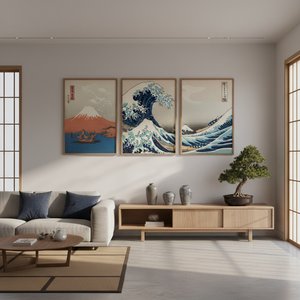
Fedezze fel Katsushika Hokusai 25 legikonikusabb műalkotását! Merüljön el a japán ukiyo-e világában, ismerje meg a 'Nagy Hullám' történetét és más remekműveket. Museum minőségű reprodukciók otthonába – Most-Famous-Paintings.com.
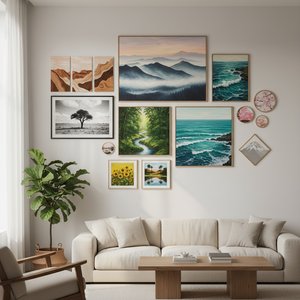
Fedezze fel a 10 legikonikusabb tájkép festményt! Monet, Van Gogh és más mesterek művei inspirálnak. Művészeti reprodukciók magas minőségben – tökéletes dekoráció otthonába. Böngésszen Most-Famous-Paintings.com-on!

Explore the captivating art of Nicholas Roerich – a visionary painter whose Himalayan landscapes blend spiritual mysticism with cultural preservation. Discover his legacy & symbolism.

Fedezze fel a romantikus tájképfestészet 10 legikonikusabb műalkotását! Caspar David Friedrich, J.M.W. Turner és más mesterek festményeinek története – inspiráló olajfestmények otthonába. Most-Famous-Paintings.com: múzeumi minőségű reprodukciók és egyedi dekorációk online.

Explore the world of giclée prints with Most-Famous-Paintings. Learn about archival quality, aesthetic nuances & investment potential. Expert guidance for discerning art collectors seeking museum-quality reproductions and lasting value.


Maradjon naprakész a legfrissebb művészeti hírekkel, exkluzív ajánlatokkal és dekorációs ötletekkel.
Írja le nekünk projektjét, és művészeti szakértőink 3 személyre szabott műalkotási javaslatot készítenek Önnek.
Hagyjuk, hogy mi válogassunk ki Önnek 3 legjobb opciót – Ingyenesen!


 Megtekintés
 Küldés
 Megosztás
 Részletek

 Letöltés
 Hasonló darabok
 X-ray felvétel
 Diavetítés

 Összes részlet megjelenítése







 Az üvegkeretes opció csak 110 cm alatti méretben érhető el


