x

 Olajfestmény vászononFalfeliratok és faldekorációPaul Cézanne's 'Forest' is considered a pivotal wo
 189019. század
 72.0 x 92.0 cm
Kézzel festett olajvastú vászon, az Ön által választott méretben és keretben, művészeink készítik meglévőre. ( Nyomat rendelése Kép letöltése)





























Válasszon előre meghatározott méreteink közül, amelyek megfelelnek a műalkotás eredeti arányainak.

Ön megadhat saját méreteket egy adott kerethez vagy térhez igazításhoz. Ha a kiválasztott méret nem egyezik az eredeti kép arányával, akkor a műalkotást levágjuk, vagy további kézzel festett elemekkel meghosszabbítjuk a festményt. A gyártás megkezdése előtt küldünk Önnek egy digitális előnézetet jóváhagyásra.
Kérjük, vegye figyelembe, hogy a képernyőn megjelenő előnézet nem tükrözi a tényleges vágást vagy kiterjesztést. Csak az előnézet fog pontosan mutatni a végső kompozíciót.
Bár egyedi méretek állnak rendelkezésre, javasoljuk, hogy válasszon egy méretet az előre meghatározott listából az eredeti arányok megőrzése érdekében.
Világszerte elérhető szállítás () 3-4 hét alatt a szokásos 5 hét helyett. (15 augusztus). A minőség nem kérdőjelezhető.


Erdély
Reprodukció mérete
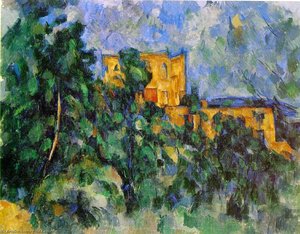
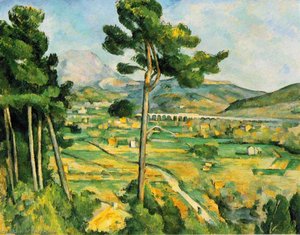
Paul Cézanne's "Forest," painted in 1890, isn’t merely a depiction of trees and figures; it’s a profound exploration of perception and the very essence of seeing. This oil-on-canvas masterpiece, measuring 72 x 92 cm, stands as a pivotal work in Cézanne's trajectory – a crucial step away from the fleeting impressions of Impressionism towards the structured geometries that would define his legacy and ultimately pave the way for Cubism. The painting invites us into a serene, almost meditative space, where nature isn’t simply observed but actively constructed by the artist’s eye.
Cézanne's Post-Impressionist style is immediately apparent in “Forest.” He deliberately departs from the Impressionists’ focus on capturing the ephemeral effects of light and color. Instead, he meticulously builds his composition using geometric forms – triangles, rectangles, and cylinders – to represent the underlying structure of objects. The trees aren’t rendered as they appear to the eye at a single moment; they are broken down into their fundamental shapes, then reassembled on the canvas with a deliberate sense of order. This approach wasn't about photographic accuracy but rather about conveying Cézanne’s subjective experience of the scene – his understanding of how things *exist* in space.
The painting features two figures nestled amongst the trees, seemingly enjoying a quiet moment outdoors. Their presence isn’t central to the composition; they are integrated seamlessly into the landscape, almost as if they were part of the forest itself. This subtle inclusion highlights Cézanne's interest in dissolving the boundaries between subject and environment. The use of color is equally deliberate. He employs a restrained palette of greens, blues, and browns, layering them with thick brushstrokes to create a sense of depth and volume. Notice how he uses variations in tone – lighter shades for distant trees and darker hues for those closer to the viewer – to suggest atmospheric perspective. The dappled light filtering through the canopy is particularly masterful, creating an illusion of movement and vitality.
“Forest” emerged during a period of significant artistic ferment in France. Post-Impressionism was reacting against the limitations of Impressionism, seeking to express deeper emotions and ideas. Cézanne, along with artists like Van Gogh and Gauguin, were exploring new ways to represent reality – not through fleeting impressions but through carefully constructed forms and symbolic color. Cézanne’s work can be seen as a bridge between these movements; he retained some of the Impressionists' interest in color while adopting a more structured and analytical approach.
The historical context is crucial to understanding Cézanne’s motivations. He was deeply interested in architecture, particularly the solidity and permanence of buildings. This fascination with structure informed his approach to landscape painting, leading him to seek ways to translate the geometric principles of architectural design into the natural world. He famously said, “I do not paint what I see, but what I feel.” This sentiment encapsulates his artistic philosophy – a desire to capture not just the appearance of things but their underlying essence.
Cézanne’s influence on subsequent art movements is undeniable. His innovative approach to form and color paved the way for Cubism, which sought to break down objects into geometric fragments – a direct response to Cézanne's deconstruction of natural forms. Artists like Picasso and Braque were profoundly influenced by his work, adopting his techniques of multiple viewpoints and fragmented representation. Beyond Cubism, Cézanne’s emphasis on structure and form had a lasting impact on 20th-century art in general.
Today, “Forest” continues to captivate viewers with its serene atmosphere and masterful technique. It's a testament to Cézanne’s artistic genius – a painting that not only depicts a forest but also invites us to contemplate the nature of perception itself. Most-Famous-Paintings offers meticulously crafted reproductions of this iconic work, allowing you to bring this masterpiece into your own home and experience its beauty firsthand.
Resources:


1839 - 1906 , Franciaország

Explore the profound history of landscape masterpieces. From the Barbizon School to Monet's Impressionism, discover how timeless natural scenes bring serenity and prestige to your collection through museum-quality, hand-painted oil reproductions.


Maradjon naprakész a legfrissebb művészeti hírekkel, exkluzív ajánlatokkal és dekorációs ötletekkel.
Írja le nekünk projektjét, és művészeti szakértőink 3 személyre szabott műalkotási javaslatot készítenek Önnek.
Hagyjuk, hogy mi válogassunk ki Önnek 3 legjobb opciót – Ingyenesen!


 Megtekintés
 Küldés
 Megosztás
 Részletek

 Letöltés
 Hasonló darabok
 X-ray felvétel
 Diavetítés
 Összes részlet megjelenítése







 Az üvegkeretes opció csak 110 cm alatti méretben érhető el