x

Kézzel festett olajvastú vászon, az Ön által választott méretben és keretben, művészeink készítik meglévőre. ( Nyomat rendelése Kép letöltése)





























Válasszon előre meghatározott méreteink közül, amelyek megfelelnek a műalkotás eredeti arányainak.

Ön megadhat saját méreteket egy adott kerethez vagy térhez igazításhoz. Ha a kiválasztott méret nem egyezik az eredeti kép arányával, akkor a műalkotást levágjuk, vagy további kézzel festett elemekkel meghosszabbítjuk a festményt. A gyártás megkezdése előtt küldünk Önnek egy digitális előnézetet jóváhagyásra.
Kérjük, vegye figyelembe, hogy a képernyőn megjelenő előnézet nem tükrözi a tényleges vágást vagy kiterjesztést. Csak az előnézet fog pontosan mutatni a végső kompozíciót.
Bár egyedi méretek állnak rendelkezésre, javasoljuk, hogy válasszon egy méretet az előre meghatározott listából az eredeti arányok megőrzése érdekében.
Világszerte elérhető szállítás () 3-4 hét alatt a szokásos 5 hét helyett. (17 augusztus). A minőség nem kérdőjelezhető.


Trees
Reprodukció mérete
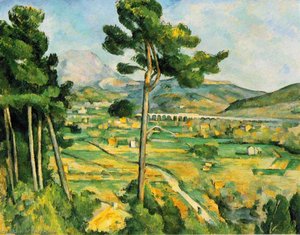
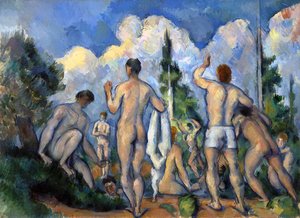
Paul Cézanne's "Trees," painted in 1884, transcends mere depiction; it embodies a revolutionary vision that fundamentally reshaped the landscape of modern art. Initially dismissed by critics as amateurish and lacking artistic merit, this deceptively simple composition—a field strewn with trees against a hazy backdrop of a modest house—became Cézanne’s cornerstone work, establishing his distinctive approach to capturing the essence of nature.
Painted during Cézanne’s formative years in Aix-en-Provence, “Trees” reflects his growing dissatisfaction with Impressionism's preoccupation with capturing atmospheric effects. Influenced by Japanese prints—particularly those depicting landscapes—Cézanne sought to distill nature into its fundamental geometric components, mirroring the aesthetic principles of Japonisme.
His rejection of conventional artistic conventions wasn’t driven by cynicism but by a profound conviction that art should strive for intellectual rigor and emotional resonance. Cézanne believed that artists had a responsibility to represent reality accurately, albeit in a way that transcends mere visual representation—a sentiment echoed in his lifelong dedication to exploring the complexities of perception.
"Trees," like many of Cézanne’s works, operates on multiple levels. The solitary trees symbolize resilience and permanence amidst the transient beauty of the natural world. Their stark forms convey a sense of quiet contemplation and introspection—inviting viewers to contemplate the profound connection between humanity and nature.
More importantly, Cézanne's painting represents a pivotal moment in artistic history: it signaled the decisive break from Impressionism’s optical idealism toward a more conceptual approach. It paved the way for subsequent movements like Cubism and Expressionism, establishing Cézanne as one of the most influential artists of the late 19th century.
Today, “Trees” continues to captivate audiences with its understated elegance and masterful execution. Its enduring appeal lies in its ability to communicate a powerful emotional truth—a celebration of beauty found not in fleeting impressions but in the unwavering solidity of form and color. Reproductions of this iconic artwork offer an opportunity to experience Cézanne’s visionary aesthetic firsthand, bringing his profound understanding of nature into any interior space.


1839 - 1906 , Franciaország

Explore the profound evolution of Post-Impressionist landscapes. From Van Gogh's emotional brushwork to Cézanne's structural mastery, discover how these visionaries redefined art history through color and form in this expert guide for fine art enthusiasts.


Maradjon naprakész a legfrissebb művészeti hírekkel, exkluzív ajánlatokkal és dekorációs ötletekkel.
Írja le nekünk projektjét, és művészeti szakértőink 3 személyre szabott műalkotási javaslatot készítenek Önnek.
Hagyjuk, hogy mi válogassunk ki Önnek 3 legjobb opciót – Ingyenesen!


 Megtekintés
 Küldés
 Megosztás
 Részletek

 Letöltés
 Hasonló darabok
 X-ray felvétel
 Diavetítés

 Összes részlet megjelenítése







 Az üvegkeretes opció csak 110 cm alatti méretben érhető el