x

Kézzel festett olajvastú vászon, az Ön által választott méretben és keretben, művészeink készítik meglévőre. ( Nyomat rendelése Kép letöltése)





























Válasszon előre meghatározott méreteink közül, amelyek megfelelnek a műalkotás eredeti arányainak.

Ön megadhat saját méreteket egy adott kerethez vagy térhez igazításhoz. Ha a kiválasztott méret nem egyezik az eredeti kép arányával, akkor a műalkotást levágjuk, vagy további kézzel festett elemekkel meghosszabbítjuk a festményt. A gyártás megkezdése előtt küldünk Önnek egy digitális előnézetet jóváhagyásra.
Kérjük, vegye figyelembe, hogy a képernyőn megjelenő előnézet nem tükrözi a tényleges vágást vagy kiterjesztést. Csak az előnézet fog pontosan mutatni a végső kompozíciót.
Bár egyedi méretek állnak rendelkezésre, javasoljuk, hogy válasszon egy méretet az előre meghatározott listából az eredeti arányok megőrzése érdekében.
Világszerte elérhető szállítás () 3-4 hét alatt a szokásos 5 hét helyett. (20 augusztus). A minőség nem kérdőjelezhető.


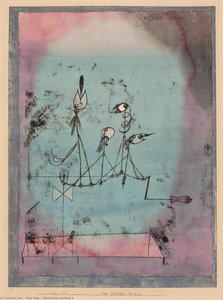
Everything runs after something
Reprodukció mérete
Paul Klee's “Everything Runs After Something” isn’t merely a drawing; it’s a distilled essence of artistic impulse, a visual meditation on the elusive origins of creativity itself. Executed in stark monochrome—primarily shades of gray—the artwork embodies Klee’s signature style: naive art, or primitive art – a deliberate rejection of academic conventions favoring simplicity, distortion, and an intuitive engagement with form.
Born in Münchenbuchsee, Switzerland, in 1879, Paul Klee’s artistic trajectory was profoundly shaped by his upbringing amidst musical influences. His father, a music teacher, instilled in him an acute sensitivity to harmonic relationships—a connection that would permeate his visual vocabulary. This early exposure to music informed Klee's compositional approach and underpinned his belief that art could communicate emotion akin to musical arrangement.
Klee’s artistic journey was marked by experimentation with diverse mediums, including watercolor, gouache, lithography, and collage—a testament to his unwavering pursuit of innovation. He embraced the Bauhaus aesthetic, collaborating with Josef Albers and László Moholy-Nagy on groundbreaking projects that explored the interplay between color and form.
“Everything Runs After Something” speaks to a deeper philosophical concern: the notion that creativity originates from forces beyond conscious awareness. As Klee himself articulated, “My hand has become the obedient instrument of a remote will.” This statement encapsulates the artist’s conviction that artistic expression transcends rational thought—tapping into an unconscious reservoir of inspiration.
The artwork's subdued palette and simplified forms evoke feelings of melancholy and introspection. It invites viewers to contemplate the mysteries of existence, mirroring Klee’s own lifelong quest for spiritual understanding. Zentrum Paul Klee in Bern houses the world’s largest collection of Klee’s artworks—a pilgrimage for anyone interested in experiencing the profound beauty of this singular artistic vision.

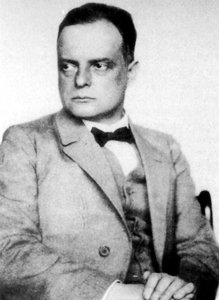
1879 - 1940 , Svájc

Explore the profound artistry of black and white photography. From the chemistry of gelatin silver to the chiaroscuro of the Old Masters, discover how monochrome captures the eternal essence of light, form, and emotion for the discerning art collector.


Maradjon naprakész a legfrissebb művészeti hírekkel, exkluzív ajánlatokkal és dekorációs ötletekkel.
Írja le nekünk projektjét, és művészeti szakértőink 3 személyre szabott műalkotási javaslatot készítenek Önnek.
Hagyjuk, hogy mi válogassunk ki Önnek 3 legjobb opciót – Ingyenesen!


 Megtekintés
 Küldés
 Megosztás
 Részletek

 Letöltés
 Hasonló darabok
 X-ray felvétel
 Diavetítés
 Összes részlet megjelenítése







 Az üvegkeretes opció csak 110 cm alatti méretben érhető el