x

 Oil On CanvasWallArtImpressionism
 1868
1868 64.0 x 48.0 cm
Múzeumi minőségű giclée vagy vászonnyomat, gyors gyártással és rugalmas finomítási lehetőségekkel. ( Kézzel festett másolat rendelése Kép letöltése)





























Válasszon előre meghatározott méreteink közül, amelyek megfelelnek a műalkotás eredeti arányainak.

Megadhat saját méreteket is egy konkrét kerethez vagy helyszínhez igazítva. Amennyiben a kiválasztott méret nem egyezik az eredeti kép arányokkal, a műalkotást le fogjuk vágni, vagy kiegészítjük a képet tükrözött vagy egyszínű szélekkel. A gyártás megkezdése előtt egy digitális tervezetet küldünk jóváhagyásra.
Kérjük, vegye figyelembe, hogy a képernyőn látható előnézet nem tükrözi a tényleges levágást vagy kiegészítést. Csak a tervezet mutatja pontosan a végső kompozíciót.
Bár az egyedi méretek is elérhetőek, az eredeti arányok megőrzése érdekében azt javasoljuk, hogy válasszon a előre meghatározott listából származó méretet.
Világszerte történő kiszállítás területére mindössze 2 hét alatt, a szokásos 4-5 hét helyett. (20 augusztus)


Landscape
Reprodukció mérete
Pierre-Auguste Renoir's "Landscape," painted in 1868, isn’t merely a depiction of a field; it’s an immersion into the very essence of Impressionism – a fleeting moment captured with audacious brushstrokes and a profound understanding of light. This work, currently residing in private collection, offers a glimpse into Renoir's formative years as he wrestled with the burgeoning movement that would define his legacy. It stands as a testament to his early explorations of capturing not just what *is*, but how it *feels* – the warmth of the sun on skin, the dappled shade beneath trees, and the quiet serenity of rural life.
Renoir’s technique in “Landscape” is a masterclass in capturing the ephemeral qualities of light. He abandons the meticulous detail favored by earlier generations, opting instead for loose, visible brushstrokes that create an almost shimmering effect. The colors aren't blended smoothly; they are juxtaposed and layered, allowing each hue to retain its individual vibrancy. Notice how he uses a delicate range of greens – from pale celadon to deeper viridian – to depict the foliage, while warm ochres and yellows illuminate the field and the distant cottage. The sky isn’t rendered as a uniform blue; instead, it's built up with strokes of cerulean, cobalt, and lavender, suggesting movement and atmospheric depth. This deliberate lack of finish is characteristic of Impressionism – an attempt to represent the *impression* of light rather than a photographic reproduction.
The subject matter itself—a simple landscape featuring a thatched cottage nestled within a field of grazing cows—holds layers of symbolic meaning. In 19th-century France, rural life was increasingly viewed as an escape from the pressures and anxieties of urban existence. Renoir’s depiction suggests a longing for this simpler way of life, a yearning for connection with nature. The presence of the cows themselves can be interpreted as symbols of abundance and fertility – essential elements in the agrarian worldview. The cottage, bathed in sunlight, represents domesticity and tranquility, offering a visual anchor within the expansive landscape. It’s important to note that this wasn't simply a realistic portrayal; Renoir infused it with an emotional resonance, hinting at a deeper narrative beyond the surface.
“Landscape” was painted during a pivotal moment in art history – the rise of Impressionism. Artists like Renoir were rejecting the rigid academic traditions of the Salon, seeking to paint *en plein air* (outdoors) and capturing the fleeting effects of light and atmosphere. This movement challenged established notions of beauty and representation, paving the way for modern art. The influence of artists such as Claude Monet is evident in Renoir’s focus on capturing the transient qualities of light and color. Furthermore, the work reflects a broader cultural shift—a growing interest in nature and a desire to reconnect with the natural world following the rapid industrialization of France. Museums like the Petit Palais and Musée Fournaise, both located near Paris, played a crucial role in fostering this artistic movement by showcasing works that challenged traditional norms.
The painting’s enduring appeal lies not only in its technical brilliance but also in its ability to evoke a sense of nostalgia for a bygone era. It's a reminder of the beauty and tranquility that can be found in the simplest of landscapes, captured with an artist’s eye and infused with emotion.

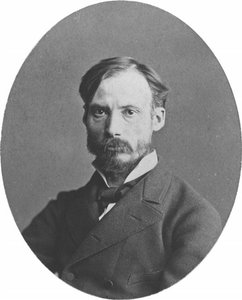
1841 - 1919 , Franciaország

Fedezze fel Pierre-Auguste Renoir 25 legszebb művét! Ismerje meg az impresszionizmus gyöngyszemeit, a színek és fény játékát. Vásároljon exkluzív Renoir reprodukciókat otthonába a Most-Famous-Paintings.com kínálatából – minőségi faliképek és inspiráló dekoráció.
Fedezze fel Paul Cézanne 25 legikonikusabb művét! Ismerje meg a posztimpresszionizmus úttörőjének festményeit, technikáját és inspirációit. Vászonképek, portrék, tájképfestmények – minden otthonba. Böngéssze gyűjteményünket a Most-Famous-Paintings-on!
Fedezze fel John Constable 25 legszebb művészeti alkotását! Ismerje meg a romantika ikonikus tájképeit, Dedham Vale szépségét és a természet lenyűgöző ábrázolásait. Vászonkép reprodukcióinkkal eleganciát csempészhet otthonába – Most-Famous-Paintings.com

Fedezze fel a 10 legikonikus impresszionista tájkép festményt! Monet, Renoir, Degas és más művészek remekművei. Vászonképek, faliképek otthonába – inspirálódjon Most-Famous-Paintings.com-on! Explore the full collection online.
Fedezze fel a 10 legikonikusabb tájkép festményt! Monet, Van Gogh és más mesterek művei inspirálnak. Művészeti reprodukciók magas minőségben – tökéletes dekoráció otthonába. Böngésszen Most-Famous-Paintings.com-on!


Maradjon naprakész a legfrissebb művészeti hírekkel, exkluzív ajánlatokkal és dekorációs ötletekkel.
Írja le nekünk projektjét, és művészeti szakértőink 3 személyre szabott műalkotási javaslatot készítenek Önnek.
Hagyjuk, hogy mi válogassunk ki Önnek 3 legjobb opciót – Ingyenesen!


 Megtekintés
 Küldés
 Megosztás
 Részletek

 Letöltés
 Hasonló darabok
 X-ray felvétel
 Diavetítés
 Összes részlet megjelenítése







 Az üvegkeretes opció csak 110 cm alatti méretben érhető el