x

 Acrylic On CanvasWallArtRealism
 1895
1895 40.0 x 31.0 cm
Múzeumi minőségű giclée vagy vászonnyomat, gyors gyártással és rugalmas finomítási lehetőségekkel. ( Kézzel festett másolat rendelése Kép letöltése)





























Válasszon előre meghatározott méreteink közül, amelyek megfelelnek a műalkotás eredeti arányainak.

Megadhat saját méreteket is egy konkrét kerethez vagy helyszínhez igazítva. Amennyiben a kiválasztott méret nem egyezik az eredeti kép arányokkal, a műalkotást le fogjuk vágni, vagy kiegészítjük a képet tükrözött vagy egyszínű szélekkel. A gyártás megkezdése előtt egy digitális tervezetet küldünk jóváhagyásra.
Kérjük, vegye figyelembe, hogy a képernyőn látható előnézet nem tükrözi a tényleges levágást vagy kiegészítést. Csak a tervezet mutatja pontosan a végső kompozíciót.
Bár az egyedi méretek is elérhetőek, az eredeti arányok megőrzése érdekében azt javasoljuk, hogy válasszon a előre meghatározott listából származó méretet.
Világszerte történő kiszállítás területére mindössze 2 hét alatt, a szokásos 4-5 hét helyett. (14 augusztus)


The Path
Reprodukció mérete
Pierre-Auguste Renoir's “The Path,” painted in 1895, stands as a quintessential embodiment of Impressionism—a movement dedicated to capturing fleeting moments of beauty and emotion through light and color. Measuring 40 x 31 cm, this oil on canvas piece resides firmly within the Realism style, despite its luminous palette and airy atmosphere. It’s more than just a picturesque landscape; it's an invitation into a realm of serene contemplation.
At first glance, “The Path” presents a deceptively simple composition: a verdant field dominates the canvas, punctuated by mature trees that reach upwards towards a sky ablaze with hues of azure and pearl. Renoir skillfully employs light—a cornerstone of Impressionist technique—to illuminate the scene. As detailed in scholarly articles examining Light in Painting, artists like Renoir meticulously observe how sunlight transforms surfaces, influencing color perception and creating textural nuances. The dappled sunlight filtering through the foliage lends an ethereal quality to the landscape, fostering a palpable sense of warmth and tranquility.
However, “The Path” distinguishes itself from purely representational landscapes by incorporating two figures—a man and a woman—who stroll along the path. Their placement isn't accidental; it serves to underscore the harmonious relationship between humanity and nature. These individuals aren’t merely incidental additions; they are active participants in the scene, suggesting an awareness of beauty and inviting viewers to consider their own connection with the natural world. This subtle human element elevates the painting beyond mere visual spectacle.
The influence of fellow artists like John Constable—whose “A Wooded Path” similarly explores the grandeur of rural landscapes—and Cornelis Hendrickszoon Vroom—creator of “Forest Road with Two Horse-Drawn Carts”—can be discerned in Renoir’s approach. Like these masters, Renoir prioritizes capturing the essence of a particular moment in time, prioritizing emotional resonance over precise detail. These comparative works highlight the shared ambition to portray natural beauty while subtly conveying human experience.
"The Path" speaks volumes about Renoir’s artistic philosophy—a belief that art should evoke feelings rather than simply documenting reality. The tranquil setting, combined with the presence of figures engaged in quiet activity, fosters a mood of serenity and invites viewers to savor the beauty of the natural world. It's a painting designed not just to be seen but to be felt, cementing Renoir’s legacy as one of Impressionism’s foremost luminaries.

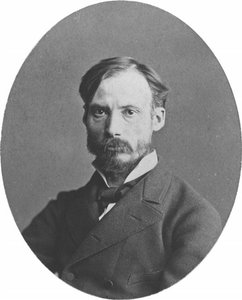
1841 - 1919 , Franciaország

Fedezze fel Pierre-Auguste Renoir 25 legszebb művét! Ismerje meg az impresszionizmus gyöngyszemeit, a színek és fény játékát. Vásároljon exkluzív Renoir reprodukciókat otthonába a Most-Famous-Paintings.com kínálatából – minőségi faliképek és inspiráló dekoráció.

Fedezze fel a 10 legikonikus impresszionista tájkép festményt! Monet, Renoir, Degas és más művészek remekművei. Vászonképek, faliképek otthonába – inspirálódjon Most-Famous-Paintings.com-on! Explore the full collection online.
Fedezze fel a 10 legikonikusabb tájkép festményt! Monet, Van Gogh és más mesterek művei inspirálnak. Művészeti reprodukciók magas minőségben – tökéletes dekoráció otthonába. Böngésszen Most-Famous-Paintings.com-on!
Fedezze fel Paul Cézanne 25 legikonikusabb művét! Ismerje meg a posztimpresszionizmus úttörőjének festményeit, technikáját és inspirációit. Vászonképek, portrék, tájképfestmények – minden otthonba. Böngéssze gyűjteményünket a Most-Famous-Paintings-on!

Explore the rich history of landscape art with Most-Famous-Paintings. Discover renowned artists, movements like Impressionism & Romanticism, and expert guidance for collecting timeless pieces. Find your perfect serene escape today!


Maradjon naprakész a legfrissebb művészeti hírekkel, exkluzív ajánlatokkal és dekorációs ötletekkel.
Írja le nekünk projektjét, és művészeti szakértőink 3 személyre szabott műalkotási javaslatot készítenek Önnek.
Hagyjuk, hogy mi válogassunk ki Önnek 3 legjobb opciót – Ingyenesen!


 Megtekintés
 Küldés
 Megosztás
 Részletek

 Letöltés
 Hasonló darabok
 X-ray felvétel
 Diavetítés
 Összes részlet megjelenítése







 Az üvegkeretes opció csak 110 cm alatti méretben érhető el