


x

 Oil On CanvasWallArtSurrealist Movement
 1925Modern
 50.0 x 100.0 cm
Múzeumi minőségű giclée vagy vászonnyomat, gyors gyártással és rugalmas finomítási lehetőségekkel. ( Kézzel festett másolat rendelése Kép letöltése)





























Válasszon előre meghatározott méreteink közül, amelyek megfelelnek a műalkotás eredeti arányainak.

Megadhat saját méreteket is egy konkrét kerethez vagy helyszínhez igazítva. Amennyiben a kiválasztott méret nem egyezik az eredeti kép arányokkal, a műalkotást le fogjuk vágni, vagy kiegészítjük a képet tükrözött vagy egyszínű szélekkel. A gyártás megkezdése előtt egy digitális tervezetet küldünk jóváhagyásra.
Kérjük, vegye figyelembe, hogy a képernyőn látható előnézet nem tükrözi a tényleges levágást vagy kiegészítést. Csak a tervezet mutatja pontosan a végső kompozíciót.
Bár az egyedi méretek is elérhetőek, az eredeti arányok megőrzése érdekében azt javasoljuk, hogy válasszon a előre meghatározott listából származó méretet.
Világszerte történő kiszállítás területére mindössze 2 hét alatt, a szokásos 4-5 hét helyett. (25 augusztus)


Bather
Reprodukció mérete
In the quiet, shadowed corridors of Surrealism, few works capture the delicate tension between tranquility and unease as poignantly as René Magritte’s “Bather,” painted in 1925. This masterpiece does not merely depict a scene; it invites the viewer into a liminal space where the boundaries of reality dissolve into the soft glow of a nocturnal dream. At its heart, the painting presents a woman reclining in repose, her form bathed in a celestial light that feels both intimate and otherworldly. There is a profound stillness to the composition, yet beneath this surface of calm lies the unmistakable Magrittean signature: a subtle disruption of the familiar that compels us to question the very nature of what we see.
The technique employed in “Bather” reflects the artist's transition through various stylistic influences, blending the precision of Art Deco with the burgeoning psychological depth of the Surrealist movement. Magritte utilizes a muted, ethereal palette—dominated by creamy tones and pale, ghostly blues—to craft an atmosphere of nocturnal luminescence. His brushwork, while meticulous, possesses a textural quality that prevents the scene from becoming purely photographic. Instead, these subtle variations in surface create a dreamlike haze, mirroring the way memories or dreams often lack sharp edges, favoring instead a soft, evocative impression of truth.
To understand “Bather,” one must look beyond the physical subject to the profound psychological currents flowing beneath the canvas. Created during an era when the groundbreaking theories of Sigmund Freud were reshaping the intellectual landscape, the painting serves as a visual exploration of the subconscious. The moon, positioned above the reclining figure, acts as a potent symbol of introspection and the illumination of the hidden self. It is a light that does not reveal everything but rather casts long, mysterious shadows, much like the way psychoanalysis seeks to bring light to the repressed corners of the human psyche.
The subject's vulnerability—her nudity and her state of rest—functions as a metaphor for the exposure of one's true essence when the rational defenses of the waking world are set aside. Magritte masterfully plays with themes of concealment and revelation; even as the figure is visible, there is a sense that much remains veiled. This interplay between the seen and the unseen creates a captivating emotional resonance, making the piece an intellectual puzzle for the observer to solve, turning every viewing into a new discovery of hidden meaning.
For the art collector or the interior designer, a high-quality reproduction of “Bather” offers more than just aesthetic beauty; it provides a focal point of profound conversation and intellectual depth. The painting’s unique ability to evoke both peace and mystery makes it an incredibly versatile piece for sophisticated environments. In a modern, minimalist setting, its soft palette can provide a calming, atmospheric warmth, while in a more classical or eclectic space, its Surrealist intrigue adds a layer of complex storytelling.
Owning a piece that captures the essence of Magritte’s genius allows one to bring a fragment of the 20th century's most significant artistic revolution into the home. It is an invitation to pause, to reflect, and to allow the imagination to wander through the moonlit landscapes of the mind. Whether used to anchor a gallery wall or to serve as a singular, evocative statement in a quiet study, “Bather” remains a timeless testament to the enduring power of the surreal.
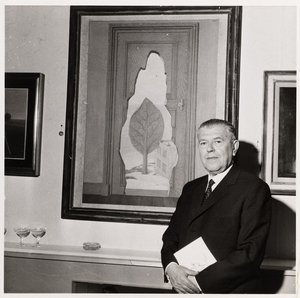
1898 - 1967 , Belgium

Explore the profound mystery of René Magritte’s 'The Treachery of Images.' Dive into an expert analysis of his Surrealist philosophy, the paradox of representation, and how he challenged reality through the interplay of language and visual perception.

Explore the profound history and technical mastery of woodcut relief printing. From ancient origins to German Expressionism, discover how artists use the subtractive process to create iconic works. A definitive guide for art students, collectors, and historians.

Discover the technical mastery behind Most-Famous-Paintings.com's premium Giclée canvas prints. Our guide for elite collectors explores archival pigment inks, museum-grade substrates, and the science of high-fidelity reproduction to ensure lasting beauty and historical accuracy.

Explore the profound depths of Surrealism. From Dalí’s dreamscapes to Magritte’s enigmas, master the history of the subconscious mind through our expert art guide and discover museum-quality oil reproductions of the world's most iconic surrealist masterpieces.


Maradjon naprakész a legfrissebb művészeti hírekkel, exkluzív ajánlatokkal és dekorációs ötletekkel.
Írja le nekünk projektjét, és művészeti szakértőink 3 személyre szabott műalkotási javaslatot készítenek Önnek.
Hagyjuk, hogy mi válogassunk ki Önnek 3 legjobb opciót – Ingyenesen!


 Megtekintés
 Küldés
 Megosztás
 Részletek

 Letöltés
 Hasonló darabok
 X-ray felvétel
 Diavetítés
 Összes részlet megjelenítése







 Az üvegkeretes opció csak 110 cm alatti méretben érhető el


