


x

Múzeumi minőségű giclée vagy vászonnyomat, gyors gyártással és rugalmas finomítási lehetőségekkel. ( Kézzel festett másolat rendelése Kép letöltése)





























Válasszon előre meghatározott méreteink közül, amelyek megfelelnek a műalkotás eredeti arányainak.

Megadhat saját méreteket is egy konkrét kerethez vagy helyszínhez igazítva. Amennyiben a kiválasztott méret nem egyezik az eredeti kép arányokkal, a műalkotást le fogjuk vágni, vagy kiegészítjük a képet tükrözött vagy egyszínű szélekkel. A gyártás megkezdése előtt egy digitális tervezetet küldünk jóváhagyásra.
Kérjük, vegye figyelembe, hogy a képernyőn látható előnézet nem tükrözi a tényleges levágást vagy kiegészítést. Csak a tervezet mutatja pontosan a végső kompozíciót.
Bár az egyedi méretek is elérhetőek, az eredeti arányok megőrzése érdekében azt javasoljuk, hogy válasszon a előre meghatározott listából származó méretet.
Világszerte történő kiszállítás területére mindössze 2 hét alatt, a szokásos 4-5 hét helyett. (22 augusztus)


Blue cinema
Reprodukció mérete
René Magritte’s “Blue Cinema,” painted in 1925, is more than just a depiction of a woman posing before a cinema; it’s a meticulously constructed meditation on perception, identity, and the deceptive nature of reality. Executed during a pivotal moment in Magritte's artistic development – a period marked by his burgeoning interest in Surrealism while retaining a strong connection to classical painting techniques – this work exemplifies his signature style: a deliberate disruption of familiar visual conventions.
Painted in 1925, “Blue Cinema” reflects Magritte's early explorations into Surrealist themes while firmly rooted in the traditions of Flemish realism. He was deeply influenced by artists like Jan van Eyck, known for his meticulous detail and exploration of optics, a fascination that would become central to Magritte’s own approach. The painting’s precise rendering – the smooth application of paint, the careful modeling of form – speaks to this influence. However, unlike Van Eyck's often celebratory depictions, Magritte employs these techniques to create an atmosphere of unease and ambiguity. The use of a photographic style, reminiscent of early advertising photography, adds another layer of complexity, blurring the lines between reality and representation.
"Blue Cinema" resonates with profound symbolic weight, echoing themes that would become recurring motifs in Magritte's oeuvre. The cinema itself represents a constructed reality, an illusion designed to entertain and captivate. The woman’s pose – poised yet distant – suggests a questioning of identity and the role of the observer. The obscured face of her mother, subtly alluded to through the painting’s overall mood and the recurring motif of veiled figures, is perhaps most powerfully felt here. This echoes Magritte's personal trauma and his lifelong preoccupation with hidden truths and the impossibility of truly knowing another person or their world.
Most-Famous-Paintings.com is proud to offer a meticulously crafted hand-painted reproduction of René Magritte’s “Blue Cinema.” This exceptional piece captures the essence of Magritte's genius, allowing you to bring this iconic artwork into your home or office. Perfect for collectors seeking a statement piece, or interior designers looking to infuse their spaces with a touch of Surrealist intrigue, this reproduction is an investment in art history and a testament to Magritte’s enduring legacy.

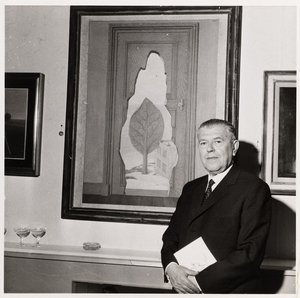
1898 - 1967 , Belgium

Explore the profound mystery of René Magritte’s 'The Treachery of Images.' Dive into an expert analysis of his Surrealist philosophy, the paradox of representation, and how he challenged reality through the interplay of language and visual perception.

Elevate your design projects with Most-Famous-Paintings's premium canvas prints and hand-painted reproductions. Discover affordable, museum-quality wall decor delivered worldwide, offering freelance decorators professional excellence, archival durability, and bespoke customization for every space.


Maradjon naprakész a legfrissebb művészeti hírekkel, exkluzív ajánlatokkal és dekorációs ötletekkel.
Írja le nekünk projektjét, és művészeti szakértőink 3 személyre szabott műalkotási javaslatot készítenek Önnek.
Hagyjuk, hogy mi válogassunk ki Önnek 3 legjobb opciót – Ingyenesen!


 Megtekintés
 Küldés
 Megosztás
 Részletek

 Letöltés
 Hasonló darabok
 X-ray felvétel
 Diavetítés

 Összes részlet megjelenítése







 Az üvegkeretes opció csak 110 cm alatti méretben érhető el


