x

Kézzel festett olajvastú vászon, az Ön által választott méretben és keretben, művészeink készítik meglévőre. ( Nyomat rendelése Kép letöltése)





























Válasszon előre meghatározott méreteink közül, amelyek megfelelnek a műalkotás eredeti arányainak.

Ön megadhat saját méreteket egy adott kerethez vagy térhez igazításhoz. Ha a kiválasztott méret nem egyezik az eredeti kép arányával, akkor a műalkotást levágjuk, vagy további kézzel festett elemekkel meghosszabbítjuk a festményt. A gyártás megkezdése előtt küldünk Önnek egy digitális előnézetet jóváhagyásra.
Kérjük, vegye figyelembe, hogy a képernyőn megjelenő előnézet nem tükrözi a tényleges vágást vagy kiterjesztést. Csak az előnézet fog pontosan mutatni a végső kompozíciót.
Bár egyedi méretek állnak rendelkezésre, javasoljuk, hogy válasszon egy méretet az előre meghatározott listából az eredeti arányok megőrzése érdekében.
Világszerte elérhető szállítás () 3-4 hét alatt a szokásos 5 hét helyett. (19 augusztus). A minőség nem kérdőjelezhető.


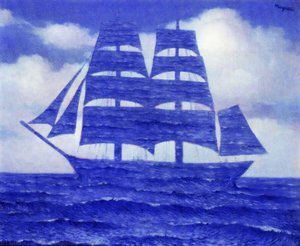
La parabole
Reprodukció mérete
René Magritte’s “La parabole,” painted in 1955, stands as a quintessential example of surrealist art—a genre that sought to liberate imagination from rational constraints and explore the subconscious realm. More than just an aesthetically pleasing image, it's a deliberate provocation, inviting viewers to question their perceptions of reality and delve into the complexities of human experience.
Magritte executed “La parabole” in gouache—a watercolor-based medium known for its opacity and ability to achieve rich, velvety tones. This technique lends itself beautifully to capturing the muted palette characteristic of Magritte’s oeuvre, emphasizing subtle gradations of color rather than bold hues. The artist meticulously blended shades of grey and ochre, creating an atmosphere of quiet contemplation.
"La parabole" emerged during the height of Magritte's engagement with surrealism—a movement born from the Dada nihilism of World War I and fueled by psychoanalytic theories pioneered by Sigmund Freud. Surrealists aimed to tap into dreams, fantasies, and irrational impulses as sources of artistic inspiration.
“The painter must depict what he sees,” Magritte famously declared, “but not necessarily what is there.” This statement encapsulates the core principle of surrealist art—the rejection of literal representation in favor of symbolic imagery that challenges conventional notions of truth. The painting’s central figure stands silently observing the buildings and trees, embodying the viewer's role as active participant in interpreting the artwork’s meaning.The most striking element of “La parabole” is its paradoxical juxtaposition of familiar objects—buildings and trees—within an unfamiliar setting. This visual dissonance underscores Magritte's preoccupation with the elusive nature of perception and his exploration of the gap between appearance and reality. The white house, often interpreted as representing intellect or enlightenment, obscures the face of the person in the foreground, symbolizing hidden knowledge and the impossibility of fully grasping the world around us.
"La parabole" lingers in the viewer’s mind long after encountering it—provoking contemplation about fundamental questions concerning consciousness and experience. Its quiet stillness and understated beauty invite introspection, prompting us to consider how our perceptions shape our understanding of reality. Magritte's masterpiece continues to resonate with audiences today as a testament to the enduring power of surrealist art to unsettle expectations and illuminate hidden truths.
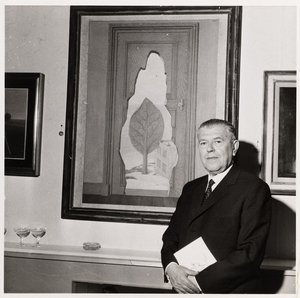
1898 - 1967 , Belgium

Explore the profound mystery of René Magritte’s 'The Treachery of Images.' Dive into an expert analysis of his Surrealist philosophy, the paradox of representation, and how he challenged reality through the interplay of language and visual perception.

Explore the profound depths of Surrealism. From Dalí’s dreamscapes to Magritte’s enigmas, master the history of the subconscious mind through our expert art guide and discover museum-quality oil reproductions of the world's most iconic surrealist masterpieces.


Maradjon naprakész a legfrissebb művészeti hírekkel, exkluzív ajánlatokkal és dekorációs ötletekkel.
Írja le nekünk projektjét, és művészeti szakértőink 3 személyre szabott műalkotási javaslatot készítenek Önnek.
Hagyjuk, hogy mi válogassunk ki Önnek 3 legjobb opciót – Ingyenesen!


 Megtekintés
 Küldés
 Megosztás
 Részletek

 Letöltés
 Hasonló darabok
 X-ray felvétel
 Diavetítés
 Összes részlet megjelenítése







 Az üvegkeretes opció csak 110 cm alatti méretben érhető el