x

Kézzel festett olajvastú vászon, az Ön által választott méretben és keretben, művészeink készítik meglévőre. ( Nyomat rendelése Kép letöltése)





























Válasszon előre meghatározott méreteink közül, amelyek megfelelnek a műalkotás eredeti arányainak.

Ön megadhat saját méreteket egy adott kerethez vagy térhez igazításhoz. Ha a kiválasztott méret nem egyezik az eredeti kép arányával, akkor a műalkotást levágjuk, vagy további kézzel festett elemekkel meghosszabbítjuk a festményt. A gyártás megkezdése előtt küldünk Önnek egy digitális előnézetet jóváhagyásra.
Kérjük, vegye figyelembe, hogy a képernyőn megjelenő előnézet nem tükrözi a tényleges vágást vagy kiterjesztést. Csak az előnézet fog pontosan mutatni a végső kompozíciót.
Bár egyedi méretek állnak rendelkezésre, javasoljuk, hogy válasszon egy méretet az előre meghatározott listából az eredeti arányok megőrzése érdekében.
Világszerte elérhető szállítás () 3-4 hét alatt a szokásos 5 hét helyett. (16 augusztus). A minőség nem kérdőjelezhető.


Landscape
Reprodukció mérete
René Magritte's "Landscape," painted in 1926, is not merely a depiction of a scene; it’s an immersion into the unsettling realm of the subconscious. This arresting work, emerging from the fertile ground of early Surrealism, immediately confronts the viewer with a profoundly disquieting image: a nude woman standing atop a precipice, her back intertwined with the gnarled roots of trees that seem to erupt directly from her form. The vast ocean and distant mountains provide a dramatic backdrop, yet it is the intimate, almost claustrophobic relationship between the figure and the landscape that commands our attention, demanding contemplation long after the initial visual impact has faded.
The symbolism within “Landscape” is layered and profoundly personal, deeply rooted in Magritte’s own life experiences. The most potent element is undoubtedly the naked woman, a recurring motif in his work – a direct echo of his mother's death. Her exposed form, combined with the tree roots emerging from her back, evokes a sense of vulnerability, loss, and perhaps even a confrontation with mortality. The ocean, often associated with the unconscious, adds to this feeling of depth and mystery. The trees themselves can be interpreted as symbols of life, growth, and connection – yet here, they are inextricably linked to the woman’s body, blurring the boundaries between the natural world and the human psyche.
"Landscape" was created during a period of significant artistic experimentation in Europe. Magritte was influenced by the works of artists like Giorgio de Chirico, whose metaphysical paintings explored similar themes of illusion and disorientation. However, unlike de Chirico’s often more overtly theatrical style, Magritte favored a quieter, more restrained approach – one that prioritized psychological impact over overt narrative. The painting reflects the growing interest in psychoanalysis during the 1920s, which encouraged artists to explore the hidden depths of the human mind.
“Landscape” transcends mere visual representation; it’s an emotionally charged experience. The painting's unsettling beauty evokes feelings of unease, mystery, and perhaps even a sense of profound sadness. It invites the viewer to confront uncomfortable truths about mortality, identity, and the nature of reality. As a significant work from one of the 20th century’s most influential artists, “Landscape” holds considerable artistic value – a testament to Magritte's innovative vision and his ability to capture the complexities of the human condition. A hand-painted reproduction offers an unparalleled opportunity to bring this iconic image into your space, sparking conversation and contemplation for years to come.

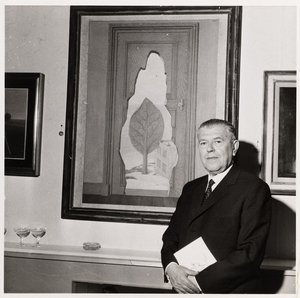
1898 - 1967 , Belgium

Explore the profound mystery of René Magritte’s 'The Treachery of Images.' Dive into an expert analysis of his Surrealist philosophy, the paradox of representation, and how he challenged reality through the interplay of language and visual perception.


Maradjon naprakész a legfrissebb művészeti hírekkel, exkluzív ajánlatokkal és dekorációs ötletekkel.
Írja le nekünk projektjét, és művészeti szakértőink 3 személyre szabott műalkotási javaslatot készítenek Önnek.
Hagyjuk, hogy mi válogassunk ki Önnek 3 legjobb opciót – Ingyenesen!


 Megtekintés
 Küldés
 Megosztás
 Részletek

 Letöltés
 Hasonló darabok
 X-ray felvétel
 Diavetítés

 Összes részlet megjelenítése







 Az üvegkeretes opció csak 110 cm alatti méretben érhető el