x

 Acrylic On CanvasWallArtSurrealism
 1926
1926 75.0 x 65.0 cm
Kézzel festett olajvastú vászon, az Ön által választott méretben és keretben, művészeink készítik meglévőre. ( Nyomat rendelése Kép letöltése)





























Válasszon előre meghatározott méreteink közül, amelyek megfelelnek a műalkotás eredeti arányainak.

Ön megadhat saját méreteket egy adott kerethez vagy térhez igazításhoz. Ha a kiválasztott méret nem egyezik az eredeti kép arányával, akkor a műalkotást levágjuk, vagy további kézzel festett elemekkel meghosszabbítjuk a festményt. A gyártás megkezdése előtt küldünk Önnek egy digitális előnézetet jóváhagyásra.
Kérjük, vegye figyelembe, hogy a képernyőn megjelenő előnézet nem tükrözi a tényleges vágást vagy kiterjesztést. Csak az előnézet fog pontosan mutatni a végső kompozíciót.
Bár egyedi méretek állnak rendelkezésre, javasoljuk, hogy válasszon egy méretet az előre meghatározott listából az eredeti arányok megőrzése érdekében.
Világszerte elérhető szállítás () 3-4 hét alatt a szokásos 5 hét helyett. (14 augusztus). A minőség nem kérdőjelezhető.


The conqueror
Reprodukció mérete
René Magritte’s “The Conqueror,” painted in 1926, stands as a deceptively simple yet profoundly unsettling emblem of existential questioning. This artwork immediately grabs the viewer's attention with its striking visual paradox – a man dressed impeccably in formal attire, complete with bow tie and suit jacket, is obscured by a wooden box that covers his face.
Historical Context: Created during the height of Surrealist experimentation—a movement spearheaded by André Breton— “The Conqueror” reflects the broader intellectual currents of the era. Surrealists sought to liberate thought from rational constraints, exploring subconscious desires and anxieties through fantastical imagery. Magritte’s work aligns with this ethos, questioning accepted notions of perception and challenging viewers to confront hidden layers of meaning.
Symbolism & Interpretation: The wooden box covering the man's face is arguably the painting’s central symbol—representing concealment, repression, and perhaps the suppression of identity. It suggests that what we perceive as “reality” may be merely a façade concealing deeper truths. The mountainous landscape serves as a counterpoint to this confinement, symbolizing resilience, permanence, and the enduring power of nature. Magritte deliberately avoids providing definitive answers, inviting contemplation about the complexities of human experience.
Emotional Impact: "The Conqueror" evokes a palpable sense of unease and intrigue. Its quiet stillness belies its intellectual depth, prompting viewers to consider questions of selfhood and the limitations of conscious awareness. The artwork’s understated beauty underscores the unsettling nature of its message—a reminder that appearances can deceive and that true understanding requires venturing beyond the surface.

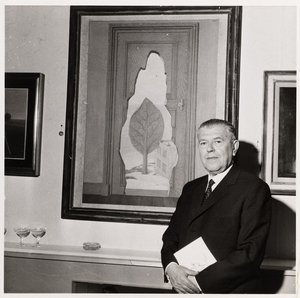
1898 - 1967 , Belgium

Explore the profound depths of Surrealism. From Dalí’s dreamscapes to Magritte’s enigmas, master the history of the subconscious mind through our expert art guide and discover museum-quality oil reproductions of the world's most iconic surrealist masterpieces.

Explore the profound depths of Surrealism with our expert guide. From Dalí's dreamscapes to Breton's manifesto, uncover the history, symbolism, and technical mastery of this revolutionary movement. Perfect for students and collectors seeking deep art-historical insight.


Maradjon naprakész a legfrissebb művészeti hírekkel, exkluzív ajánlatokkal és dekorációs ötletekkel.
Írja le nekünk projektjét, és művészeti szakértőink 3 személyre szabott műalkotási javaslatot készítenek Önnek.
Hagyjuk, hogy mi válogassunk ki Önnek 3 legjobb opciót – Ingyenesen!


 Megtekintés
 Küldés
 Megosztás
 Részletek

 Letöltés
 Hasonló darabok
 X-ray felvétel
 Diavetítés
 Összes részlet megjelenítése







 Az üvegkeretes opció csak 110 cm alatti méretben érhető el