x

Múzeumi minőségű giclée vagy vászonnyomat, gyors gyártással és rugalmas finomítási lehetőségekkel. ( Kézzel festett másolat rendelése Kép letöltése)





























Válasszon előre meghatározott méreteink közül, amelyek megfelelnek a műalkotás eredeti arányainak.

Megadhat saját méreteket is egy konkrét kerethez vagy helyszínhez igazítva. Amennyiben a kiválasztott méret nem egyezik az eredeti kép arányokkal, a műalkotást le fogjuk vágni, vagy kiegészítjük a képet tükrözött vagy egyszínű szélekkel. A gyártás megkezdése előtt egy digitális tervezetet küldünk jóváhagyásra.
Kérjük, vegye figyelembe, hogy a képernyőn látható előnézet nem tükrözi a tényleges levágást vagy kiegészítést. Csak a tervezet mutatja pontosan a végső kompozíciót.
Bár az egyedi méretek is elérhetőek, az eredeti arányok megőrzése érdekében azt javasoljuk, hogy válasszon a előre meghatározott listából származó méretet.
Világszerte történő kiszállítás területére mindössze 2 hét alatt, a szokásos 4-5 hét helyett. (15 augusztus)


The Postcard
Reprodukció mérete
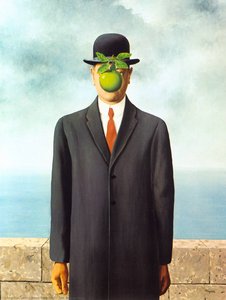
René Magritte’s “The Postcard,” painted in 1960, stands as a cornerstone of Surrealist art and continues to fascinate viewers with its deceptively simple composition. More than just a depiction of a man gazing at an apple floating above the ocean—a scene reminiscent of Pieter Bruegel III's "Landscape with the Fall of Icarus"—the painting operates on multiple levels, inviting contemplation about perception, reality, and the hidden narratives lurking beneath the surface.
Historical Context: Created during Magritte’s prolific period—following the success of works like “The Lovers” and “Golconda”—“The Postcard” aligns with the broader Surrealist movement's preoccupation with challenging rational thought and exploring subconscious desires. Influenced by Sigmund Freud’s psychoanalytic theories, Surrealists sought to liberate art from the constraints of logic, aiming instead for a visceral connection with the irrational.
Symbolism: The floating apple is arguably the painting’s most potent symbol. It defies gravity and disrupts our expectations of visual reality—a deliberate tactic employed by Magritte to destabilize viewers' assumptions about what they see. Scholars interpret the apple as representing temptation, knowledge, and perhaps even a reference to biblical narratives concerning Adam and Eve. Its placement above the man suggests an unreachable ideal or a hidden truth that remains elusive.
Emotional Impact: “The Postcard” evokes a profound sense of solitude and introspection. The figure’s gaze directs our attention outwards, mirroring our own yearning for connection with something beyond ourselves—a feeling amplified by the stillness of the ocean and the enigmatic presence of the floating apple. Magritte's masterful use of color and composition contributes to this emotional resonance, creating an artwork that lingers in the mind long after viewing.
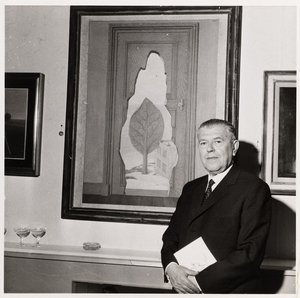
1898 - 1967 , Belgium

Explore the profound mystery of René Magritte’s 'The Treachery of Images.' Dive into an expert analysis of his Surrealist philosophy, the paradox of representation, and how he challenged reality through the interplay of language and visual perception.

Explore the profound depths of Surrealism. From Dalí’s dreamscapes to Magritte’s enigmas, master the history of the subconscious mind through our expert art guide and discover museum-quality oil reproductions of the world's most iconic surrealist masterpieces.

Explore the profound depths of Surrealism with our expert guide. From Dalí's dreamscapes to Breton's manifesto, uncover the history, symbolism, and technical mastery of this revolutionary movement. Perfect for students and collectors seeking deep art-historical insight.

Explore the profound history of Surrealist Expressionism. Discover how artists blended dream logic with raw emotion to navigate post-war trauma through masterful, evocative imagery and psychological depth.

Explore the profound depths of Surrealism through a scholarly lens. Discover the symbolism, history, and technical brilliance behind masterpieces by Salvador Dalí and other icons. Gain expert insights into the dreamlike subconscious and the enduring legacy of Surrealist art.


Maradjon naprakész a legfrissebb művészeti hírekkel, exkluzív ajánlatokkal és dekorációs ötletekkel.
Írja le nekünk projektjét, és művészeti szakértőink 3 személyre szabott műalkotási javaslatot készítenek Önnek.
Hagyjuk, hogy mi válogassunk ki Önnek 3 legjobb opciót – Ingyenesen!


 Megtekintés
 Küldés
 Megosztás
 Részletek

 Letöltés
 Hasonló darabok
 X-ray felvétel
 Diavetítés

 Összes részlet megjelenítése







 Az üvegkeretes opció csak 110 cm alatti méretben érhető el