


x

Múzeumi minőségű giclée vagy vászonnyomat, gyors gyártással és rugalmas finomítási lehetőségekkel. ( Kézzel festett másolat rendelése Kép letöltése)





























Válasszon előre meghatározott méreteink közül, amelyek megfelelnek a műalkotás eredeti arányainak.

Megadhat saját méreteket is egy konkrét kerethez vagy helyszínhez igazítva. Amennyiben a kiválasztott méret nem egyezik az eredeti kép arányokkal, a műalkotást le fogjuk vágni, vagy kiegészítjük a képet tükrözött vagy egyszínű szélekkel. A gyártás megkezdése előtt egy digitális tervezetet küldünk jóváhagyásra.
Kérjük, vegye figyelembe, hogy a képernyőn látható előnézet nem tükrözi a tényleges levágást vagy kiegészítést. Csak a tervezet mutatja pontosan a végső kompozíciót.
Bár az egyedi méretek is elérhetőek, az eredeti arányok megőrzése érdekében azt javasoljuk, hogy válasszon a előre meghatározott listából származó méretet.
Világszerte történő kiszállítás területére mindössze 2 hét alatt, a szokásos 4-5 hét helyett. (21 augusztus)


The window
Reprodukció mérete
René Magritte’s “The Window,” completed in 1925, stands as one of the most recognizable images of Surrealism and continues to fascinate viewers with its deceptively simple composition. Painted during a period of intense experimentation within the movement—a reaction against rational thought and championed by André Breton—the artwork transcends mere visual representation, delving into fundamental questions about how we perceive reality.
Symbolism & Interpretation: The window itself serves as a powerful symbol—representing not just an aperture through which light enters but also a barrier separating the figure from the outside world. More subtly, Magritte utilizes geometric shapes—specifically triangles—to create visual tension and disrupt our expectations of spatial harmony. These triangles draw attention to the viewer’s gaze and invite contemplation on the elusive nature of perception.
Emotional Impact: “The Window” evokes a feeling of melancholic solitude and invites viewers to consider what lies beyond the visible surface. Magritte's masterful manipulation of color, form, and composition compels us to confront our own assumptions about reality—leaving behind a lingering impression of mystery and prompting reflection on the limitations of human understanding.
Magritte wasn’t interested in simply depicting what he saw; rather, he sought to challenge viewers’ perceptions of reality. He famously stated, “I want to depict things as they appear to me,” emphasizing the subjective experience at the core of artistic creation.
The triangles incorporated into the composition aren't merely decorative elements; they actively disrupt conventional spatial conventions. Magritte skillfully uses these shapes to create visual tension, mirroring the anxieties inherent in confronting the unknown—a central theme within Surrealist art.

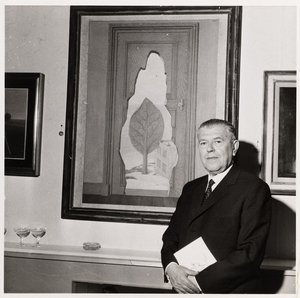
1898 - 1967 , Belgium

Explore the profound mystery of René Magritte’s 'The Treachery of Images.' Dive into an expert analysis of his Surrealist philosophy, the paradox of representation, and how he challenged reality through the interplay of language and visual perception.


Maradjon naprakész a legfrissebb művészeti hírekkel, exkluzív ajánlatokkal és dekorációs ötletekkel.
Írja le nekünk projektjét, és művészeti szakértőink 3 személyre szabott műalkotási javaslatot készítenek Önnek.
Hagyjuk, hogy mi válogassunk ki Önnek 3 legjobb opciót – Ingyenesen!


 Megtekintés
 Küldés
 Megosztás
 Részletek

 Letöltés
 Hasonló darabok
 X-ray felvétel
 Diavetítés

 Összes részlet megjelenítése







 Az üvegkeretes opció csak 110 cm alatti méretben érhető el


