


x


 Preview
 Nyomat vásárlása Kép letöltése
 Megosztás
 Részletek
 Kedvencekhez ad
 Letöltés
 Hasonló alkotások
 X-ray felvétel
 Diavetítés
Kézzel festett olajvastú vászon, az Ön által választott méretben és keretben, művészeink készítik meglévőre.





























Válasszon előre meghatározott méreteink közül, amelyek megfelelnek a műalkotás eredeti arányainak.

Ön megadhat saját méreteket egy adott kerethez vagy térhez igazításhoz. Ha a kiválasztott méret nem egyezik az eredeti kép arányával, akkor a műalkotást levágjuk, vagy további kézzel festett elemekkel meghosszabbítjuk a festményt. A gyártás megkezdése előtt küldünk Önnek egy digitális előnézetet jóváhagyásra.
Kérjük, vegye figyelembe, hogy a képernyőn megjelenő előnézet nem tükrözi a tényleges vágást vagy kiterjesztést. Csak az előnézet fog pontosan mutatni a végső kompozíciót.
Bár egyedi méretek állnak rendelkezésre, javasoljuk, hogy válasszon egy méretet az előre meghatározott listából az eredeti arányok megőrzése érdekében.
Világszerte elérhető szállítás () 3-4 hét alatt a szokásos 5 hét helyett. (27 július). A minőség nem kérdőjelezhető.


Window, Eiffel Tower
A reprodukció mérete
Robert Delaunay's “Window, Eiffel Tower” (1910) is more than just a depiction of Paris’ iconic landmark; it’s a vibrant embodiment of the Orphism movement – a radical artistic exploration of color and form that fundamentally shifted the course of 20th-century art. This captivating painting, rendered in bold strokes of red and black against a backdrop of stark white curtains, immediately draws the viewer into a world where architectural precision yields to an intensely emotional response to light and hue. Delaunay wasn’t interested in creating a photographic representation; instead, he sought to distill the essence of the Eiffel Tower – its power, its presence, and the way it interacts with the surrounding environment – through a carefully orchestrated visual language.
Created during a period of immense artistic upheaval, “Window, Eiffel Tower” emerged from Delaunay’s pioneering work within the burgeoning Orphism movement. Co-founded by his wife, Sonia Delaunay, and fellow artists like František Kupka, Orphism rejected traditional representational art in favor of abstract compositions dominated by intense, non-naturalistic colors. Influenced by theories of color developed by Michel Eugène Chevreul and later championed by the younger generation of artists, Delaunay believed that color itself possessed inherent expressive power – a belief reflected powerfully in this work. The geometric shapes employed aren’t merely decorative; they are fundamental building blocks used to dissect and reassemble visual experience, creating a dynamic interplay between form and color.
Delaunay's technique is characterized by loose, expressive brushstrokes applied with a confident hand. The red and black hues aren’t blended smoothly; instead, they are juxtaposed to create areas of sharp contrast and visual vibration. This deliberate lack of blending contributes significantly to the painting’s energetic feel. The white curtains serve not just as a backdrop but as active participants in the composition, reflecting and refracting light, further intensifying the color palette. The simplified geometric forms – squares, rectangles, and triangles – are strategically placed to guide the viewer's eye across the canvas, creating a sense of movement and dynamism. Notice how Delaunay uses overlapping planes to create an illusion of depth, pulling the viewer into the scene.
“Window, Eiffel Tower” transcends a simple cityscape depiction; it’s imbued with layers of symbolic meaning. The Eiffel Tower itself, a symbol of modernity and technological progress, is presented in a state of abstracted beauty, suggesting a harmonious relationship between the industrial age and artistic expression. The window frame acts as a framing device, inviting the viewer to step into the scene and experience the painting’s emotional resonance. The overall effect is one of optimism, energy, and a profound appreciation for the transformative power of color. It's a testament to Delaunay's ability to capture not just what he saw, but how he *felt* about it – a deeply subjective and intensely beautiful response to one of the world’s most iconic structures.

1885 - 1941 , Franciaország

Mélyreható elemzés az impresszionizmus és posztimpresszionizmus közötti különbségekről a kifinomult műgyűjtők számára. Értékbecslés, befektetési tanácsok és a legnagyobb mesterek alkotásai.
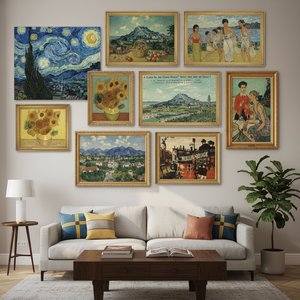
Fedezze fel a posztimpresszionizmus 10 legjelentősebb remekművét! Van Gogh, Cézanne és Gauguin alkotásainak története – inspiráló festmények otthonába. Prémium minőségű reprodukciók a Most-Famous-Paintings.com-on. Böngéssze online kínálatunkat!
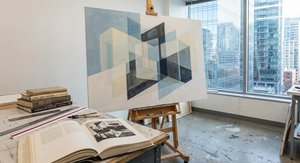
Explore the captivating world of geometric abstraction! Discover its origins, key artists like Malevich & Mondrian, and why this movement remains highly valued by art collectors today. Expert insights at Most-Famous-Paintings.

Explore Orphism, the vibrant abstract art movement pioneered by Robert & Sonia Delaunay. Discover its unique color theory, lasting influence on modern art, and how to bring this 'symphony of color' into your home with Most-Famous-Paintings.

Explore the evolution of geometric abstraction from Cubism to contemporary art. Discover key artists like Malevich & Mondrian, investment insights, and expert collecting advice at Most-Famous-Paintings.


Maradjon naprakész a legfrissebb művészeti hírekkel, exkluzív ajánlatokkal és dekorációs ötletekkel.
Írja le nekünk projektjét, és művészeti szakértőink 3 személyre szabott műalkotási javaslatot készítenek Önnek.
Hagyjuk, hogy mi válogassunk ki Önnek 3 legjobb opciót – Ingyenesen!


 Megosztás


 Tovább olvasom







 Az üvegkeretes opció csak 110 cm alatti méretben érhető el


