x

 Acrylic On CanvasWallArtEarly Netherlandish Renaissance
 1460
1460 31.0 x 22.0 cm
 Metropolitan Művészeti Múzeum
Múzeumi minőségű giclée vagy vászonnyomat, gyors gyártással és rugalmas finomítási lehetőségekkel. ( Kézzel festett másolat rendelése Kép letöltése)





























Válasszon előre meghatározott méreteink közül, amelyek megfelelnek a műalkotás eredeti arányainak.

Megadhat saját méreteket is egy konkrét kerethez vagy helyszínhez igazítva. Amennyiben a kiválasztott méret nem egyezik az eredeti kép arányokkal, a műalkotást le fogjuk vágni, vagy kiegészítjük a képet tükrözött vagy egyszínű szélekkel. A gyártás megkezdése előtt egy digitális tervezetet küldünk jóváhagyásra.
Kérjük, vegye figyelembe, hogy a képernyőn látható előnézet nem tükrözi a tényleges levágást vagy kiegészítést. Csak a tervezet mutatja pontosan a végső kompozíciót.
Bár az egyedi méretek is elérhetőek, az eredeti arányok megőrzése érdekében azt javasoljuk, hogy válasszon a előre meghatározott listából származó méretet.
Világszerte történő kiszállítás területére mindössze 2 hét alatt, a szokásos 4-5 hét helyett. (18 augusztus)


Francesco d'Este
Reprodukció mérete
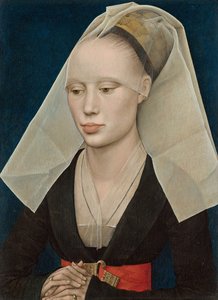
Rogier van der Weyden’s “Francesco d’Este,” completed around 1460, stands as a testament to the artistic fervor of Early Netherlandish painting—a period characterized by profound spiritual contemplation and meticulous realism. This portrait transcends mere likeness; it embodies the ideals of Renaissance nobility intertwined with devout piety, capturing a moment frozen in time with remarkable sensitivity.
The subject is Francesco d’Este, son of Leonello d'Este, Duke of Modena. Commissioned during his formative years, the painting depicts him as a young man embarking on military training—a common practice for aristocratic princes at the time—yet radiating an aura of composure and intellectual curiosity. Van der Weyden skillfully arranges the figure within a richly decorated interior space; Francesco occupies the central position, gazing directly at the viewer with an intense gaze that conveys both confidence and introspection.
Van der Weyden’s signature style—renowned for its unparalleled attention to detail and expressive portrayal of human emotion—is vividly evident in “Francesco d’Este.” Like many of his contemporaries, he adhered to the principles of naturalism championed by Filippo Brunelleschi and Donatello, striving to represent reality with unwavering accuracy. However, unlike purely observational depictions, Van der Weyden infused his canvases with psychological depth, conveying not just what was seen but also what was felt.
The painting’s remarkable luminosity stems from Van der Weyden's masterful use of oil paint—a relatively new medium at the time—allowing for subtle gradations of color and a velvety texture that imbues the scene with palpable warmth. Observe how he renders the folds of Francesco’s shirt with painstaking precision, capturing the interplay of light and shadow to create an illusion of three-dimensionality. The textured wall behind him serves as a counterpoint to the figure's stillness, adding visual interest and reinforcing the painting’s overall sense of grandeur.
Beyond its formal beauty, “Francesco d’Este” carries symbolic significance reflecting the cultural milieu of its time. The inclusion of a ring—a symbol of marital status and social standing—underscores Francesco's noble lineage and aspirations. Furthermore, the serene setting evokes biblical imagery, hinting at the spiritual values upheld by the Este family and highlighting Van der Weyden’s commitment to conveying moral virtue through art.
“Francesco d’Este” remains a cornerstone of Early Netherlandish painting—a masterpiece that continues to inspire admiration for its technical brilliance and emotional resonance. Its enduring appeal lies in Van der Weyden's ability to capture not just the outward appearance of his subject but also the inner spirit, cementing his place as one of the most influential artists of the fifteenth century.

1400 - 1464 , Belgium

Journey into the Early Netherlandish Renaissance! Explore 10 iconic paintings by Jan van Eyck, Rogier van der Weyden & more. Discover stunning detail, symbolism, and oil painting techniques. Find museum-quality art reproductions for your home at Most-Famous-Paintings.com.
Fedezze fel Vincent van Gogh 25 legikonikusabb művét! Ismerje meg a posztimpresszionizmus mesterének érzelmekkel teli festményeit, mint a Csillagos éj és Napraforgók. Műalkotások vásárlása otthoni dekorációhoz – Most-Famous-Paintings.com.

Explore the revolutionary art of Rogier van der Weyden, a pivotal figure of the Early Netherlandish Renaissance. Discover his emotional realism, innovative compositions, and lasting impact on painting history.

Fedezze fel a korai németalföldi festészet 10 legikonikusabb műalkotását! Ismerje meg Jan van Eyck, Bosch és más mesterek történetét, technikáit. Múzeumi minőségű reprodukciók a Most-Famous-Paintings.com-on – inspirálja otthonát klasszikus festményekkel!

Explore the revolutionary art of Hugo van der Goes – a master of Early Netherlandish painting renowned for his dramatic realism, psychological depth & profound influence on Renaissance artists. Discover his iconic works and lasting legacy.


Maradjon naprakész a legfrissebb művészeti hírekkel, exkluzív ajánlatokkal és dekorációs ötletekkel.
Írja le nekünk projektjét, és művészeti szakértőink 3 személyre szabott műalkotási javaslatot készítenek Önnek.
Hagyjuk, hogy mi válogassunk ki Önnek 3 legjobb opciót – Ingyenesen!


 Megtekintés
 Küldés
 Megosztás
 Részletek

 Letöltés
 Hasonló darabok
 X-ray felvétel
 Diavetítés
 Összes részlet megjelenítése







 Az üvegkeretes opció csak 110 cm alatti méretben érhető el