x

 Acrylic On CanvasWallArtEarly Netherlandish
 1455
1455 77.0 x 48.0 cm
 Staatliche Museen zu Berlin
Múzeumi minőségű giclée vagy vászonnyomat, gyors gyártással és rugalmas finomítási lehetőségekkel. ( Kézzel festett másolat rendelése Kép letöltése)





























Válasszon előre meghatározott méreteink közül, amelyek megfelelnek a műalkotás eredeti arányainak.

Megadhat saját méreteket is egy konkrét kerethez vagy helyszínhez igazítva. Amennyiben a kiválasztott méret nem egyezik az eredeti kép arányokkal, a műalkotást le fogjuk vágni, vagy kiegészítjük a képet tükrözött vagy egyszínű szélekkel. A gyártás megkezdése előtt egy digitális tervezetet küldünk jóváhagyásra.
Kérjük, vegye figyelembe, hogy a képernyőn látható előnézet nem tükrözi a tényleges levágást vagy kiegészítést. Csak a tervezet mutatja pontosan a végső kompozíciót.
Bár az egyedi méretek is elérhetőek, az eredeti arányok megőrzése érdekében azt javasoljuk, hogy válasszon a előre meghatározott listából származó méretet.
Világszerte történő kiszállítás területére mindössze 2 hét alatt, a szokásos 4-5 hét helyett. (20 augusztus)


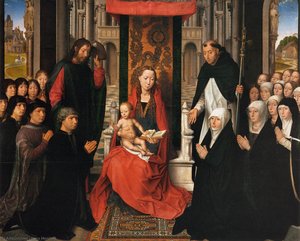
St John Altarpiece (left panel)
Reprodukció mérete
In the quiet, luminous corridors of the Early Netherlandish Renaissance, few moments capture the profound intersection of the human and the divine as exquisitely as Rogier van der Weyden’s St John Altarpiece (left panel). This masterpiece, dating from approximately 1455, serves as a breathtaking window into a sacred narrative, specifically focusing on the birth of Saint John the Baptist. As the viewer gazes upon this panel, they are not merely observing a historical or religious event; they are invited into an intimate, domestic sanctuary where every fold of fabric and every soft shadow whispers of sanctity. The scene is set within a meticulously rendered interior, where the presence of a bed and a simple chair grounds the celestial miracle in a tangible, earthly reality, making the miraculous feel profoundly accessible to the faithful.
The composition is anchored by the tender interaction between the women present, whose medieval attire—richly textured and draped with heavy, sculptural elegance—reflects the artist's unparalleled mastery of form. One woman cradles a newborn with a protective grace, while another stands nearby, her presence adding to the sense of a shared, solemn ceremony. The light in the painting does not merely illuminate; it caresses the skin of the infants and the heavy velvets of the garments, creating a soft, ethereal glow that is characteristic of van der Weyden’s emotive style. This interplay of light and shadow breathes life into the figures, transforming a static religious icon into a living, breathing moment of maternal devotion and spiritual anticipation.
To behold a work by Rogier van der Weyden is to witness the pinnacle of oil painting technique. Having likely trained as a goldsmith, the artist brought an obsessive, reverent attention to detail that revolutionized Northern European art. In this left panel, his ability to render textures—the crispness of linen, the weight of wool, and the delicate smoothness of infant skin—is nothing short of miraculous. This precision serves a higher purpose than mere decoration; it is a vehicle for emotional realism. Unlike the more detached compositions of some of his contemporaries, van der Weyden imbues his subjects with a palpable psychological depth. There is a quiet, contemplative stillness in the room, yet beneath the surface, one can sense the profound weight of the destiny awaiting the child.
For the discerning collector or interior designer, this piece offers more than just historical significance; it provides a focal point of immense character and sophistication. The subtle symbolism embedded within the domestic setting—the clock on the wall marking the passage of mortal time against the eternal nature of the saint's birth—offers layers of intellectual engagement. A high-quality reproduction of this panel brings with it an atmosphere of timelessness and quiet luxury, making it an ideal centerpiece for a space dedicated to reflection, classical elegance, or scholarly pursuit. It is a work that does not shout for attention but commands it through its profound beauty and the silent, powerful storytelling found within its gilded borders.


1400 - 1464 , Belgium

Fedezze fel John Singer Sargent 25 legikonikusabb művészeti alkotását! Portrék, impresszionista stílus és a fény játéka – inspirálódjon Sargent életrajzából és vászonképeiből. Művészeti reprodukciók otthonába a Most-Famous-Paintings-on!
Fedezze fel John Constable 25 legszebb művészeti alkotását! Ismerje meg a romantika ikonikus tájképeit, Dedham Vale szépségét és a természet lenyűgöző ábrázolásait. Vászonkép reprodukcióinkkal eleganciát csempészhet otthonába – Most-Famous-Paintings.com

Journey through High Medieval Art! Explore 10 iconic masterpieces – from Giotto's frescoes to stunning Gothic cathedrals. Discover the stories behind these timeless paintings, sculptures & illuminated manuscripts. Find museum-quality art reproductions at Most-Famous-Paintings.com.

Fedezze fel El Greco 25 leglenyűgözőbb művészeti alkotását! Ismerje meg a spanyol reneszánsz és manierizmus mesterét, festményeinek történetét és spirituális mélységét. Luxus reprodukciók – Most-Famous-Paintings.com.

Journey through 10 defining Late Medieval masterpieces – from Giotto's frescoes to Jan van Eyck’s realism. Explore the stories, techniques & vibrant colors of Gothic art. Find museum-quality reproductions and elevate your home decor with Most-Famous-Paintings.com! Discover all masterpieces on Most-Famous-Paintings.com


Maradjon naprakész a legfrissebb művészeti hírekkel, exkluzív ajánlatokkal és dekorációs ötletekkel.
Írja le nekünk projektjét, és művészeti szakértőink 3 személyre szabott műalkotási javaslatot készítenek Önnek.
Hagyjuk, hogy mi válogassunk ki Önnek 3 legjobb opciót – Ingyenesen!


 Megtekintés
 Küldés
 Megosztás
 Részletek

 Letöltés
 Hasonló darabok
 X-ray felvétel
 Diavetítés
 Összes részlet megjelenítése







 Az üvegkeretes opció csak 110 cm alatti méretben érhető el