x

Kézzel festett olajvastú vászon, az Ön által választott méretben és keretben, művészeink készítik meglévőre. ( Nyomat rendelése Kép letöltése)





























Válasszon előre meghatározott méreteink közül, amelyek megfelelnek a műalkotás eredeti arányainak.

Ön megadhat saját méreteket egy adott kerethez vagy térhez igazításhoz. Ha a kiválasztott méret nem egyezik az eredeti kép arányával, akkor a műalkotást levágjuk, vagy további kézzel festett elemekkel meghosszabbítjuk a festményt. A gyártás megkezdése előtt küldünk Önnek egy digitális előnézetet jóváhagyásra.
Kérjük, vegye figyelembe, hogy a képernyőn megjelenő előnézet nem tükrözi a tényleges vágást vagy kiterjesztést. Csak az előnézet fog pontosan mutatni a végső kompozíciót.
Bár egyedi méretek állnak rendelkezésre, javasoljuk, hogy válasszon egy méretet az előre meghatározott listából az eredeti arányok megőrzése érdekében.
Világszerte elérhető szállítás () 3-4 hét alatt a szokásos 5 hét helyett. (14 augusztus). A minőség nem kérdőjelezhető.


Bugs Bunny
Reprodukció mérete
Roy Lichtenstein’s “Bugs Bunny” isn’t merely a depiction of the iconic cartoon character; it’s a meticulously crafted embodiment of the Pop Art movement’s revolutionary approach to imagery and representation. Executed in 1957, this painting captures Bugs Bunny in a moment of calculated menace – his open mouth, exaggerated teeth, and piercing gaze transforming the beloved rabbit into a potent symbol of American popular culture. The work stands as a testament to Lichtenstein's ability to elevate everyday subjects—in this case, a cartoon character—to the level of high art, challenging traditional notions of artistic merit and demanding attention to the visual language of mass media.
“Bugs Bunny” is deeply embedded within the context of 1950s America, a period defined by burgeoning consumer culture, mass media saturation, and the rise of popular entertainment. Bugs Bunny himself was—and remains—a cornerstone of this cultural landscape, representing irreverence, cunning, and ultimately, American ingenuity. Lichtenstein’s choice to depict him in an aggressive pose – a rare moment of vulnerability for the typically cheerful character – adds another layer of complexity. This deliberate subversion of the cartoon's established persona speaks to Pop Art’s broader critique of idealized representations and its embrace of the commonplace.
Created in 1957, “Bugs Bunny” emerged during a pivotal moment in art history. Roy Lichtenstein was at the forefront of the Pop Art movement, alongside artists like Andy Warhol and Claes Oldenburg. This movement challenged the dominance of Abstract Expressionism and sought to engage with contemporary culture through the appropriation of imagery from advertising, comic books, and popular media. Lichtenstein’s work has had a profound influence on subsequent generations of artists, solidifying his place as one of the 20th century's most important and influential figures. This reproduction offers a direct connection to this groundbreaking artistic movement, allowing you to experience Lichtenstein's innovative approach firsthand.


1923 - 1997 , Egyesült Államok

Explore the psychological depth of Roy Lichtenstein's color theory. An expert analysis for art students and collectors on Ben-Day dots, primary palettes, and the intersection of Pop Art with mass media history.
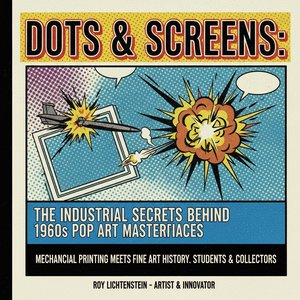
Explore the industrial secrets of 1960s Pop Art. Discover how Ben-Day dots and silk screening transformed mass media into masterpieces by Roy Lichtenstein. An in-depth look at the intersection of mechanical printing and fine art history for students and collectors.


Maradjon naprakész a legfrissebb művészeti hírekkel, exkluzív ajánlatokkal és dekorációs ötletekkel.
Írja le nekünk projektjét, és művészeti szakértőink 3 személyre szabott műalkotási javaslatot készítenek Önnek.
Hagyjuk, hogy mi válogassunk ki Önnek 3 legjobb opciót – Ingyenesen!


 Megtekintés
 Küldés
 Megosztás
 Részletek

 Letöltés
 Hasonló darabok
 X-ray felvétel
 Diavetítés

 Összes részlet megjelenítése







 Az üvegkeretes opció csak 110 cm alatti méretben érhető el