x

Kézzel festett olajvastú vászon, az Ön által választott méretben és keretben, művészeink készítik meglévőre. ( Switch to Print Switch to Image)





























Válasszon előre meghatározott méreteink közül, amelyek megfelelnek a műalkotás eredeti arányainak.

Ön megadhat saját méreteket egy adott kerethez vagy térhez igazításhoz. Ha a kiválasztott méret nem egyezik az eredeti kép arányával, akkor a műalkotást levágjuk, vagy további kézzel festett elemekkel meghosszabbítjuk a festményt. A gyártás megkezdése előtt küldünk Önnek egy digitális előnézetet jóváhagyásra.
Kérjük, vegye figyelembe, hogy a képernyőn megjelenő előnézet nem tükrözi a tényleges vágást vagy kiterjesztést. Csak az előnézet fog pontosan mutatni a végső kompozíciót.
Bár egyedi méretek állnak rendelkezésre, javasoljuk, hogy válasszon egy méretet az előre meghatározott listából az eredeti arányok megőrzése érdekében.
Világszerte elérhető szállítás () 3-4 hét alatt a szokásos 5 hét helyett. (29 július). A minőség nem kérdőjelezhető.


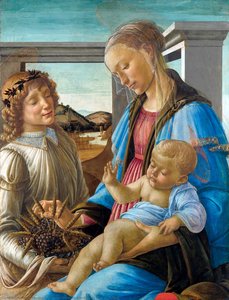
Angel
A reprodukció mérete
Sandro Botticelli's “Angel,” painted circa 1475–85, stands as a cornerstone of Florentine Renaissance art—a testament to the era’s fascination with classical ideals and its profound spiritual contemplation. More than just a depiction of an angelic figure, this artwork embodies the humanist spirit that characterized the period, reflecting Botticelli's masterful command of color, line, and composition.
Subject Matter & Composition: The painting portrays an angel—specifically, a woman—positioned on the left side of the canvas. Her gaze directs upwards, suggesting contemplation and aspiration. Alongside her stands a man, though his role appears secondary to the angelic presence. Botticelli skillfully employs pyramidal composition, grounding the figure in stability while simultaneously elevating it towards the heavens.
Style & Technique: Botticelli’s style is instantly recognizable for its delicate lines, soft pastel hues, and graceful curves—a deliberate departure from the harsher realism favored by earlier artists. He utilizes tempera paint on panel, a technique known for its luminosity and ability to achieve subtle tonal variations. The meticulous attention to detail evident in the angel's drapery and hair demonstrates Botticelli’s dedication to capturing idealized beauty.
Historical Context: Created during Lorenzo de Medici’s reign—the “Magnificent Florentine”—“Angel” reflects the burgeoning humanist movement that championed reason, observation, and artistic excellence. The rediscovery of classical sculpture and literature fueled a desire for harmony and proportion, influencing artists like Botticelli to strive for perfection in their representations of human form and divine grace. As evidenced by research links provided, similar works such as “Virgin and Child with an Angel” showcase the same stylistic trends.
Symbolism & Emotional Impact: The angel’s upward gaze symbolizes spiritual enlightenment and transcendence—a core belief within Renaissance Christianity. Botticelli's portrayal of femininity embodies ideals of purity and virtue, aligning with prevailing moral sensibilities of the time. Viewing “Angel” evokes a sense of serenity and wonder, inviting contemplation on themes of faith, beauty, and divine inspiration. The artwork’s enduring appeal lies in its ability to communicate profound emotions through understated elegance.
Further Exploration: For those interested in delving deeper into Botticelli's artistic legacy, examining works like “Santa Maria degli Angeli” – a monumental church designed by Michelangelo—offers invaluable insight into the broader context of Renaissance architectural innovation and artistic patronage. Similarly, exploring Francesco Rosselli’s masterful depictions of biblical narratives exemplifies the stylistic influences shaping Florentine art during this transformative era.

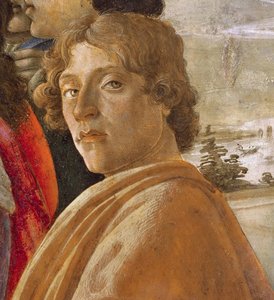
1445 - 1510 , Olaszország
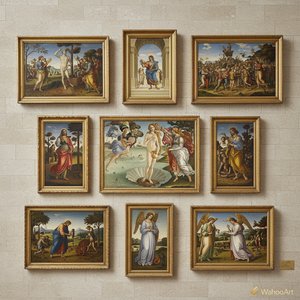
Fedezze fel a korai reneszánsz 10 legikonikusabb műalkotását! Leonardo, Michelangelo és Botticelli remekművei elmesélnek egy új korszak történetét. Vászonképek, faliképek – inspirálódjon Most-Famous-Paintings.com-on!
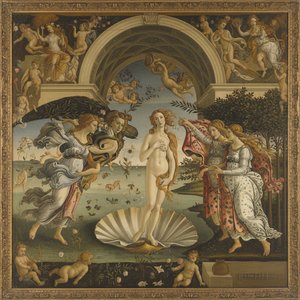
Fedezze fel Sandro Botticelli 25 legpazarabb műalkotását! Merüljön el a reneszánsz festészet világában, ismerje meg a Primavera és Vénusz születése történetét. Museum-minőségű reprodukciók és inspiráló dekorációs ötletek a Most-Famous-Paintings.com oldalon.
Explore the Italian Renaissance! Discover how competitive patronage & humanist ideals fueled artistic innovation in republics like Florence & Venice. Expert insights for art lovers and collectors.

Explore the enduring legacy of artists through history! Discover key themes, techniques & cultural impact. Expert art consultation, custom reproductions & appraisal services at Most-Famous-Paintings.

Explore the captivating history of angels in art! Discover symbolism, iconic Renaissance masterpieces & renowned artists. Expert insights for art lovers & collectors at Most-Famous-Paintings.


Maradjon naprakész a legfrissebb művészeti hírekkel, exkluzív ajánlatokkal és dekorációs ötletekkel.
Írja le nekünk projektjét, és művészeti szakértőink 3 személyre szabott műalkotási javaslatot készítenek Önnek.
Hagyjuk, hogy mi válogassunk ki Önnek 3 legjobb opciót – Ingyenesen!


 Preview
 Megosztás
 Megosztás
 Részletek

 Letöltés
 Hasonló alkotások
 X-ray felvétel
 Diavetítés
 Tovább olvasom







 Az üvegkeretes opció csak 110 cm alatti méretben érhető el