x


 Készíttetnék festményként Kép letöltése
 Megosztás
 Részletek
 Kedvencekhez ad
 Letöltés
 Hasonló alkotások
 X-ray felvétel
 Diavetítés
Múzeumi minőségű giclée vagy vászonnyomat, gyors gyártással és rugalmas finomítási lehetőségekkel.





























Válasszon előre meghatározott méreteink közül, amelyek megfelelnek a műalkotás eredeti arányainak.

Megadhat saját méreteket is egy konkrét kerethez vagy helyszínhez igazítva. Amennyiben a kiválasztott méret nem egyezik az eredeti kép arányokkal, a műalkotást le fogjuk vágni, vagy kiegészítjük a képet tükrözött vagy egyszínű szélekkel. A gyártás megkezdése előtt egy digitális tervezetet küldünk jóváhagyásra.
Kérjük, vegye figyelembe, hogy a képernyőn látható előnézet nem tükrözi a tényleges levágást vagy kiegészítést. Csak a tervezet mutatja pontosan a végső kompozíciót.
Bár az egyedi méretek is elérhetőek, az eredeti arányok megőrzése érdekében azt javasoljuk, hogy válasszon a előre meghatározott listából származó méretet.
Világszerte történő kiszállítás területére 2 hét alatt, a szokásos 4-5 hét helyett. 22 július


Primavera - (15)
A reprodukció mérete
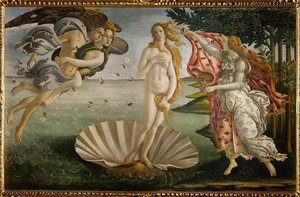
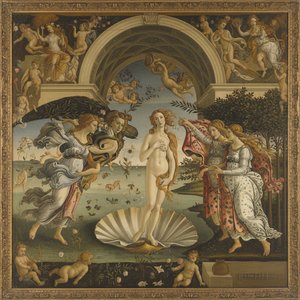
Sandro Botticelli’s “Primavera,” completed around 1482, stands as one of the most beloved paintings of the Early Renaissance—a visual poem capturing the essence of springtime and embodying humanist ideals. Commissioned by Lorenzo Medici for his wedding celebration, this masterpiece transcends mere depiction; it's an invitation to contemplate beauty, fertility, and the harmonious balance between humanity and nature.
The painting depicts nine figures arranged in a circular grove beneath a blossoming almond tree. At its center stands Venus, goddess of love and beauty, attended by Zephyr and Chloris—the West Wind and Flora, the goddess of flowers—who bring forth blossoms from the barren branches. Surrounding them are the Three Graces – Kore, Thalia, Euphrosyne – dancing joyously, symbolizing youthful exuberance and grace. Apollo, accompanied by Selene, watches over the scene, representing intellect and divine illumination.
Botticelli's mastery lies in his exquisitely refined technique—a hallmark of Florentine painting during this period. Employing tempera on poplar wood, he achieved astonishing luminosity and detail through meticulous layering of translucent glazes. This method allowed him to capture the ethereal quality of light and color, creating an atmosphere that is both serene and vibrant. Observe how Botticelli skillfully renders the textures of petals, drapery, and skin with remarkable precision—a testament to his dedication to anatomical accuracy informed by classical observation.
"Primavera" draws heavily upon imagery from Greek mythology, reflecting the humanist revival that characterized Renaissance Florence. The almond tree symbolizes rebirth and fertility, mirroring the cyclical rhythms of nature and aligning with Christian beliefs about resurrection. Each figure embodies specific virtues—love, joy, harmony, and beauty—representing aspirations for human flourishing. The inclusion of Apollo and Selene underscores the importance of reason and divine guidance in achieving spiritual enlightenment.
More than just a visual spectacle, “Primavera” communicates profound emotional resonance. Its tranquil composition evokes feelings of peace, optimism, and wonder—a celebration of life’s transformative power. Botticelli's idealized figures radiate grace and serenity, inviting viewers to contemplate the sublime beauty of the natural world and the pursuit of moral excellence. It remains a timeless emblem of Renaissance artistic achievement and continues to inspire admiration for its exquisite craftsmanship and evocative symbolism.

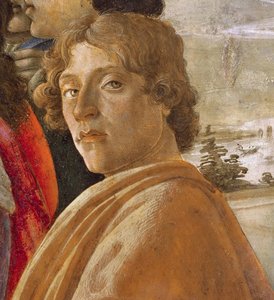
1445 - 1510 , Olaszország
Fedezze fel Sandro Botticelli 25 legpazarabb műalkotását! Merüljön el a reneszánsz festészet világában, ismerje meg a Primavera és Vénusz születése történetét. Museum-minőségű reprodukciók és inspiráló dekorációs ötletek a Most-Famous-Paintings.com oldalon.

Explore the captivating history of mythological narratives in Western art! From ancient Greece to modern masterpieces, discover iconic artworks & symbolism. Expert analysis and high-quality reproductions at Most-Famous-Paintings.

Explore the revival of classical art with our deep dive into Neoclassicism! Discover key artists like Jacques-Louis David, Enlightenment influences & lasting impact on art history. Learn more now.

Felfedezze a kortárs festészet mélyebb rétegeit! Elemzünk szimbolikus képi reprezentációkat, egyéni mítoszokat és művészeti technikákat. Műgyűjtőknek és művészetkedvelőknek egyaránt.

Explore the fascinating history of art collectors in Western painting, from Renaissance patrons to modern museum founders. Discover how portraits revealed status, shaped artistic movements & built lasting legacies. Expert insights at Most-Famous-Paintings.


Maradjon naprakész a legfrissebb művészeti hírekkel, exkluzív ajánlatokkal és dekorációs ötletekkel.
Írja le nekünk projektjét, és művészeti szakértőink 3 személyre szabott műalkotási javaslatot készítenek Önnek.
Hagyjuk, hogy mi válogassunk ki Önnek 3 legjobb opciót – Ingyenesen!


 Megosztás


 Tovább olvasom







 Az üvegkeretes opció csak 110 cm alatti méretben érhető el