Értékelje át műveit
Kedvencek listája Kosár tartalma Cart
x
MegtekintésMegtekintés Műalkotás AR előnézeteMűalkotás AR előnézete Kézzel festett másolat rendelése Kézzel festett másolat rendeléseKép letöltése Kép letöltése KüldésKüldés
RészletekRészletek Kedvencekhez ad Kedvencekhez ad LetöltésLetöltés Hasonló darabokHasonló darabok X-ray felvételX-ray felvétel DiavetítésDiavetítés

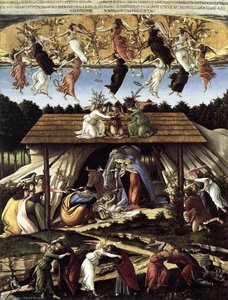
The Annunciation

The Annunciation by Sandro Botticelli depicts Gabriel informing Mary about Jesus's imminent birth. Featuring angelic wings and serene colors, this masterpiece captures the spiritual essence of the biblical narrative within a Florentine home setting.

Fedezd fel Sandro Botticelli (1445-1510) reneszánsz mesterét! Kiemelő stílusa, mitológiai témái és örökös hatása a művészet történelemre. 'Születés Nővényéből' és 'Tavasz' ikonikus alkotásai!

Giclée / Műnyomat

Múzeumi minőségű giclée vagy vászonnyomat, gyors gyártással és rugalmas finomítási lehetőségekkel. (Kézzel festett másolat rendelése Kézzel festett másolat rendeléseKép letöltése Kép letöltése)

P118B $10
P118H $10
P118W $10
P438Z $10
P508JH $12
P508YH $12
P805H $10
P805Z $10
P919BZ $10
P919G $10
P919XJ $10
P959ZH $10
P968JZ $12
W106C $8
W218G $10
W218JH $8
W218Y $10
W307PJ $10
W316G $10
W316PJ $8
W316Y $10
W398PJ $8
W4111J $10
W500HY $15
W500JH $15
W692G $12
W849H $8
W940BG $15
W953PJ $8

Standard
custom
CM
INCH

Válasszon előre meghatározott méreteink közül, amelyek megfelelnek a műalkotás eredeti arányainak.

szélesség
magasság

Megadhat saját méreteket is egy konkrét kerethez vagy helyszínhez igazítva. Amennyiben a kiválasztott méret nem egyezik az eredeti kép arányokkal, a műalkotást le fogjuk vágni, vagy kiegészítjük a képet tükrözött vagy egyszínű szélekkel. A gyártás megkezdése előtt egy digitális tervezetet küldünk jóváhagyásra.
Kérjük, vegye figyelembe, hogy a képernyőn látható előnézet nem tükrözi a tényleges levágást vagy kiegészítést. Csak a tervezet mutatja pontosan a végső kompozíciót.
Bár az egyedi méretek is elérhetőek, az eredeti arányok megőrzése érdekében azt javasoljuk, hogy válasszon a előre meghatározott listából származó méretet.

Világszerte történő kiszállítás területére mindössze 2 hét alatt, a szokásos 4-5 hét helyett. (21 augusztus)

why_choose_icon
Ingyenes globális expressz szállítás
why_choose_icon
Prémium minőségű len vászon
why_choose_icon
Teljes körű szállítási biztosítás
why_choose_icon
Vámvisszatérítési Garancia
why_choose_icon
Hiteles színpontosság garancia
why_choose_icon
60 napos visszaküldési lehetőség (csak hibás termékek esetén)
why_choose_icon
100% pénzvisszatérítési garancia
why_choose_icon
Több darab vásárlása esetén kedvezmény

Összesített ár

$ 68

reproduction

The Annunciation

Giclée / Műnyomat

Reprodukció mérete

-

Összesített ár

$ 68

Gyors információk

  • Notable elements or techniques: Winged figures, Delicate brushstrokes
  • Year: 1500
  • Subject or theme: Religious narrative
  • Artistic style: Idealized beauty
  • Influences: Humanism
  • Title: The Annunciation
  • Dimensions: 45 x 13 cm

Gyűjthető leírása

Botticelli’s Reverie: Decoding The Annunciation

The fresco of “The Annunciation,” executed by Sandro Botticelli around 1500 in Florence, Italy, remains an emblem of Early Renaissance artistic idealism—a testament to humanist values intertwined with profound spiritual contemplation. Originally adorning the loggia of San Martino Hospital’s church, Santa Maria della Scala, this monumental artwork transcends mere depiction; it strives to embody a transcendent vision of divine grace and human humility.

A Style Defined by Delicate Linearity

Botticelli's signature style is instantly recognizable: characterized by graceful linearity and ethereal pastel hues—primarily blues and greens—the fresco eschews the dramatic chiaroscuro favored by artists like Michelangelo, opting instead for a luminous diffusion of light that softens contours and imbues the scene with an atmosphere of serene tranquility. This deliberate restraint in tonal range contributes significantly to the painting’s overall impression of serenity and spiritual purity. Botticelli's meticulous attention to detail—evident in the exquisitely rendered drapery folds and the delicately sculpted faces—underscores his mastery of artistic technique.

Historical Context: Florence Under Medici Patronage

The fresco emerged during a period of unprecedented cultural flourishing under the patronage of Lorenzo de’ Medici, “Il Magnifico,” whose influence extended far beyond political leadership into the realm of artistic innovation. Botticelli was among the foremost artists employed by the Medici family—a relationship that fostered experimentation and propelled Florentine art to new heights. The Annunciation reflects the humanist preoccupation with classical ideals—particularly those expressed in Greek mythology—manifesting itself in subtle references to angelic messengers and biblical narratives.

Symbolism: Angels, Mary, and Divine Revelation

The fresco’s symbolism is layered and multifaceted. Gabriel, depicted as a radiant angel bearing the olive branch symbolizing peace, delivers the momentous announcement of Jesus's birth to Mary—a figure portrayed with serene dignity and compassion. The dove hovering above represents the Holy Spirit—the divine force animating creation and guiding humanity toward spiritual enlightenment. Botticelli’s masterful composition directs the viewer’s gaze upward, emphasizing the celestial realm and conveying the profound significance of divine revelation.

Emotional Impact: Beauty as Spiritual Expression

Ultimately, “The Annunciation” succeeds in capturing a powerful emotional resonance—a palpable sense of wonder and reverence for the sacred mysteries of faith. Botticelli's artistic vision transcends mere representation; it aspires to evoke contemplation and inspire awe—demonstrating that beauty itself can serve as a conduit for spiritual experience. Its enduring appeal testifies to the timeless power of art to illuminate the human condition and elevate our understanding of the divine.
  • Artist: Sandro Botticelli
  • Year: 1500
  • Location: Santa Maria della Scala Hospital, Florence

A művész életrajza

Early Life and Florentine Beginnings

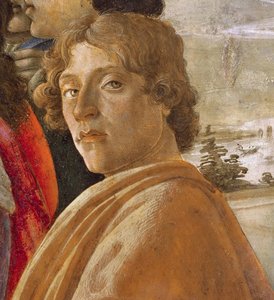
Sandro Botticelli, born Alessandro di Mariano di Vanni Filipepi around 1445 in Florence, Italy, emerged during a period of extraordinary cultural ferment—the Early Renaissance. His life was deeply rooted in the city’s artistic and social fabric; he never strayed far from his neighborhood of Ognissanti, a testament to both familial ties and the vibrant creative ecosystem that nurtured him. His father, Mariano Filipepi, initially a goldsmith and later a tanner, provided an early exposure to craftsmanship and meticulous detail—qualities that would profoundly influence Botticelli’s artistic approach. Though initial reports suggested training as a goldsmith, he soon found his calling under the tutelage of Fra Filippo Lippi, a leading painter of the time. This apprenticeship proved pivotal, immersing him in the techniques and aesthetics of the Florentine school while also connecting him to influential patrons like the Medici family. Botticelli’s nickname, ‘Botticelló,’ is believed to have originated from his small stature – a fitting description for the artist who would later create works of such monumental beauty.

A Style Defined by Grace and Myth

Botticelli’s artistic style is instantly recognizable for its lyrical beauty, characterized by elegant linearity, flowing contours, and a delicate use of color. He masterfully bridged the gap between the late Gothic traditions and the burgeoning Renaissance aesthetic, absorbing influences from masters like Fra Angelico and Paolo Uccello yet forging a uniquely personal vision. His figures possess an ethereal quality, often depicted with elongated proportions and graceful poses that convey both serenity and a subtle melancholy. A defining feature of his work is the frequent incorporation of classical mythology—a reflection of the humanist interests sweeping through Renaissance Florence. He didn’t merely illustrate these ancient tales; he imbued them with new layers of meaning, exploring themes of love, beauty, and spiritual longing. Botticelli's technique was innovative for its time. He often employed a silverpoint drawing method underpainting his canvases, contributing to the luminosity and delicate detail seen in his finished works. His use of tempera paint allowed for precise rendering and vibrant colors, while his later experiments with oil paints broadened his expressive possibilities.

Iconic Masterpieces and Artistic Development

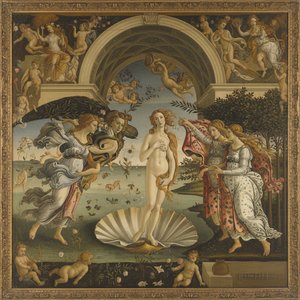
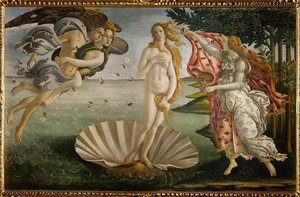
Botticelli’s legacy rests upon a handful of iconic paintings that continue to captivate audiences centuries later. The Birth of Venus, completed around 1486, stands as perhaps his most celebrated work—an allegorical depiction of the goddess emerging from a seashell, embodying Renaissance ideals of beauty and harmony. The painting’s graceful composition, delicate color palette, and evocative symbolism have made it an enduring symbol of the era. Equally renowned is Primavera, created around 1482, a complex and enigmatic painting celebrating spring and love, populated with symbolic figures drawn from classical mythology. These works showcase Botticelli’s mastery of composition, his ability to create atmospheric depth, and his profound understanding of human emotion. His early work often focused on religious subjects, honing his technical skills and establishing a reputation for skillful execution. The 1480s marked the peak of his creative powers, with the creation of these mythological masterpieces. However, the late 1490s witnessed a shift in his style, influenced by the fervent preaching of Girolamo Savonarola—a Dominican friar who condemned what he saw as the decadence and moral corruption of Florence. This period resulted in more austere and emotionally charged works, reflecting a growing spiritual intensity.

Historical Significance and Rediscovery

Following his death in 1510, Botticelli’s reputation gradually faded into obscurity. For nearly three centuries, his work was largely forgotten, overshadowed by the achievements of High Renaissance masters like Leonardo da Vinci and Michelangelo. However, a remarkable rediscovery occurred in the late 19th century with the rise of the Pre-Raphaelite Brotherhood—a group of English artists who rejected academic conventions and sought inspiration in the art of the early Italian Renaissance. They were captivated by Botticelli’s linear grace, vibrant colors, and poetic sensibility, recognizing him as a kindred spirit. This renewed appreciation sparked a widespread reassessment of his work, establishing him as one of the most important artists of the Early Renaissance. Today, Botticelli is celebrated for his unique artistic vision, his masterful technique, and his enduring ability to evoke beauty, emotion, and spiritual contemplation. His influence can be seen in subsequent generations of artists who have sought to capture the same sense of grace and elegance in their own work. He remains a symbol of Florentine artistic achievement and a testament to the power of Renaissance humanism.

Major Works

  • The Birth of Venus (c. 1486): An iconic depiction embodying Renaissance ideals of beauty.
  • Primavera (c. 1482): A complex allegorical painting celebrating spring and love.
  • Adoration of the Magi (1475-1476): Demonstrates early mastery of composition and perspective.
  • Mystic Nativity (1501): Reflects a shift towards spiritual themes in his later career.
Botticelli

Botticelli

1445 - 1510 , Olaszország

A művészről röviden

  • Artistic Movement Or Style: Korai reneszánsza
  • Artists Or Movements Influenced By This Artist: ['Pre-Raffaellit']
  • Artists Who Influenced This Artist:
    • Fra Filippo Lippi
    • Paolo Uccello
  • Date Of Birth: 1445 körül
  • Date Of Death: 1510
  • Full Name: Alessandro di Mariano Filipepi
  • Nationality: Olasz
  • Notable Artworks:
    • Születés Zeppirinnél
    • Tavasz
    • Szentek imádása
  • Place Of Birth: Firenze, Olaszország
Fedezze fel a műalkotásokat témák, stílusok és jellemzők szerint csoportosítva.