


x


 Oil On CanvasWallArtFrench Baroque
 1617
1617 95.0 x 135.0 cm
 Galleria Nazionale d’Arte Antica
Múzeumi minőségű giclée vagy vászonnyomat, gyors gyártással és rugalmas finomítási lehetőségekkel. ( Switch to hand made Painting Switch to Image)





























Válasszon előre meghatározott méreteink közül, amelyek megfelelnek a műalkotás eredeti arányainak.

Megadhat saját méreteket is egy konkrét kerethez vagy helyszínhez igazítva. Amennyiben a kiválasztott méret nem egyezik az eredeti kép arányokkal, a műalkotást le fogjuk vágni, vagy kiegészítjük a képet tükrözött vagy egyszínű szélekkel. A gyártás megkezdése előtt egy digitális tervezetet küldünk jóváhagyásra.
Kérjük, vegye figyelembe, hogy a képernyőn látható előnézet nem tükrözi a tényleges levágást vagy kiegészítést. Csak a tervezet mutatja pontosan a végső kompozíciót.
Bár az egyedi méretek is elérhetőek, az eredeti arányok megőrzése érdekében azt javasoljuk, hogy válasszon a előre meghatározott listából származó méretet.
Világszerte történő kiszállítás területére 2 hét alatt, a szokásos 4-5 hét helyett. 28 július


The Fortune Teller
A reprodukció mérete
Simon Vouet's "The Fortune Teller," painted in 1617, isn’t merely a portrait; it’s a carefully constructed tableau brimming with intrigue and a palpable sense of the mystical. Housed within the venerable Galleria Nazionale d’Arte Antica in Rome, this oil on canvas invites viewers into a dimly lit chamber where the boundaries between reality and prophecy blur. Vouet, a pivotal figure bridging the Mannerist and Baroque eras, masterfully employs chiaroscuro – the dramatic interplay of light and shadow – to draw our attention to the central figures and imbue the scene with an almost theatrical intensity.
The composition itself is deliberately layered. At its heart sits a man, his features obscured by a wide-brimmed hat and a flowing beard, engaged in a hushed conversation. He holds an open book, seemingly offering guidance or revealing secrets. Flanking him are two women, their attire – one clad in vibrant red, the other in deep blue – adding splashes of color to the predominantly dark palette. Their attentive gazes suggest they are both recipients and observers of this unfolding drama. The background, rendered in muted tones, serves primarily as a backdrop, emphasizing the figures and creating an atmosphere of hushed anticipation.
Vouet’s technique is a fascinating blend of influences. He absorbed the dramatic lighting favored by Caravaggio, but tempered it with a more refined elegance characteristic of French portraiture. Notice how light pools around the faces and hands, highlighting their expressions and gestures while leaving much of the scene shrouded in shadow. This creates a sense of depth and mystery, inviting speculation about the events taking place within the room. The brushstrokes are smooth and blended, contributing to the painting’s overall polished appearance – a hallmark of Vouet's style.
The use of *sfumato*, another technique borrowed from Leonardo da Vinci, is subtly present, softening edges and creating an atmospheric haze that further enhances the sense of depth. Vouet wasn’t simply replicating Caravaggio; he was adapting his innovations to suit the evolving tastes of the French court, resulting in a uniquely sophisticated style.
"The Fortune Teller" is steeped in symbolism, reflecting the prevailing fascination with astrology, divination, and the occult during the early 17th century. The book held by the central figure likely represents knowledge, prophecy, or perhaps even fate itself. The women, often interpreted as representing fortune tellers or advisors, are positioned to receive this information. The red and blue garments could symbolize different types of wisdom or guidance – a common motif in Renaissance art.
Painted during a period of significant artistic transition in France, Vouet’s work exemplifies the shift from the rigid formality of Mannerism towards the more dynamic and emotionally expressive style of the Baroque. His patronage by influential figures like Cardinal Richelieu helped establish him as one of the leading artists of his time, shaping the course of French painting for decades to come.
The enduring appeal of “The Fortune Teller” lies in its ability to evoke a sense of mystery and intrigue. It’s a scene ripe with narrative possibilities, prompting viewers to imagine the story behind the figures and their exchange. Today, high-quality reproductions of this captivating artwork are available through Most-Famous-Paintings.com, meticulously crafted using traditional oil painting techniques and premium materials, ensuring that the drama and emotional depth of Vouet's original masterpiece are faithfully preserved. These reproductions offer a beautiful way to bring this iconic work into your home or office – a testament to the enduring power of art.
For further exploration, consider visiting the Galleria Nazionale d’Arte Antica in Rome or delving into online resources like the Web Gallery of Art (The Fortune Teller by VOUET, Simon) and exploring Valentin de Boulogne's work for a deeper understanding of Caravaggio’s influence.

Simon Vouet neve szorosan összefonódik a francia festészet átalakulásával, a manierizmustól a barokk felé vezető úton. 1590-ben Párizsban született, egy művészcsaládban – apja, Laurent Vouet is festő volt, és testvére, Aubin szintén a művészetet választotta –, ami kedvező alapot teremtett számára a későbbi sikerekhez. Unokája, Ludovico Dorigny továbbviszi a család művészi hagyományát. A 17. századi francia udvar és arisztokrácia ízlését tükröző Vouet munkássága ma is lenyűgöző erejével hat ránk.
Vouet festői karrierje a portréfestéssel kezdődött, hamarosan megmutatva tehetségét. Már 14 évesen Angliába utazott egy megbízásnak köszönhetően, ahol portrét kellett festenie, ami bebizonyította a növekvő hírnevét. 1611-ben csatlakozott Baron de Sancy francia követ küldöttségéhez az Oszmán Birodalomba, ismét portréfestési megbízásokra. Ez a kalandos utazás Konstantinápolyon át vezetette őt Velencébe, 1612-ben. A római időszak (1614-1627) azonban igazi fordulatot hozott életében. Tizenhány évet töltött Rómában, a virágzó barokk művészeti szcéna közepén.
Olaszországban Vouet számos hatás forrása közül merített. Caravaggio drámai megvilágításának technikáját tanulmányozta, magára ötvözve az olasz manierizmus elemeit, és alaposan vizsgálta Paolo Veronese által alkalmazott színpalettákat és a di sotto in su (felülnéző perspektíva) eljárást. Carracci, Guercino, Lanfranco és Guido Reni művészete is inspirálta, amelyeket egyedi művészi látásmódjába integrált.
Római sikerei csúcspontja a híres Accademia di San Luca elnöki tisztségének megszerzése volt (1624), ami bizonyította a római művészeti világban szerzett elismerését. Vouet stílusa azon képességéről tanúskodott, hogy képes befogadni és átalakítani a különböző művészi befolyásokat. Nem csupán másolt, hanem ezek az elemek egy koherens, distinctly olasz barokk esztétikába olvadtak. Franciaországba való visszatérése (1627) után kulcsszerepet játszott az olasz barokk stílus bevezetésében a francia festészetbe, jelentősen befolyásolva az ország művészeti táját.
Vouet Premier peintre du Roi (a király első festője) cím elnyerése hatalmas presztízst és befolyást biztosított számára. Nagy, aktív műhelyt tartott fenn, számos művészt képezve ki, akik a következő generáció francia festőit formálták. Legkiemelkedőbb tanítványai közé tartozott Charles Le Brun (aki később a versailles-i dekoratív festészetet szervezte), Valentin de Boulogne, Charles Alphonse du Fresnoy, Pierre Mignard, Eustache Le Sueur és Claude Mellan. Vouet hatása nem csupán saját műveire korlátozódott; tanítványai stílusát és technikáit Franciaországban terjesztették, létrehozva egy distinct barokk festészeti iskola.
Simon Vouet öröksége abban rejlik, hogy sikeresen hidat épített az olasz és a francia művészet között. A dinamizmus és pompa olasz barokkját Franciaország ízléséhez igazította, ami a királyi udvar és az arisztokrácia kedveltségét nyerte el. Hatása vitathatatlan a 17. századi francia festészet fejlődésében, és hozzájárulásai ma is elismerik a művészettörténészek.

1590 - 1649 , Franciaország

Explore the life & art of Simon Vouet, a pivotal French Baroque painter who introduced Italian styles to France. Discover his masterpieces and lasting influence on 17th-century art.

Fedezze fel Claude Monet 25 legikonikusabb mesterművét! Ismerje meg az impresszionizmus zseniális festőjének történetét, a fény és szín varázsát. Vásároljon exkluzív reprodukciókat otthona dekorációjához a Most-Famous-Paintings.com-on!
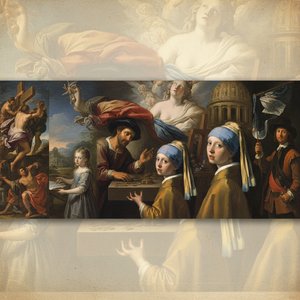
Fedezze fel a barokk művészet 10 legpártosabb remekművét! Caravaggio, Rembrandt és Vermeer alkotásainak története – Most-Famous-Paintings.com kínálatában exkluzív reprodukciók és inspiráló dekorációs ötletek várják Önt. Nézze meg most!

Fedezze fel a barokk festészet 10 legikonikusabb művét! Caravaggio, Rembrandt, Rubens és Vermeer remekművei – történetükkel, technikájukkal. Luxus otthon dekoráció inspirációk, olajfestmény reprodukciók magas minőségben. Most-Famous-Paintings.com: a barokk stílus szépsége online!
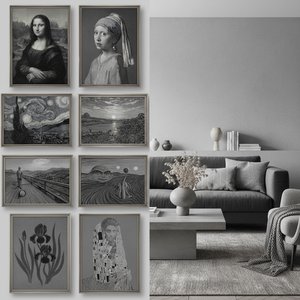
Fedezze fel a 10 legikonikusabb szürke árnyalatok festményét! Munch, Van Gogh, Monet és más mesterek művészettörténeti remekművei. Inspirálódjon otthon dekorációjához és vásárolja meg kedvenc reprodukcióit a Most-Famous-Paintings.com-on!


Maradjon naprakész a legfrissebb művészeti hírekkel, exkluzív ajánlatokkal és dekorációs ötletekkel.
Írja le nekünk projektjét, és művészeti szakértőink 3 személyre szabott műalkotási javaslatot készítenek Önnek.
Hagyjuk, hogy mi válogassunk ki Önnek 3 legjobb opciót – Ingyenesen!


 Preview
 Megosztás
 Megosztás
 Részletek

 Letöltés
 Hasonló alkotások
 X-ray felvétel
 Diavetítés
 Tovább olvasom







 Az üvegkeretes opció csak 110 cm alatti méretben érhető el


