x

 Akril vászononFalfeliratok és faldekorációHigh Renaissance
 1505
1505 92.0 x 126.0 cm
 Musée du Petit Palais
Múzeumi minőségű giclée vagy vászonnyomat, gyors gyártással és rugalmas finomítási lehetőségekkel. ( Kézzel festett másolat rendelése Kép letöltése)





























Válasszon előre meghatározott méreteink közül, amelyek megfelelnek a műalkotás eredeti arányainak.

Megadhat saját méreteket is egy konkrét kerethez vagy helyszínhez igazítva. Amennyiben a kiválasztott méret nem egyezik az eredeti kép arányokkal, a műalkotást le fogjuk vágni, vagy kiegészítjük a képet tükrözött vagy egyszínű szélekkel. A gyártás megkezdése előtt egy digitális tervezetet küldünk jóváhagyásra.
Kérjük, vegye figyelembe, hogy a képernyőn látható előnézet nem tükrözi a tényleges levágást vagy kiegészítést. Csak a tervezet mutatja pontosan a végső kompozíciót.
Bár az egyedi méretek is elérhetőek, az eredeti arányok megőrzése érdekében azt javasoljuk, hogy válasszon a előre meghatározott listából származó méretet.
Világszerte történő kiszállítás területére mindössze 2 hét alatt, a szokásos 4-5 hét helyett. (20 augusztus)


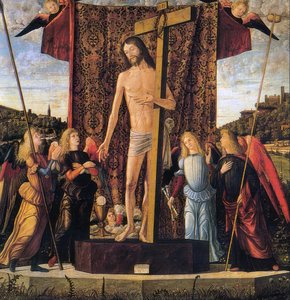
Holy Conversation
Reprodukció mérete
Vittore Carpaccio’s “Holy Conversation,” completed around 1505 in Venice, stands as a testament to the enduring power of narrative painting within the High Renaissance. More than just a depiction of religious iconography—the serene tableau featuring Jesus and Mary Magdalene—it embodies Carpaccio's distinctive artistic vision: a meticulous blend of Northern European realism with Venetian tradition.
Carpaccio’s approach distinguishes itself from the humanist fervor sweeping across Italy at the time. Unlike many contemporaries preoccupied with philosophical treatises and idealized figures, Carpaccio focused on capturing tangible reality—the textures of fabric, the subtle nuances of light, and the palpable atmosphere of a Venetian courtyard. This influence is evident in his masterful use of tempera paint on canvas, a technique favored by Giovanni Bellini and reflecting the artistic heritage of Flanders.
“Holy Conversation” belongs to Carpaccio’s monumental cycle depicting the legend of Saint Ursula and her seventy companions—a story steeped in Christian symbolism. The painting portrays a gathering of pilgrims, illuminated by candlelight, as Jesus engages in a profound dialogue with Mary Magdalene. Each figure is rendered with painstaking detail, conveying not merely physical likeness but also psychological depth.
Beyond the central figures, Carpaccio’s genius lies in his depiction of the Venetian landscape—a tranquil courtyard adorned with trees and rocks—which serves as a backdrop to this sacred encounter. The architectural elements, particularly the arched bridge visible in the background, contribute to the overall sense of solemnity and contemplation. These details are not merely decorative; they reinforce the narrative’s themes of pilgrimage, faith, and divine grace.
"Holy Conversation" transcends mere visual representation; it aims to evoke a feeling of reverence and serenity. Carpaccio's meticulous attention to light and color—characteristic of Bellini’s style—creates an immersive experience for the viewer. The painting invites reflection on themes of compassion, humility, and spiritual communion—qualities that continue to resonate with audiences centuries later.
This artwork is housed in the Musée du Petit Palais, Avignon and can be viewed at http://www.petit-palais.org/.


1465 - 1526 , Olaszország

Explore the luminous mastery of the Venetian Renaissance. Discover how masters like Titian and Giorgione revolutionized art through colorito, light, and atmosphere. An expert guide to the golden age of Italian painting for collectors and enthusiasts.


Maradjon naprakész a legfrissebb művészeti hírekkel, exkluzív ajánlatokkal és dekorációs ötletekkel.
Írja le nekünk projektjét, és művészeti szakértőink 3 személyre szabott műalkotási javaslatot készítenek Önnek.
Hagyjuk, hogy mi válogassunk ki Önnek 3 legjobb opciót – Ingyenesen!


 Megtekintés
 Küldés
 Megosztás
 Részletek

 Letöltés
 Hasonló darabok
 X-ray felvétel
 Diavetítés
 Összes részlet megjelenítése







 Az üvegkeretes opció csak 110 cm alatti méretben érhető el