x

 Acrylic On CanvasWallArtAbstract Expressionism
 1949
1949 46.0 x 51.0 cm
Múzeumi minőségű giclée vagy vászonnyomat, gyors gyártással és rugalmas finomítási lehetőségekkel. ( Kézzel festett másolat rendelése Kép letöltése)





























Válasszon előre meghatározott méreteink közül, amelyek megfelelnek a műalkotás eredeti arányainak.

Megadhat saját méreteket is egy konkrét kerethez vagy helyszínhez igazítva. Amennyiben a kiválasztott méret nem egyezik az eredeti kép arányokkal, a műalkotást le fogjuk vágni, vagy kiegészítjük a képet tükrözött vagy egyszínű szélekkel. A gyártás megkezdése előtt egy digitális tervezetet küldünk jóváhagyásra.
Kérjük, vegye figyelembe, hogy a képernyőn látható előnézet nem tükrözi a tényleges levágást vagy kiegészítést. Csak a tervezet mutatja pontosan a végső kompozíciót.
Bár az egyedi méretek is elérhetőek, az eredeti arányok megőrzése érdekében azt javasoljuk, hogy válasszon a előre meghatározott listából származó méretet.
Világszerte történő kiszállítás területére mindössze 2 hét alatt, a szokásos 4-5 hét helyett. (19 augusztus)


Zot
Reprodukció mérete
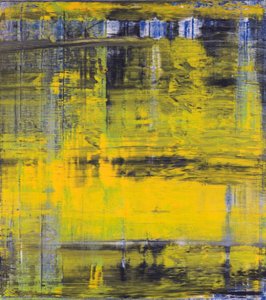
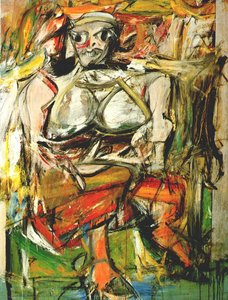
Willem de Kooning's "Zot," painted in 1949, isn’t merely a painting; it’s an embodiment of the fervor and uncertainty that characterized the height of Abstract Expressionism. This monumental canvas—measuring 46 x 51 cm—immediately confronts the viewer with a landscape dominated by stark white space punctuated by bursts of energetic pigment. It's a visual declaration of spontaneity, rejecting traditional representational conventions in favor of conveying raw emotion and psychological depth.
The painting’s compositional strategy defies easy categorization. Rather than adhering to linear perspective or establishing a discernible horizon line, De Kooning employs an all-over design where shapes overlap and intersect, creating a mesmerizing dance of visual complexity. Thick impasto—heavy application of paint—dominates much of the surface, punctuated by drips and splatters that seem to defy gravity. This technique isn’t about meticulous control; it's about allowing chance to guide the artist’s hand, resulting in textures that are palpably alive.
Despite its apparent lack of color, “Zot” possesses a subtle chromatic richness. Predominantly white serves as the foundational backdrop, subtly shifting hues through tonal variations achieved with black, grey, and fleeting touches of ochre yellow. These colors aren’t blended harmoniously; instead, they are layered and juxtaposed to generate tension and provoke contemplation. The muted palette contributes significantly to the painting's emotional impact—a feeling of unease mingled with exhilaration—reflecting the anxieties prevalent during the postwar period.
Lines in “Zot” are not descriptive; they’re expressive. Bold, sweeping strokes wrestle for dominance across the canvas, while thinner scribbles weave intricate patterns beneath them. Shapes— amorphous and fragmented—lack recognizable forms, resembling organic growths rather than geometric solids. This deliberate rejection of form underscores De Kooning's commitment to conveying emotion directly through gesture – capturing the artist’s subconscious impulses on a monumental scale.
Created during the Second World War and immediately following its conclusion, “Zot” speaks to the profound psychological upheaval experienced by artists grappling with trauma and disillusionment. The title itself—a nonsensical word—adds another layer of intrigue, suggesting a playful defiance of logic and inviting viewers to engage in an imaginative dialogue. As exemplified by The Metropolitan Museum of Art’s detailed analysis, De Kooning's work stands as a testament to the transformative power of abstraction – prioritizing feeling over representation and cementing his place among the titans of 20th-century art.

1904 - 1997 , Holland
Explore the profound emotional depth of Lyrical Abstraction. Discover how masters like Raymond Parker used color and form to bridge Impressionism and Abstract Expressionism. Learn about this pivotal movement through our expert-led art history guide.

Explore the profound emotional depth of Color Field painting. Discover the history of mid-century abstraction, from Rothko to Newman, and learn how pure color transforms the viewer's experience through our expert art history guide.

Explore the profound history and emotional depth of Abstract Expressionism. From Jackson Pollock to Mark Rothko, master the nuances of the New York School through our expert art history guide. Discover museum-quality hand-painted reproductions for your collection.


Maradjon naprakész a legfrissebb művészeti hírekkel, exkluzív ajánlatokkal és dekorációs ötletekkel.
Írja le nekünk projektjét, és művészeti szakértőink 3 személyre szabott műalkotási javaslatot készítenek Önnek.
Hagyjuk, hogy mi válogassunk ki Önnek 3 legjobb opciót – Ingyenesen!


 Megtekintés
 Küldés
 Megosztás
 Részletek

 Letöltés
 Hasonló darabok
 X-ray felvétel
 Diavetítés
 Összes részlet megjelenítése







 Az üvegkeretes opció csak 110 cm alatti méretben érhető el