x

 Acrylic On CanvasWallArtRealist Painting
 Early Medieval
 60.0 x 71.0 cm
Múzeumi minőségű giclée vagy vászonnyomat, gyors gyártással és rugalmas finomítási lehetőségekkel. ( Áttérés a kézzel festett másolatra Képváltás)





























Válasszon előre meghatározott méreteink közül, amelyek megfelelnek a műalkotás eredeti arányainak.

Megadhat saját méreteket is egy konkrét kerethez vagy helyszínhez igazítva. Amennyiben a kiválasztott méret nem egyezik az eredeti kép arányokkal, a műalkotást le fogjuk vágni, vagy kiegészítjük a képet tükrözött vagy egyszínű szélekkel. A gyártás megkezdése előtt egy digitális tervezetet küldünk jóváhagyásra.
Kérjük, vegye figyelembe, hogy a képernyőn látható előnézet nem tükrözi a tényleges levágást vagy kiegészítést. Csak a tervezet mutatja pontosan a végső kompozíciót.
Bár az egyedi méretek is elérhetőek, az eredeti arányok megőrzése érdekében azt javasoljuk, hogy válasszon a előre meghatározott listából származó méretet.
Világszerte történő kiszállítás területére 2 hét alatt, a szokásos 4-5 hét helyett. 11 augusztus


Below Zero
A reprodukció mérete
Winslow Homer’s “Below Zero,” painted circa 1893, isn’t merely a depiction of a winter landscape; it’s a profound meditation on human endurance against the relentless indifference of nature. This iconic work, currently residing in the Yale University Art Gallery, immediately commands attention with its monochrome palette – a carefully orchestrated symphony of grays and whites that evokes the biting cold and desolate beauty of a northern winter. Homer masterfully utilizes tonal variations to sculpt form and texture, creating an illusion of depth and roughness within the snowdrifts and the figures’ heavy coats, suggesting both the physical burden of travel and the protective layers against the elements.
The composition is deceptively simple yet powerfully effective. Two bundled figures, their faces obscured by fur caps, struggle through a vast expanse of snow, their sleds trailing behind them like extensions of their weary bodies. The strategic placement of three sleds acts as leading lines, drawing the viewer’s eye into the heart of the scene and emphasizing the arduous journey ahead. The low horizon line amplifies the scale of the landscape, dwarfing the figures and underscoring their vulnerability within this immense, unforgiving environment. Homer eschews sentimentality; there's no dramatic rescue or heroic gesture here, only a quiet determination etched onto the faces of those who persevere.
Homer’s approach to “Below Zero” is firmly rooted in realism, a departure from the romanticized landscapes often favored by his contemporaries. He achieved this through painstaking observation and a deliberate restraint in his brushwork. The painting likely originated with charcoal or graphite on paper, meticulously rendered before being translated into grayscale tones – a technique that allowed Homer to control light and shadow with exceptional precision. The subtle gradations of tone create an astonishing sense of texture; the snow appears not as a uniform surface but as a complex interplay of ridges, drifts, and shadowed recesses. The artist’s skillful manipulation of value—the delicate shifts between dark and light—is what truly breathes life into this otherwise stark scene.
To understand “Below Zero,” it's crucial to consider the historical context in which Homer painted. The late 19th century was a period of rapid industrialization and urbanization in America, yet many rural communities still clung fiercely to traditional ways of life. Homer’s work often explored these themes – the dignity of labor, the challenges faced by ordinary people, and the enduring connection between humanity and the natural world. “Below Zero” can be seen as a reflection on this broader American experience, capturing the spirit of resilience in the face of hardship. Interestingly, Homer himself spent time living in Belmont, Massachusetts, at the Homer House, which served as inspiration for many of his works depicting rural life.
Beyond its literal depiction of a winter journey, “Below Zero” resonates with deeper symbolic meanings. The figures’ struggle against the elements represents humanity's ongoing battle against adversity – a theme that transcends specific historical contexts. The cold itself can be interpreted as a metaphor for isolation, hardship, and the challenges of survival. Yet, despite the bleakness of the scene, there is also a sense of quiet dignity and perseverance in the figures’ actions. “Below Zero” isn't about celebrating triumph; it’s about acknowledging the inherent difficulty of life while simultaneously affirming the human spirit’s capacity to endure. The painting leaves the viewer with a profound sense of respect for those who face hardship with unwavering determination, reminding us of our own resilience in the face of life’s inevitable challenges.
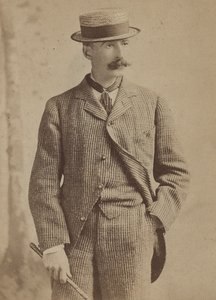
1836 - 1910 , Egyesült Államok
Fedezze fel a monokróm belsőépítészet rejtélyeit! Szakértői útmutató a fekete, fehér és szürke harmonikus egységéhez. Inspiráció hotelprojektekhez és elegáns otthonokhoz. Tippek a textúráktól a világításig!

Fedezze fel a hó varázsát a művészetben! 10 ikonikus festmény Monet-tól Kandinsky-ig, melyek elvarázsolják Önt. Ismerje meg a történetüket és inspirálódjon otthona dekorációjához – Most-Famous-Paintings.
Fedezze fel Winslow Homer 25 legikonikusabb művét! Olajfestményei, akvarelljei az amerikai tájkép és tengerpartok lélegzetelállító szépségét ábrázolják. Művészeti reprodukciók galéria minőségben a Most-Famous-Paintings.com-on. Explore the full collection online!

Merüljön el a fekete művészet lenyűgöző világában! Fedezze fel 10 ikonikus festményt Rembrandttól Goyáig, melyek elbűvölnek sötét hangulatukkal és mély érzelmeikkel. Műalkotások online – Most-Famous-Paintings.com
Fedezze fel a 10 leghíresebb festményt, melyeket a 'Mars Black' mély árnyalatai dominálnak! Rembrandt, Goya és Picasso remekművei – történetük, technikájuk és időtlenségük. Múzeumi minőségű művészeti reprodukciók otthonába. Fedezze fel a teljes gyűjteményt a Most-Famous-Paintings.com-on!


Maradjon naprakész a legfrissebb művészeti hírekkel, exkluzív ajánlatokkal és dekorációs ötletekkel.
Írja le nekünk projektjét, és művészeti szakértőink 3 személyre szabott műalkotási javaslatot készítenek Önnek.
Hagyjuk, hogy mi válogassunk ki Önnek 3 legjobb opciót – Ingyenesen!


 Előnézet
 Megosztás
 Megosztás
 Részletek

 Letöltés
 Hasonló alkotások
 X-ray felvétel
 Diavetítés
 Tovább olvasom







 Az üvegkeretes opció csak 110 cm alatti méretben érhető el