A Sanctuary of Austrian Modernism: The Leopold Museum’s Enduring Legacy
Nestled within Vienna’s vibrant MuseumsQuartier, the Leopold Museum isn't merely a collection of artworks; it’s an immersive journey into the very soul of Austria’s cultural evolution. Founded by the visionary couple, Elisabeth and Rudolf Leopold, the museum began with a profound understanding – a desire to champion the often-overlooked voices of Austrian modernism, from the opulent grandeur of the Vienna Secession to the intensely emotional landscapes of Expressionism. Their unwavering dedication, fueled by an unshakeable belief in these artistic currents, resulted in one of the world’s most comprehensive and profoundly moving collections, a testament to their discerning eye and deep appreciation for art history's complexities. The building itself – a meticulously restored former stable, a deliberate architectural choice that harmoniously blends Vienna’s imperial past with contemporary design – speaks volumes about the Leopold’s commitment to honoring tradition while embracing innovation; sunlight streams through its soaring ceilings, illuminating canvases with an almost reverent glow.
The Schiele Phenomenon and Klimt’s Golden Legacy
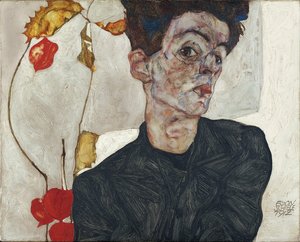
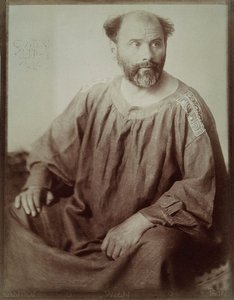
At the heart of the Leopold Museum lies a world entirely devoted to Egon Schiele, an artist whose intensely personal and often unsettling imagery continues to captivate and challenge viewers decades after his untimely death. The museum boasts over 500 paintings and drawings – nearly half of Schiele's entire artistic output – offering an unparalleled opportunity to trace the evolution of his distinctive style, a style characterized by raw emotion, distorted figures, and a haunting vulnerability. These aren’t simply portraits; they are windows into the anxieties, passions, and profound loneliness that defined a generation grappling with societal upheaval and personal loss. Yet, the collection isn't solely focused on Schiele’s singular vision. It also showcases significant masterpieces by Gustav Klimt, including iconic works like *The Kiss*, which embodies the Secessionist movement’s fascination with mythology, eroticism, and the transformative power of art – a shimmering testament to beauty and sensuality that continues to resonate today. Beyond these two titans, the museum reveals remarkable works by Oskar Kokoschka, Richard Gerstl, and other pivotal figures in Austrian art history, painting a rich and multifaceted panorama of artistic innovation during this dynamic period. The juxtaposition of their styles and approaches reveals the diverse nature of modernism within Austria, demonstrating its constant evolution and experimentation.
Navigating Troubled Waters: A Commitment to Ethical Responsibility
The Leopold Museum’s story is inextricably linked to the difficult and complex legacy of Nazi-looted art. The museum has bravely confronted this challenging history, undertaking extensive legal battles and engaging in painstaking research to repatriate artworks unjustly seized during World War II. This commitment to artistic integrity and a willingness to acknowledge past injustices – a stance that distinguishes it from many other institutions – is profoundly commendable. The case of *Portrait of Wally*, once at the center of a protracted and highly publicized legal dispute, exemplifies this dedication. The museum’s journey towards restitution reflects a growing awareness within the art world of the ethical obligations surrounding cultural heritage and the importance of acknowledging past wrongs. The Leopold Museum's willingness to confront uncomfortable truths elevates it beyond a simple display space; it transforms it into a forum for dialogue and reflection on the complex relationship between art, history, and morality. The ongoing efforts in repatriation demonstrate a genuine commitment to rectifying historical injustices and honoring the legacies of artists who were unjustly deprived of their work.
A Living Legacy: Exhibitions and Ongoing Dialogue
The Leopold Museum isn’t merely a static showcase of historical artifacts; it's a vibrant cultural hub that continually evolves through its carefully curated exhibition programming. Beyond the permanent collection, the museum regularly hosts temporary exhibitions that explore specific themes within Austrian modernism or delve into the work of lesser-known artists who deserve wider recognition. These thoughtfully designed displays offer fresh perspectives on familiar masterpieces and introduce visitors to new discoveries, fostering an ongoing dialogue between art, scholarship, and the public. The museum also actively engages with contemporary artistic practices, creating a bridge between the past and present and demonstrating the enduring relevance of Austrian modernism in today’s world. The recent exhibition series focusing on “MODERNISM NOW” highlights how these foundational artists continue to resonate with contemporary audiences and inform current artistic trends. What truly distinguishes the Leopold Museum is its holistic approach—its ability to illuminate not only individual artists but also the broader cultural trends and intellectual debates that shaped their work, offering a rich and layered experience for every visitor.
Additional Research & Architectural Notes
The museum’s architectural design – incorporating elements of the original stable building – speaks volumes about the Leopold's respect for Vienna’s heritage. The exposed brickwork and soaring ceilings evoke the grandeur of the imperial past, while the modern interior spaces – bathed in natural light – create a sense of openness and accessibility. Furthermore, the museum’s commitment to transparency is evident in its ongoing efforts to address the issue of Nazi-looted art, as meticulously documented through extensive research and legal action. The Leopold Museum continues to be a vital center for scholarship and public engagement, fostering a deeper understanding of Austrian modernism and its enduring legacy. The museum offers a unique blend of historical significance and contemporary relevance, inviting visitors to explore the complexities of artistic expression within the context of a pivotal period in European history.