x

Riproduzioni dipinte a mano di qualità museale e stampe d'archivio su tela delle opere più celebri della storia. Ogni pezzo è frutto di ricerca, creazione e consegna con cura curatoriale.
I pittori che hanno plasmato il modo in cui l'umanità percepisce la bellezza, la luce e la forma. Passa il mouse per esplorare le loro opere più iconiche.
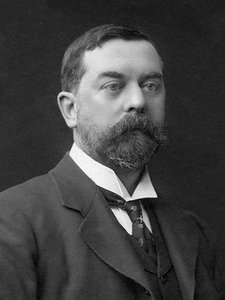
Esplora i capolavori di John Singer Sargent! Impressionista americano noto per ritratti come 'Madame X', paesaggi e per aver catturato l'eleganza dell'Età d'Oro. Scopri la sua arte oggi!

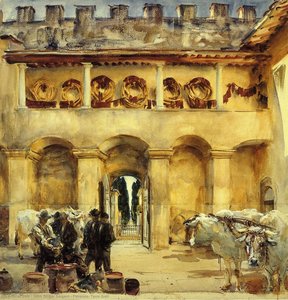

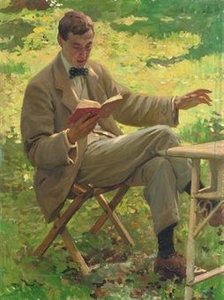
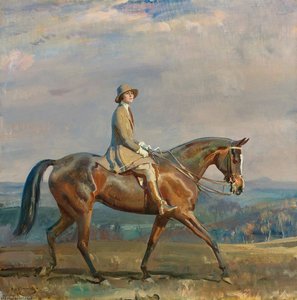
Sir Alfred Munnings: maestro inglese dell'arte equestre! Scopri scene di caccia, corse e la vita rurale con il suo stile impressionista unico.


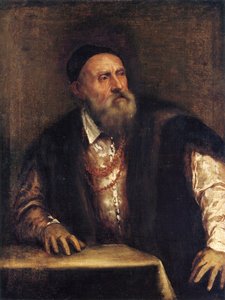
Tiziano Vecellio, il gigante della pittura veneziana e del Rinascimento italiano, rivoluzionò l'uso del colore con opere immortali come Venere Urbino e la Scuola Grande dei Maestri.


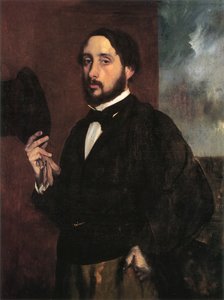
Scopri "Danzatori", un affascinante dipinto al pastel di Edgar Degas (1834-1917), maestro dell'impressionismo e del balletto. Un'opera che cattura il movimento e l'eleganza con colori vibranti e pose dinamiche.


Scopri Kandinsky (1866-1944), pioniere dell'arte astratta! Esplora il suo espressionismo vibrante, temi spirituali e l'eredità Bauhaus con riproduzioni straordinarie.


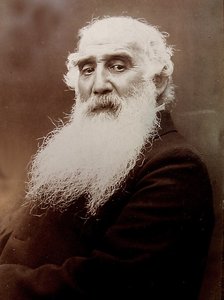
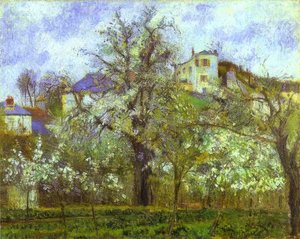
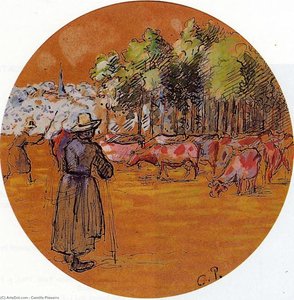
Esplora l'arte di Camille Pissarro: paesaggi e scene di vita quotidiana impressionisti e neo-impressionisti. Una figura chiave che ha influenzato Van Gogh, Cézanne e altri.


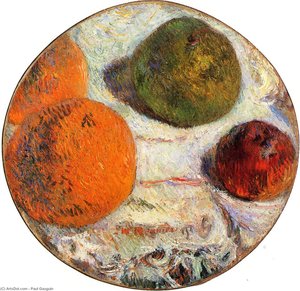
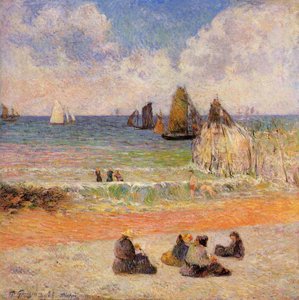
Esplora l'arte vibrante di Paul Gauguin (1848-1903), un pioniere dell'arte Post-Impressionista, del Simbolismo e della Sintesi. Scopri i dipinti iconici tahitiani e la sua influenza sull'arte moderna. #Gauguin


Rubens: il maestro del Barocco fiammingo! Composizioni dinamiche, colori vibranti e opere iconiche come "Il Massacro degli Innocenti". Scopri la sua vita e l'arte.


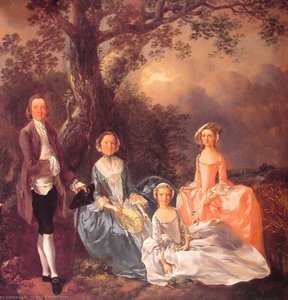
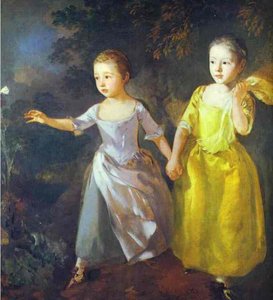
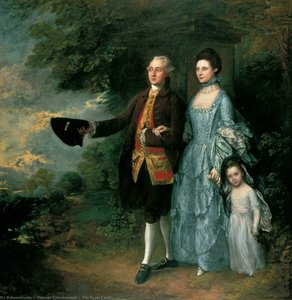
Thomas Gainsborough (1727-1788): pittore britannico chiave del XVIII secolo, celebre per ritratti eleganti e paesaggi idilliaci. Co-fondatore della Royal Academy!
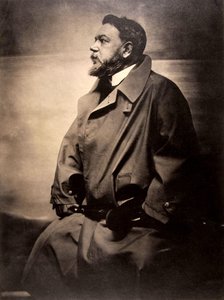
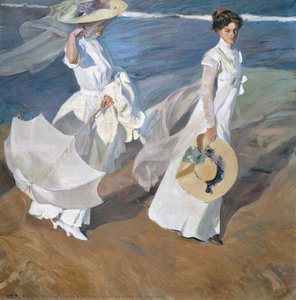
Scopri Joaquín Sorolla (1863-1923), maestro del Realismo e Luminismo spagnolo! Esplora le sue vibranti opere, luce mediterranea, ritratti e temi sociali. Una figura chiave dell'Impressionismo.


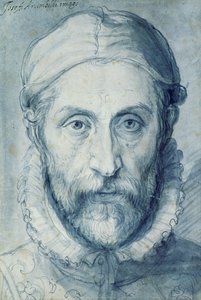
Scopri Giuseppe Arcimboldo (1527-1593), pittore manierista e rinascimentale! Ritratti surrealisti creati con frutta, verdura e oggetti sfidano le convenzioni artistiche.
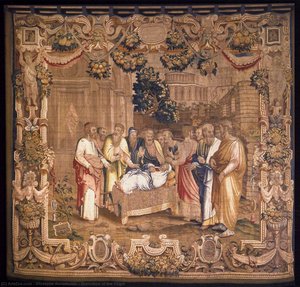

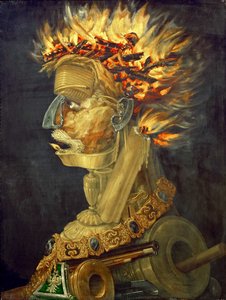
Scopri Jean-Baptiste-Camille Corot (1796-1875), pittore francese che unisce Neoclassicismo e Impressionismo. Paesaggi sereni, ritratti realistici e la sua influenza sull'arte! Esplora 'The Repose' e altro!
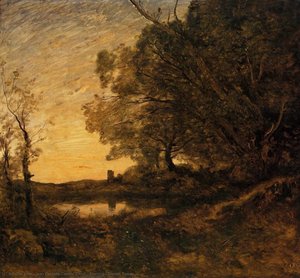


Not a print. A hand-painted oil reproduction of the world's greatest works — framed in solid wood and delivered ready to hang.
Naviga attraverso otto secoli di successi artistici — dall'oro bizantino al pluralismo contemporaneo — e scopri le opere che più ti emozionano.
c. 500–1000 CE
Characterized by the fusion of classical Greco-Roman, Christian, and barbarian artistic traditions across Europe. This era saw the height of Byzantine imperial splendor, the development of intricate insular illumination, and the rise of Carolingian and Ottonian monastic workshops. Art primarily served liturgical functions, emphasizing spiritual abstraction over naturalistic representation.

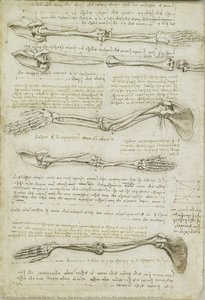
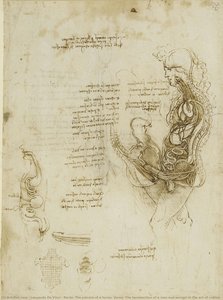
c. 1000–1300 CE
Marked by a dramatic expansion of urban centers and religious institutions across Western Europe. This period witnessed the development of monumental Romanesque stone sculpture and the subsequent birth of the Gothic style, defined by soaring rib vaults and luminous stained glass. Imagery became more expressive, reflecting a deeply structured feudal and ecclesiastical worldview.

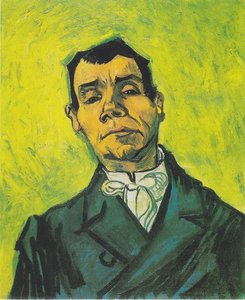
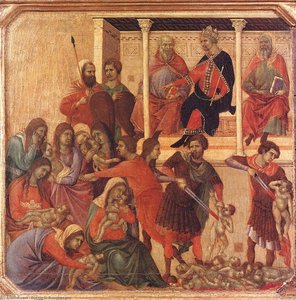
c. 1300–1400 CE
A transformative era defined by profound social shifts and the devastating impact of the Black Death. Artistic production responded with intensely emotive, humanized religious imagery. The International Gothic style brought refined courtly elegance to panel painting, while Italian Proto-Renaissance pioneers began reintroducing spatial depth, laying the groundwork for humanistic naturalism.

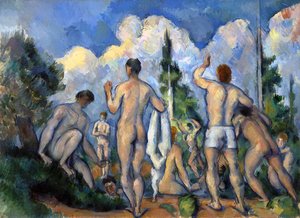

c. 1400–1600 CE
Characterized by a self-conscious revival of classical antiquity and the rise of intellectual humanism. Artists revolutionized visual culture through the mathematical mastery of linear perspective, anatomical precision, and the development of oil painting techniques. No longer mere artisans, creators achieved elevated status, balancing secular civic pride with innovative sacred commissions.

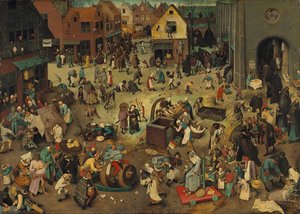
c. 1600–1800 CE
Spanning the dynamic shifts of the seventeenth and eighteenth centuries, this era encompasses the theatrical grandeur of the Baroque and the delicate intimacy of the Rococo. Driven by Counter-Reformation zeal and the wealth of global trade networks, artists manipulated light, shadow, and scale to create emotionally charged, politically potent visual environments.
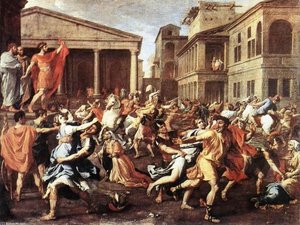
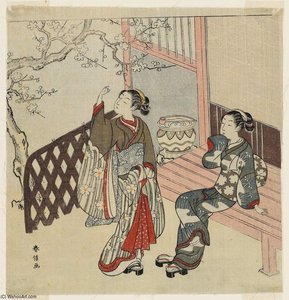
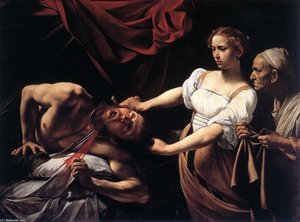
c. 1800–1900 CE
An era of rapid industrialization and socio-political upheaval that shattered traditional academic hegemony. Artistic production fragmented into a succession of revolutionary movements: the emotional intensity of Romanticism, the unvarnished truth of Realism, and the ephemeral light studies of Impressionism. This period fundamentally redefined the relationship between the artist and modern society.
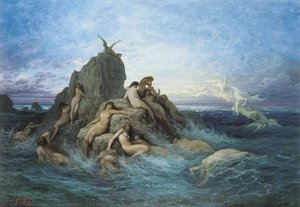
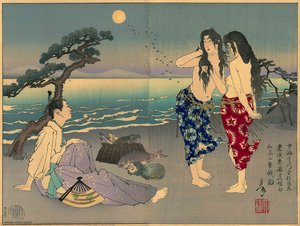
c. 1900–1970 CE
Defined by a radical rejection of traditional representation and the celebration of the avant-garde. Spurred by global conflicts and technological acceleration, artists embraced abstraction and conceptual experimentation. Movements such as Cubism, Expressionism, and Pop Art interrogated the very definition of art, reflecting the fragmented psychological landscape of twentieth-century life.

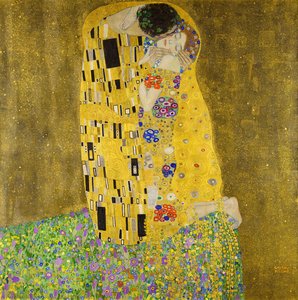
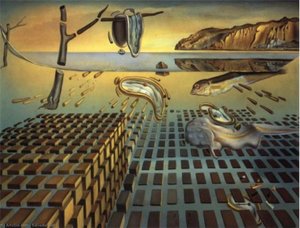
c. 1970–Present
Encompassing diverse artistic practices from the late twentieth century to the present day. Characterized by pluralism and postmodern critique, this era moves beyond singular movements to embrace installation, performance, and digital media. Artists engage directly with global networks, questioning identities, geopolitical structures, and the boundaries of an increasingly interconnected visual culture.
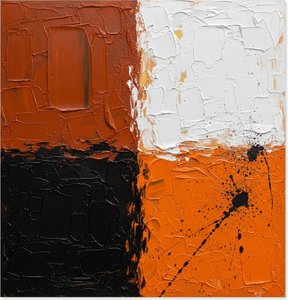

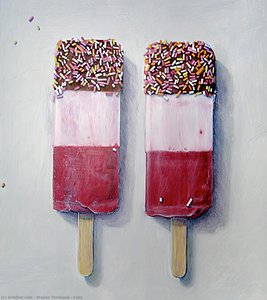
Every great painting, hand-reproduced in oil and delivered ready to hang. Find yours.
Sfoglia la nostra collezione in base ai movimenti che hanno trasformato lo sguardo dei pittori — e il modo in cui il mondo ha iniziato a guardare i dipinti.


Rejecting idealized academic conventions and dramatic romanticism, Realism emerged in the mid-19th century as a deliberate effort to document everyday life with unvarnished objectivity. Painters focused on the working class, mundane tasks, and contemporary social realities, favoring earthy palettes and honest representation over mythologized or heroic subjects.
Scopri la collezione


Developed in the late 19th and early 20th centuries, this movement captured the changing landscape of American life with profound honesty. Artists documented rapidly growing urban centers, industrial labor, and quiet rural communities, creating a distinct visual identity that reflected the social transformations, grit, and unique character of a developing nation.
Scopri la collezione


Arising in the late 18th century as a critique of Enlightenment rationalism, Romanticism championed intense emotion, individual imagination, and the awesome power of nature. Artworks from this period frequently feature dramatic compositions, rich colorism, and a fascination with the sublime, emphasizing human vulnerability against vast, untamable elements.
Scopri la collezione


Originating in late 19th-century France, Impressionism revolutionized Western painting by discarding formal studio practices for plein-air execution. Characterized by loose, visible brushwork and a vivid palette, artists prioritized the shifting effects of light, atmospheric conditions, and transient everyday moments over precise line and traditional narrative content.
Scopri la collezione

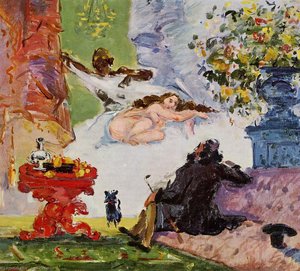
Emerging as an extension of and reaction to Impressionism, this diverse late 19th-century movement shifted focus from objective sensory perceptions to structured, symbolic expression. Artists employed vivid, non-naturalistic color, thick paint application, and defined geometric forms to explore personal psychological depths and greater formal order on the canvas.
Scopri la collezione
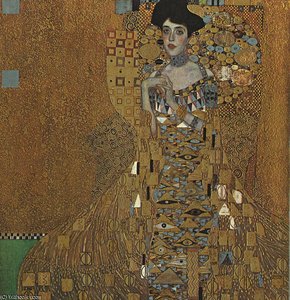

This late 19th-century avant-garde movement rejected literal representation in favor of expressing ideas, psychological states, and spiritual truths through metaphorical imagery. Heavily influenced by poetry and mysticism, artists constructed dreamlike, allegorical scenes that prioritized internal emotions, mythology, and the subconscious over the objective observation of the natural world.
Scopri la collezione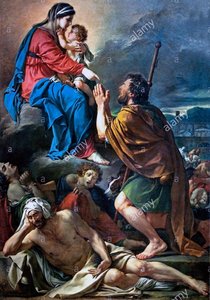


Inspired by the archaeological rediscovery of classical antiquity, Neoclassicism dominated the late 18th century by emphasizing rationality, order, and civic virtue. Reacting against late Baroque decorative excesses, paintings feature austere, symmetric compositions, linear precision, smooth surfaces, and historical subject matter designed to inspire moral clarity and political duty.
Scopri la collezione


Flourishing at the turn of the 20th century, Art Nouveau sought to break down the traditional hierarchy between fine art and applied arts. Visually defined by sinuous, flowing lines, organic curves, and elegant botanical motifs, the movement aimed to create a harmoniously integrated aesthetic environment encompassing painting, architecture, and decorative objects.
Scopri la collezione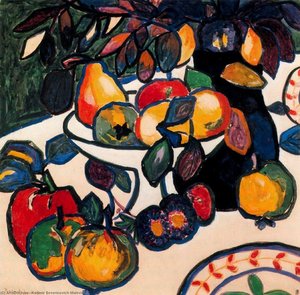


Pioneered in the early 20th century, Fauvism was characterized by its revolutionary use of explosive, non-naturalistic color and raw, visible brushwork. Artists liberated color from its traditional descriptive role, employing pure, unmodulated pigments directly from the tube to project intense emotion and establish structural rhythm independent of literal reality.
Scopri la collezione


Encouraged by the Counter-Reformation in the 17th century, Baroque art is defined by dynamic movement, theatrical grandeur, and intense emotional appeal. Masters used pronounced chiaroscuro — a sharp contrast between deep shadow and piercing light — to craft deeply immersive, awe-inspiring compositions that engaged the viewer's spirituality through vivid sensory experiences.
Scopri la collezione


Marking the transition from the medieval period to modernity, the Renaissance witnessed a profound revival of classical Greco-Roman learning and philosophy. Artistically, this era introduced revolutionary advancements in linear perspective, anatomical precision, and balanced, harmonious proportions, synthesizing deep Christian devotion with a newly awakened scientific humanism and naturalism.
Scopri la collezione


Originating in early 20th-century northern Europe, Expressionism prioritized the depiction of subjective psychological states over objective external reality. Artists utilized radical formal distortion, harsh jagged lines, and jarring, unnatural colors to project internal anxieties, alienation, and raw emotional intensity, frequently offering a pointed critique of modern industrial society.
Scopri la collezione


Founded in the 1920s, Surrealism aimed to bridge the fractured boundaries between dream and reality by liberating the creative power of the subconscious mind. Influenced deeply by psychoanalysis, artists utilized unexpected, bizarre juxtapositions, automatism, and illusionistic techniques to challenge rational thought and explore the poetic logic of the unconscious.
Scopri la collezione


Co-founded in the early 20th century, Cubism radically dismantled centuries of traditional perspective by deconstructing objects into flat, geometric facets. Instead of depicting a subject from a single static viewpoint, artists rendered figures from multiple angles simultaneously, asserting the canvas as a conceptual, two-dimensional construction rather than an illusionistic window.
Scopri la collezione


Emerging in the mid-20th century, Pop Art challenged the elitism of traditional fine art by incorporating imagery from popular culture, mass media, and consumerism. Utilizing commercial printing techniques, comic strip aesthetics, and bold advertising palettes, artists mirrored and critiqued post-war society, effectively blurring the boundaries between high and low culture.
Scopri la collezione


Developing in post-World War II New York, Abstract Expressionism shifted the focus of painting to pure abstraction and monumental scale. Through spontaneous gestural brushwork, action painting, and expansive color fields, artists sought to communicate universal human emotions and cross-cultural spiritual truths directly from the subconscious, emphasizing the physical act of creation.
Scopri la collezioneSpanning the late 19th to mid-20th centuries, Modernism represents a broad, experimental break from classical academic traditions in response to rapid industrialization and global change. Embracing the ethos of constant reinvention, artists systematically questioned the nature of representation, exploring fragmentation, abstraction, and the intrinsic qualities of their artistic mediums.
Scopri la collezioneProduced from the late 20th century to the present, Contemporary art is characterized by a globally diverse, institutionally critical, and technologically fluid landscape. Moving beyond traditional boundaries of style and medium, artists utilize conceptual frameworks, digital tools, and multimedia installations to engage dynamically with urgent themes of identity, globalization, and socio-political critique.
Scopri la collezioneCataloghiamo capolavori provenienti da migliaia di istituzioni in tutto il mondo. Esplora le loro collezioni — e poi porta le opere a casa tua.

Scopri il Fogg Art Museum di Harvard! Capolavori d'arte occidentale dal Rinascimento all'Impressionismo, in un edificio storico mozzafiato a Cambridge.

Esplora capolavori da Monet a Van Gogh all'Art Institute di Chicago! Architettura iconica, mostre imperdibili e un viaggio nell'arte che incanta.
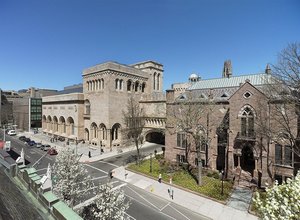
Scopri un'incredibile collezione d'arte da tutto il mondo al Museo Yale! Capolavori, architettura e cultura in un'esperienza unica e gratuita.
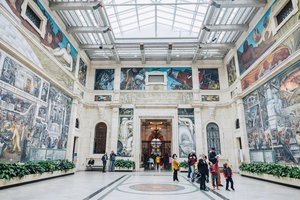
Scopri il Detroit Institute of Arts: capolavori europei e americani, murales di Rivera e un'affascinante storia culturale! Un'esperienza artistica imperdibile.
Tre letture su un tema comune — scelte dal nostro team editoriale per approfondire la tua conoscenza delle opere della nostra collezione.
 Ebook
Ebook
Scopri come l'arte trasforma il tuo hotel in un'esperienza unica. Consulenza esperta per opere originali, riproduzioni di alta qualità e strategie innovative per valorizzare spazi e brand. Eleva l'osp
 Ebook
Ebook
Trasforma il tuo ufficio con arte personalizzata di alta qualità! offre consulenza esperta, dipinti su commissione e riproduzioni esclusive per un design d'interni unico e di prestigio.
 Ebook
Ebook
Trasforma il tuo spazio con arte riprodotta a mano da maestri italiani. Consulenza personalizzata, opere uniche e sostenibili per hotel di lusso. Scopri come valorizzare la tua identità.
Scegli una risposta qui sotto — poi segui il link per continuare la sfida di cinque domande sulla sua pagina dedicata.
Qual è la città italiana dove Palazzo Strozzi si trova? — Firenze, Italia
Qual è la tecnica artistica principale utilizzata per creare il rilievo fisico e la profondità scultorea in quest'opera?
Dove nacque Sir William Nicholson?
Ogni riproduzione ha inizio nel nostro archivio. Studiamo l'opera originale attraverso fotografie di qualità museale e cataloghi specialistici per garantire che ogni colore, trama e sfumatura proporzionale sia esatto.
Il nostro studio impiega pittori formati nella tecnica classica — molti dei quali possiedono lauree in belle arti e specializzazioni in periodi o scuole specifiche. Ogni artista viene abbinato alle opere che meglio riflettono la sua maestria.
Tele in lino e cotone. Colori a olio con resistenza alla luce certificata oltre i 100 anni. Vernici con formula identica a quelle utilizzate nel restauro museale. Perché una grande riproduzione merita la stessa cura dell'originale.


Rimani aggiornato sulle ultime novità dell'arte, sulle offerte esclusive e sulle idee di decorazione.
Raccontaci del tuo progetto e i nostri esperti d'arte ti proporranno 3 suggerimenti artistici personalizzati.
Lascia che ci pensiamo noi: 3 opzioni su misura per te – Gratis!