Sonia Delaunay: A Kaleidoscope of Color and Geometric Innovation
Sonia Delaunay (1885-1979), born Sarah Ilinitchna Stern in Kiev, Ukraine, stands as a monumental figure in the history of modern art. Her artistic journey began with an early fascination for painting, nurtured by her husband Robert Delaunay, whom she married in 1912 and collaborated closely with throughout their careers. Together they spearheaded the Orphism movement—a radical departure from traditional representation—embracing pure abstraction and prioritizing color as its primary expressive element. This bold experimentation cemented Delaunay’s place among the vanguard of artistic thought during the tumultuous years following World War I.
Early Life & Artistic Beginnings: Born into a Jewish family, Sarah Stern pursued her passion for art despite societal constraints. She studied at the Saint Petersburg Academy of Arts and initially focused on decorative arts, honing her skills in textiles and ceramics before venturing into painting. Her formative years instilled within her a profound appreciation for visual harmony and a determination to break free from conventional artistic conventions—qualities that would define her entire oeuvre.
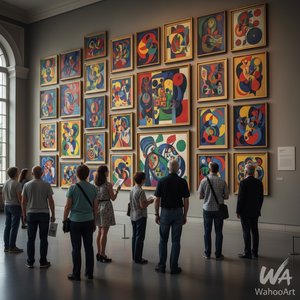
The Birth of Orphism: Alongside Robert Delaunay, Sonia revolutionized artistic perception with Orphism—a movement characterized by simultaneous juxtaposition of colors and geometric forms. Influenced by Cubism’s fragmentation and Kandinsky's exploration of spirituality through abstraction, they sought to liberate color from its subservient role in depicting reality. This groundbreaking approach challenged established aesthetic norms and ushered in a new era of artistic experimentation—one that prioritized emotional resonance over literal depiction. They believed that color could convey feelings and ideas just as effectively as form, fundamentally altering the way artists approached their craft.
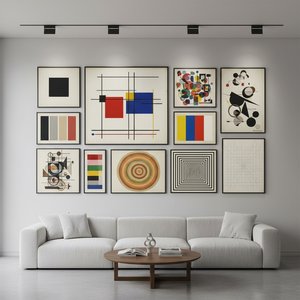
Collaborative Partnerships & Textile Designs: Delaunay’s artistic output extended far beyond canvas. Her collaborations with Robert Delaunay resulted in groundbreaking textile designs—bold patterns incorporating vibrant hues and geometric shapes that adorned fabrics for fashion, interiors, and stage productions. These textiles weren't merely decorative; they were integral to their conceptual framework. Each pattern was carefully considered to evoke specific moods and sensations, reflecting the duo’s unwavering commitment to exploring the expressive potential of visual elements beyond traditional boundaries.
Notable Paintings & Recognition: Delaunay’s oeuvre includes iconic paintings like “Electric Prisms” (1914), a mesmerizing exploration of color harmonies that exemplifies the Simultanism core of Orphism. Her work gained international acclaim and secured her a prestigious retrospective at the Louvre Museum in 1968—a remarkable achievement for a woman artist during that era. Critics lauded Delaunay’s daring use of color and form, recognizing her contribution to the development of abstract art as transformative and enduring. She was honored with many awards, including the French Légion d’Honneur (1975), Chevalier des Arts et Lettres (1958)—a testament to her unwavering dedication to artistic excellence and innovation.
Legacy & Influence: Sonia Delaunay’s influence reverberates throughout subsequent generations of artists, designers, and architects. Her unwavering commitment to color theory and geometric abstraction continues to inspire creativity and innovation—a legacy that transcends stylistic trends and affirms her enduring place within the history of modern art. She remains a beacon for aspiring artists who seek to challenge conventions and embrace bold experimentation as pathways to artistic expression.