x

人類の美、光、そして形に対する眼差しを形作ってきた画家たち。マウスホバーで、彼らの代表作をご覧ください。
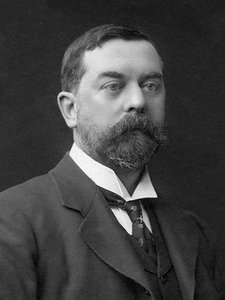
「ジョン・シガー・サージェント」は、エドワード年代の優雅さを表現した印象派絵画や、豪華な肖像画で知られるアメリカ画家。彼の作品は美術史に大きな影響を与え、今なお多くの人々を魅了しています。特に『マダムX』は社会的なタブーをテーマにした作品として話題になりました。

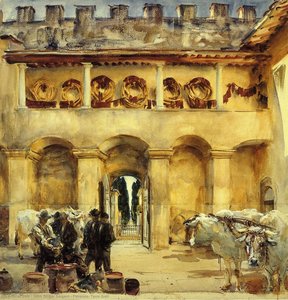

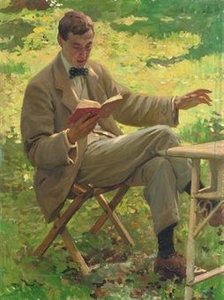
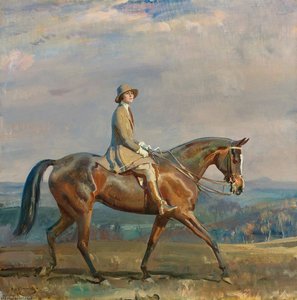
「イギリスの田園風景を鮮やかに捉えたムニンズの傑作『収穫の後の夕焼け』。印象派の技法で黄金色の夕日と牧草地を表現し、狩猟文化や伝統的な暮らしが息づく英国の美しい瞬間を今に。」


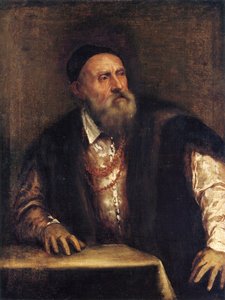
ピエヴェ・ディ・カドーレ イタリア ティツィアーノ ティツィアーノ・ヴェチェッリオ ルネサンス期の巨匠、ティツィアーノ。鮮やかな色彩と大胆な筆致で、肖像画や神話画に革新をもたらしました。ヴェネツィア派の代表的画家として、後の芸術家たちに多大な影響を与えた不朽の名作群。 ルネサンス美術、ヴェネツィア派 西洋美術 レオナルド・ダ・ヴィンチ 1490年頃 1576年 ティツィアーノ・ヴェチェッリオ イタリア人 「袖飾りのある男」 イタリア、ピエヴェ・ディ・カドーレ フィレンツェ 3 ティツィアーノは、芸術家としての訓練をどの都市で始めましたか?

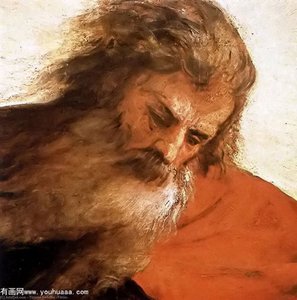

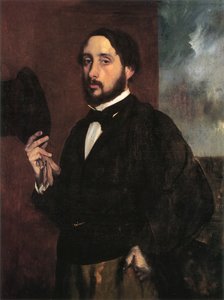
パリ フランス エドガー・ドガ ヒレール・ Germain-エドガール・ドガ 19世紀を代表するフランスの画家、エドガー・ドガ。バレエダンサーやパリの日常風景を捉え、革新的な構図と卓越した描写力で印象主義に影響を与えました。『踊り子』『カフェ・ド・シャワール』など、現代生活の真実を描き出した傑作群。 印象派、写実主義 パブロ・ピカソ ギュスターヴ・クールベ 1834年7月19日 1917年9月27日 ヒレール・ Germain-エドガール・ドガ フランス人 タムブリンを持つ踊り子 フランス、パリ 入絵主義 1 エドガー・ドガは、レーベルを拒否しながらも、どの芸術運動と関連付けられることが多いですか?


カンディンスキー(1866-1944)は、抽象芸術の先駆者! 鮮やかな表現主義、精神的なテーマ、バウハウスの遺産を、息を呑むような複製を通して探求。色彩と形態のシンフォニーが織りなす革新的な作品群に出会えます。


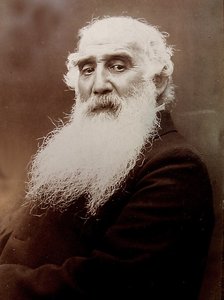
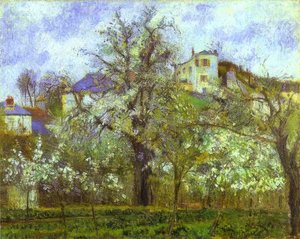
印象派と新印象主義の巨匠、カミーユ・ピサロ。農村風景やパリの日常を捉え、ゴッホやセザンヌにも影響を与えた。光と色彩で表現された作品は、19世紀美術に革新をもたらした。
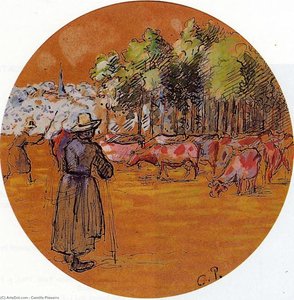


パリ フランス エジェーヌ・アンリ・ポール・ゴーギャン ゴーギャン、ユージェン・アンリ・ポール・ゴーギャン、ポール・ゴーギャン ポスト印象派の巨匠ゴーギャン。大胆な色彩とタヒチの異国情緒あふれる風景が魅力。象徴主義的な表現で、現代美術に多大な影響を与えました。 後期印象派、象徴主義 パブロ・ピカソ カミーユ・ピサロ 1848年 1903年 エジェーヌ・アンリ・ポール・ゴーギャン フランス人 晴天 パリ 教師 1 ポール・ゴーギャンが芸術家になる前の職業は何でしたか?

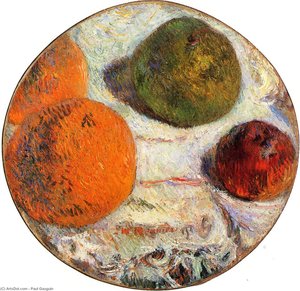
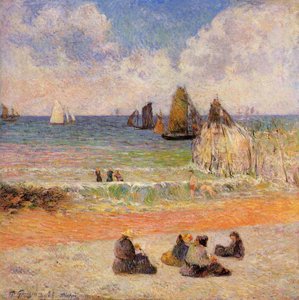

美しい色彩と力強い動きが特徴的なバロック絵画の巨匠、ピエール・ポール・ルーベンス。イエス・キリスト降ろしや十字架昇上げなどの傑作は、彼の芸術への情熱と卓越した技術を物語っています。 ルーベンスの生涯と作品について深く知ることができます。


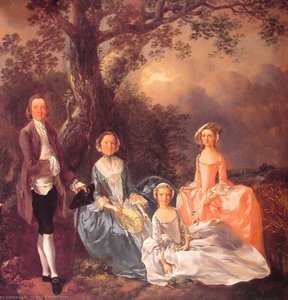
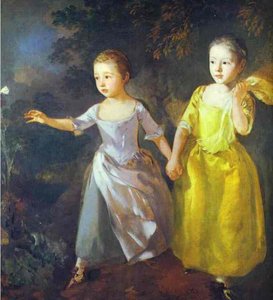
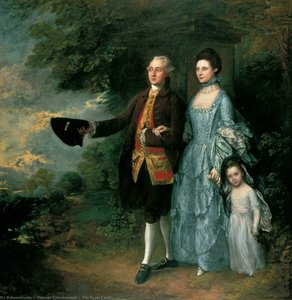
美しい肖像画と風景画で知られるイギリスの巨匠、ロイヤルアカデミー創設者であり、コンスタブルに影響を与えたトーマス・ゲインズボウグについて。彼の作品は繊細な筆使いと色彩感覚が特徴で、英国美術史における重要な人物です。
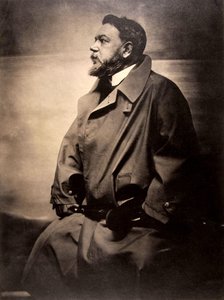
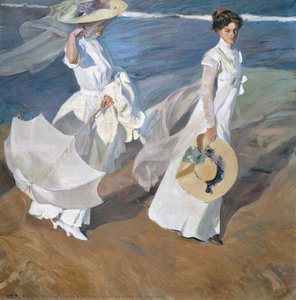
スペインの光と色彩を捉えた画家、ホアキン・ソローヤ。地中海沿岸の風景や人々の日常を描き、印象派の影響を受けながら独自の Luminism を確立しました。『悲しき相続』から『海岸の子どもたち』まで、鮮やかな筆致で描かれた作品は、スペイン文化と光の美しさを永遠に伝えます。


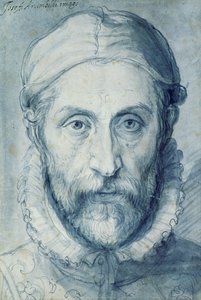
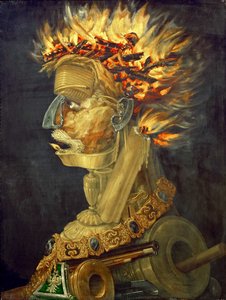
ジョゼッペ・アルチンボルド(1527-1593)は、果物や野菜を組み合わせて人物像を描いたイタリアの画家。ルネサンス期の奇抜な芸術家として知られ、その作品はシュールレアリズムにも影響を与えました。
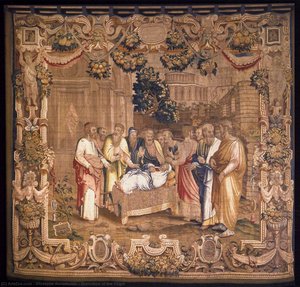

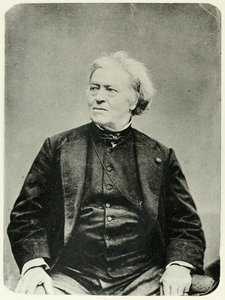
19世紀フランス絵画を代表するコロー。穏やかな光と風景が特徴で、新古典主義から印象派への橋渡し的存在として知られます。叙情的な風景画や人物画は、自然の美しさと内面の静けさを表現。
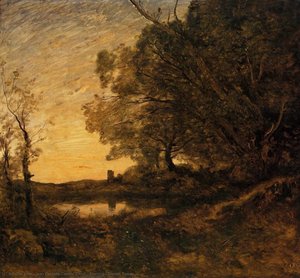


Not a print. A hand-painted oil reproduction of the world's greatest works — framed in solid wood and delivered ready to hang.
ビザンティンの黄金期から現代の複数主義まで、8世紀にわたる芸術的成果を辿り、あなたの心に響く作品を見つけてください。
c. 500–1000 CE
Characterized by the fusion of classical Greco-Roman, Christian, and barbarian artistic traditions across Europe. This era saw the height of Byzantine imperial splendor, the development of intricate insular illumination, and the rise of Carolingian and Ottonian monastic workshops. Art primarily served liturgical functions, emphasizing spiritual abstraction over naturalistic representation.


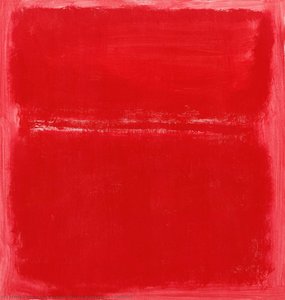
c. 1000–1300 CE
Marked by a dramatic expansion of urban centers and religious institutions across Western Europe. This period witnessed the development of monumental Romanesque stone sculpture and the subsequent birth of the Gothic style, defined by soaring rib vaults and luminous stained glass. Imagery became more expressive, reflecting a deeply structured feudal and ecclesiastical worldview.


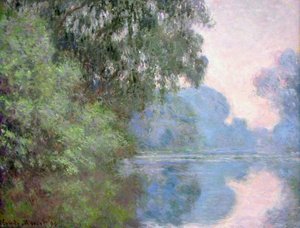
c. 1300–1400 CE
A transformative era defined by profound social shifts and the devastating impact of the Black Death. Artistic production responded with intensely emotive, humanized religious imagery. The International Gothic style brought refined courtly elegance to panel painting, while Italian Proto-Renaissance pioneers began reintroducing spatial depth, laying the groundwork for humanistic naturalism.

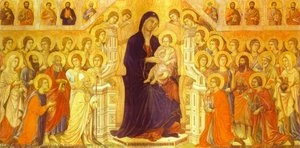
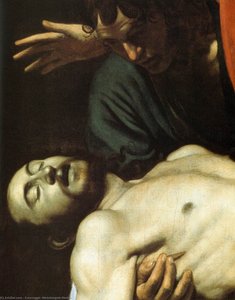
c. 1400–1600 CE
Characterized by a self-conscious revival of classical antiquity and the rise of intellectual humanism. Artists revolutionized visual culture through the mathematical mastery of linear perspective, anatomical precision, and the development of oil painting techniques. No longer mere artisans, creators achieved elevated status, balancing secular civic pride with innovative sacred commissions.

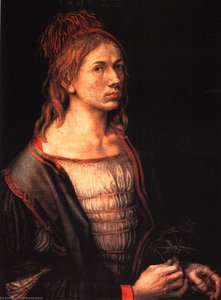
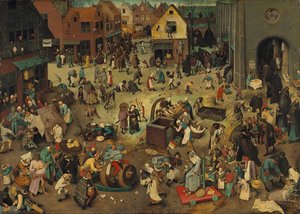
c. 1600–1800 CE
Spanning the dynamic shifts of the seventeenth and eighteenth centuries, this era encompasses the theatrical grandeur of the Baroque and the delicate intimacy of the Rococo. Driven by Counter-Reformation zeal and the wealth of global trade networks, artists manipulated light, shadow, and scale to create emotionally charged, politically potent visual environments.
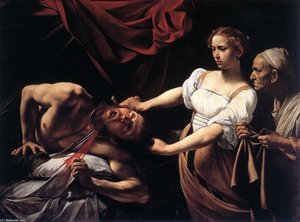
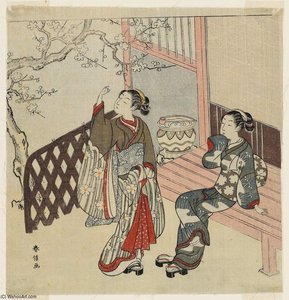
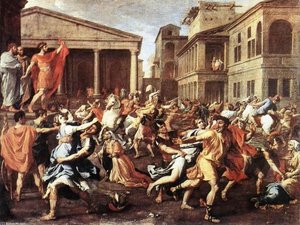
c. 1800–1900 CE
An era of rapid industrialization and socio-political upheaval that shattered traditional academic hegemony. Artistic production fragmented into a succession of revolutionary movements: the emotional intensity of Romanticism, the unvarnished truth of Realism, and the ephemeral light studies of Impressionism. This period fundamentally redefined the relationship between the artist and modern society.

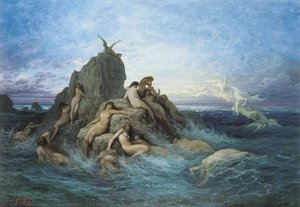
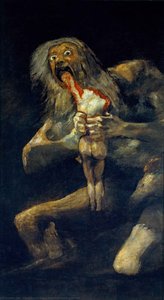
c. 1900–1970 CE
Defined by a radical rejection of traditional representation and the celebration of the avant-garde. Spurred by global conflicts and technological acceleration, artists embraced abstraction and conceptual experimentation. Movements such as Cubism, Expressionism, and Pop Art interrogated the very definition of art, reflecting the fragmented psychological landscape of twentieth-century life.

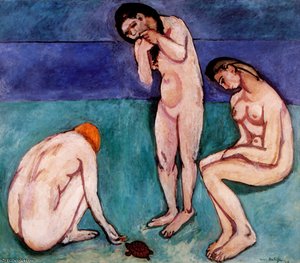

c. 1970–Present
Encompassing diverse artistic practices from the late twentieth century to the present day. Characterized by pluralism and postmodern critique, this era moves beyond singular movements to embrace installation, performance, and digital media. Artists engage directly with global networks, questioning identities, geopolitical structures, and the boundaries of an increasingly interconnected visual culture.

Every great painting, hand-reproduced in oil and delivered ready to hang. Find yours.
画家の視点、そして世界が絵画を見るあり方を変えた、さまざまな芸術運動(ムーブメント)からコレクションを探索する。


Rejecting idealized academic conventions and dramatic romanticism, Realism emerged in the mid-19th century as a deliberate effort to document everyday life with unvarnished objectivity. Painters focused on the working class, mundane tasks, and contemporary social realities, favoring earthy palettes and honest representation over mythologized or heroic subjects.
コレクションを探索する


Developed in the late 19th and early 20th centuries, this movement captured the changing landscape of American life with profound honesty. Artists documented rapidly growing urban centers, industrial labor, and quiet rural communities, creating a distinct visual identity that reflected the social transformations, grit, and unique character of a developing nation.
コレクションを探索する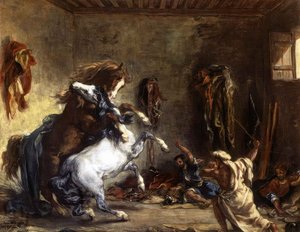


Arising in the late 18th century as a critique of Enlightenment rationalism, Romanticism championed intense emotion, individual imagination, and the awesome power of nature. Artworks from this period frequently feature dramatic compositions, rich colorism, and a fascination with the sublime, emphasizing human vulnerability against vast, untamable elements.
コレクションを探索する


Originating in late 19th-century France, Impressionism revolutionized Western painting by discarding formal studio practices for plein-air execution. Characterized by loose, visible brushwork and a vivid palette, artists prioritized the shifting effects of light, atmospheric conditions, and transient everyday moments over precise line and traditional narrative content.
コレクションを探索する


Emerging as an extension of and reaction to Impressionism, this diverse late 19th-century movement shifted focus from objective sensory perceptions to structured, symbolic expression. Artists employed vivid, non-naturalistic color, thick paint application, and defined geometric forms to explore personal psychological depths and greater formal order on the canvas.
コレクションを探索する


This late 19th-century avant-garde movement rejected literal representation in favor of expressing ideas, psychological states, and spiritual truths through metaphorical imagery. Heavily influenced by poetry and mysticism, artists constructed dreamlike, allegorical scenes that prioritized internal emotions, mythology, and the subconscious over the objective observation of the natural world.
コレクションを探索する
Inspired by the archaeological rediscovery of classical antiquity, Neoclassicism dominated the late 18th century by emphasizing rationality, order, and civic virtue. Reacting against late Baroque decorative excesses, paintings feature austere, symmetric compositions, linear precision, smooth surfaces, and historical subject matter designed to inspire moral clarity and political duty.
コレクションを探索する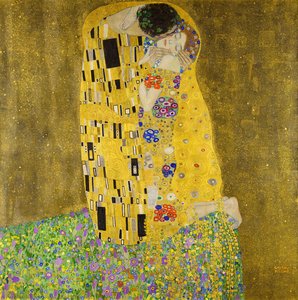


Flourishing at the turn of the 20th century, Art Nouveau sought to break down the traditional hierarchy between fine art and applied arts. Visually defined by sinuous, flowing lines, organic curves, and elegant botanical motifs, the movement aimed to create a harmoniously integrated aesthetic environment encompassing painting, architecture, and decorative objects.
コレクションを探索する
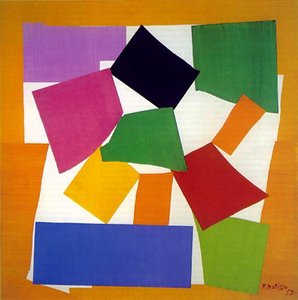
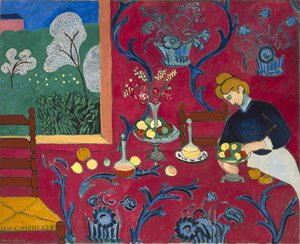
Pioneered in the early 20th century, Fauvism was characterized by its revolutionary use of explosive, non-naturalistic color and raw, visible brushwork. Artists liberated color from its traditional descriptive role, employing pure, unmodulated pigments directly from the tube to project intense emotion and establish structural rhythm independent of literal reality.
コレクションを探索する

Encouraged by the Counter-Reformation in the 17th century, Baroque art is defined by dynamic movement, theatrical grandeur, and intense emotional appeal. Masters used pronounced chiaroscuro — a sharp contrast between deep shadow and piercing light — to craft deeply immersive, awe-inspiring compositions that engaged the viewer's spirituality through vivid sensory experiences.
コレクションを探索する
Marking the transition from the medieval period to modernity, the Renaissance witnessed a profound revival of classical Greco-Roman learning and philosophy. Artistically, this era introduced revolutionary advancements in linear perspective, anatomical precision, and balanced, harmonious proportions, synthesizing deep Christian devotion with a newly awakened scientific humanism and naturalism.
コレクションを探索する


Originating in early 20th-century northern Europe, Expressionism prioritized the depiction of subjective psychological states over objective external reality. Artists utilized radical formal distortion, harsh jagged lines, and jarring, unnatural colors to project internal anxieties, alienation, and raw emotional intensity, frequently offering a pointed critique of modern industrial society.
コレクションを探索する

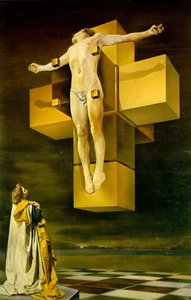
Founded in the 1920s, Surrealism aimed to bridge the fractured boundaries between dream and reality by liberating the creative power of the subconscious mind. Influenced deeply by psychoanalysis, artists utilized unexpected, bizarre juxtapositions, automatism, and illusionistic techniques to challenge rational thought and explore the poetic logic of the unconscious.
コレクションを探索する

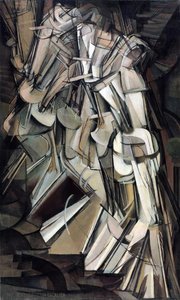
Co-founded in the early 20th century, Cubism radically dismantled centuries of traditional perspective by deconstructing objects into flat, geometric facets. Instead of depicting a subject from a single static viewpoint, artists rendered figures from multiple angles simultaneously, asserting the canvas as a conceptual, two-dimensional construction rather than an illusionistic window.
コレクションを探索する


Emerging in the mid-20th century, Pop Art challenged the elitism of traditional fine art by incorporating imagery from popular culture, mass media, and consumerism. Utilizing commercial printing techniques, comic strip aesthetics, and bold advertising palettes, artists mirrored and critiqued post-war society, effectively blurring the boundaries between high and low culture.
コレクションを探索する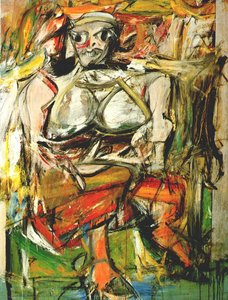
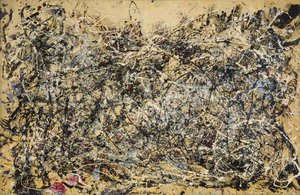

Developing in post-World War II New York, Abstract Expressionism shifted the focus of painting to pure abstraction and monumental scale. Through spontaneous gestural brushwork, action painting, and expansive color fields, artists sought to communicate universal human emotions and cross-cultural spiritual truths directly from the subconscious, emphasizing the physical act of creation.
コレクションを探索する
Spanning the late 19th to mid-20th centuries, Modernism represents a broad, experimental break from classical academic traditions in response to rapid industrialization and global change. Embracing the ethos of constant reinvention, artists systematically questioned the nature of representation, exploring fragmentation, abstraction, and the intrinsic qualities of their artistic mediums.
コレクションを探索するProduced from the late 20th century to the present, Contemporary art is characterized by a globally diverse, institutionally critical, and technologically fluid landscape. Moving beyond traditional boundaries of style and medium, artists utilize conceptual frameworks, digital tools, and multimedia installations to engage dynamically with urgent themes of identity, globalization, and socio-political critique.
コレクションを探索する世界中の数千もの機関が所蔵する傑作をカタログ化しています。コレクションを探索し、その作品をご自宅へ。

モネ、ゴッホ、ホーナーの名作が集うシカゴ美術館!印象派から現代アートまで、数々の傑作を鑑賞し、壮大な建築とアートの世界に浸りましょう。エジプト美術やアジア美術も必見です。
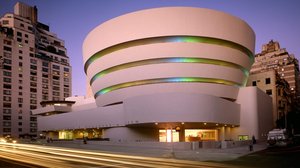
ニューヨークのグッゲンハイム美術館で、フランク・ロイド・ライト建築とカンディンスキーらの傑作を鑑賞!革新的な文化体験をどうぞ。#現代アート #ニューヨーク旅行

🏛️ ワシントンD.C.のナショナル・ギャラリー・オブ・アートで、セザンヌやマティスらの傑作を鑑賞🎨 入場無料!印象派からモダンアートまで、美の世界へ誘う旅✨ #美術館 #ワシントンDC

レンブラントからモネ、ピカソまで!ワシントンD.C.の国立美術館で、ルネサンスから現代アートまでを無料で堪能。名画の数々を心ゆくまでお楽しみください。 アメリカ合衆国 ワシントンD.C. 国立美術館 ルネサンス期の巨匠作品 膨大、数世紀にわたる 美術館 1937 1927年 1 国立美術館はいつ設立されましたか?
共通のテーマに基づいた3つの読み物 —— 私たちのコレクションに収められた作品への理解をより深めていただくために、編集チームが厳選しました。
 電子書籍
電子書籍
ホテルデザインにおける大規模壁画の委託を成功させるための包括的ガイド。コンセプト開発からアーティスト選定、制作・メンテナンスまで、空間価値を高めブランドアイデンティティを確立するノウハウを解説します。
 電子書籍
電子書籍
伝説的な名画を高品質な複製画で。空間に深みと感情をもたらすアート作品を、豊富な種類からお選びいただけます。美術史に基づいた正確な再現と、プロのインテリアアドバイスをご提供します。
 電子書籍
電子書籍
バケーションホームの価値を最大化するアートキュレーション戦略。ターゲット層に合わせた作品選定、ホテルデザインにおける空間体験向上、WahooArtを活用した効率的な調達方法まで解説します。
下の選択肢から回答を選び、リンク先の専用ページで全5問のチャレンジに挑戦してください。
École Nationale Supérieure des Beaux-Artsの主な目的は何ですか? — Paris, France
この絵画の画家は誰ですか?
ヴィレム・ファン・デル・フェルデは主にどのような技法で知られていましたか?
すべての複製画は、私たちのアーカイブから始まります。美術館品質の写真や学術的なカタログを通じて原画を精査し、色彩、質感、そして比率の細かなニュアンスに至るまで、正確に再現することに努めています。
当スタジオには、古典的な技法を習得した画家が在籍しています。その多くは美術の学位を持ち、特定の時代や流派を専門としています。それぞれのアーティストの熟練度に合わせて、最適な作品の制作を割り当てています。
リネンおよびコットンキャンバス。100年以上の耐光性を備えた油彩絵具。美術館の修復作業で使用されるものと同一の成分によるニス。優れた複製画には、原画と同じ入念な手入れが必要だからです。


最新の美術ニュース、限定オファー、そしてインテリアのアイデアをいち早くお届けします。
お客様のプロジェクトについてお聞かせください。当社の美術専門家が、お客様に合わせた3つのパーソナライズされた芸術提案をご提供いたします。
あなたにぴったりの3作品を無料で厳選いたします