


x
当社のアーティストが、お客様のご希望のサイズと額縁に合わせて、キャンバスに手描きで制作する油彩画です。 ( プリント版に切り替え 画像に切り替え)





























作品のオリジナル比率に合わせた、当店の規定サイズからお選びください。

特定のフレームやスペースに合わせて、ご希望のサイズをご入力いただけます。選択されたサイズが元の画像の比率と異なる場合、アートワークをトリミングするか、手描きで要素を追加して絵画を拡張いたします。デジタルモックアップ を制作し、制作開始前にご確認(承認)をいただきます。
画面上のプレビューは、実際のトリミングや拡張を正確に反映しているものではありません。最終的な構図は、モックアップによってのみ正確にご確認いただけます。
カスタムサイズもご利用いただけますが、元の比率を維持するためには、あらかじめ用意されたリストからサイズを選択することをお勧めいたします。

皿
複製画のサイズ

Johannes Lutma the elder (born c. 1584 in Emden, Germany; died January 1669 in Amsterdam) stands as a pivotal figure in the late 17th-century Dutch goldsmithing scene – a period marked by unprecedented artistic innovation and opulent craftsmanship. Often overshadowed by his more famous contemporaries like Rembrandt, Lutma’s legacy lies in his pioneering work with “auricular” style silver, a technique that redefined decorative possibilities and profoundly influenced subsequent generations of artisans. His life was one of constant movement and adaptation, beginning in the German Rhineland before settling permanently in Amsterdam, where he established himself as a leading designer for wealthy patrons and ecclesiastical institutions.
Lutma’s early training remains somewhat shrouded in mystery, though it is generally accepted that he studied under Paulus van Vianen, a master known for his distinctive “auricular” style – characterized by smooth, ear-like forms. This stylistic approach, emphasizing flowing curves and subtle ornamentation, became the foundation of Lutma's own artistic vocabulary. Following a period in Paris around 1615, where he likely honed his skills amidst the burgeoning artistic scene, Lutma arrived in Amsterdam in 1621, marrying Mayken Roelants shortly thereafter, and later Saera de Bie. His time in the bustling commercial center of Amsterdam proved to be fertile ground for his creative development, offering access to a wealthy clientele eager for luxurious objects.
Lutma’s most significant contribution to the art world was undoubtedly his mastery of the auricular style. This technique involved creating flowing, undulating surfaces on silver that mimicked the shape of an ear – hence the name. It wasn't merely a stylistic choice; Lutma elevated it into a sophisticated design principle, utilizing it to create intricate patterns and dynamic compositions. He skillfully combined this smooth, organic form with sharp angles, geometric shapes, and elaborate embellishments, resulting in a remarkably versatile aesthetic. His designs weren’t simply decorative; they possessed a sense of movement and rhythm that captivated viewers.
Crucially, Lutma didn't invent the auricular style entirely. It had roots in earlier German goldsmithing traditions, but Lutma refined it, pushing its boundaries and establishing a distinct visual language. He employed techniques like chasing (hammering metal to create raised designs) and repoussé (pushing metal from the back to create raised designs), combined with meticulous engraving, to achieve his desired effects. His work demonstrated an exceptional command of materials and a deep understanding of how light interacted with surface textures.
Lutma’s career produced a remarkable body of work, encompassing a diverse range of objects – from elaborate salt dishes and ewers to monumental choir screens and decorative cartouches. His most celebrated achievement is arguably the choir-screen for the Nieuwe Kerk (New Church) in Amsterdam, a breathtaking example of his artistic vision. This massive panel, executed around 1638, features intricate scenes depicting biblical narratives interwoven with classical motifs, showcasing Lutma’s ability to seamlessly blend different stylistic influences.
Beyond the choir-screen, Lutma created numerous exquisite salt containers, often adorned with mythological creatures and floral designs. These objects are prized for their exceptional craftsmanship and delicate detailing. His work also includes a series of cartouches – decorative frames used to enclose inscriptions or coats of arms – which demonstrate his mastery of miniature design and intricate engraving. The Rijksmuseum in Amsterdam houses several significant examples of Lutma’s oeuvre, offering invaluable insights into the breadth and depth of his artistic talent.
Despite not achieving widespread fame during his lifetime, Johannes Lutma's influence on subsequent generations of Dutch goldsmiths is undeniable. His innovative use of the auricular style paved the way for new approaches to decorative design, inspiring artists like his son, Johannes Lutma the Younger (Jan Lutma), who continued to develop and refine his father’s techniques. Lutma’s designs were also widely disseminated through printed series of engravings, ensuring their enduring popularity and influence.
Furthermore, Lutma's work reflects a broader cultural shift in 17th-century Europe – a move towards greater individualism and artistic experimentation. His willingness to challenge established conventions and embrace new stylistic approaches cemented his place as a key figure in the development of Dutch goldsmithing and a testament to the enduring power of artistic innovation.

1587 - 1669 , Germany

Explore the life & work of Anton von Werner, Imperial Germany's leading painter. Discover his dramatic depictions of war, unification, and court life – a fascinating insight into 19th-century German history & art.

ホテルデザインにおける空間の共鳴を追求。デザイン史学に基づき、美術複製が顧客体験とブランドイメージを高める効果的な活用法を解説します。色彩、構図、素材選びの専門知識も提供。
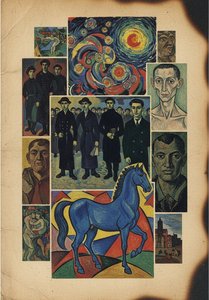
Explore 10 defining German Expressionism masterpieces – from Munch's 'The Scream' to Kandinsky’s abstracts. Discover the artists, stories & bold colors behind this powerful art movement. Find museum-quality reproductions at Most-Famous-Paintings.com.

Explore the life & art of Sir Hubert von Herkomer, a pivotal Victorian realist painter. Discover his powerful portraits, social commentary & pioneering film work. Learn about his legacy and find high-quality reproductions at Most-Famous-Paintings.

Explore the captivating world of Art Nouveau! Discover its origins, key artists like Horta & Mucha, regional styles, innovative techniques, and lasting influence on architecture & design. A comprehensive guide for art enthusiasts.


最新の美術ニュース、限定オファー、そしてインテリアのアイデアをいち早くお届けします。
お客様のプロジェクトについてお聞かせください。当社の美術専門家が、お客様に合わせた3つのパーソナライズされた芸術提案をご提供いたします。
あなたにぴったりの3作品を無料で厳選いたします


 プレビュー
プレビュー
 シェアする
シェアする シェアする
シェアする
 詳細を見る
詳細を見る

 ダウンロード
 似ている作品
 X線調査
X線調査 スライドショー


 詳細を見る
詳細を見る









 ガラスオプションは、110cm未満のサイズでのみご利用いただけます。


