作品を販売する
ウィッシュリスト ショッピングカート Cart
x
プレビュープレビュー ARで試着ARで試着 プリントを購入 プリントを購入画像を購入 画像を購入 シェアするシェアする
詳細を見る詳細を見る お気に入りに追加 お気に入りに追加 ダウンロードダウンロード 似ている作品似ている作品 X線調査X線調査 スライドショースライドショー

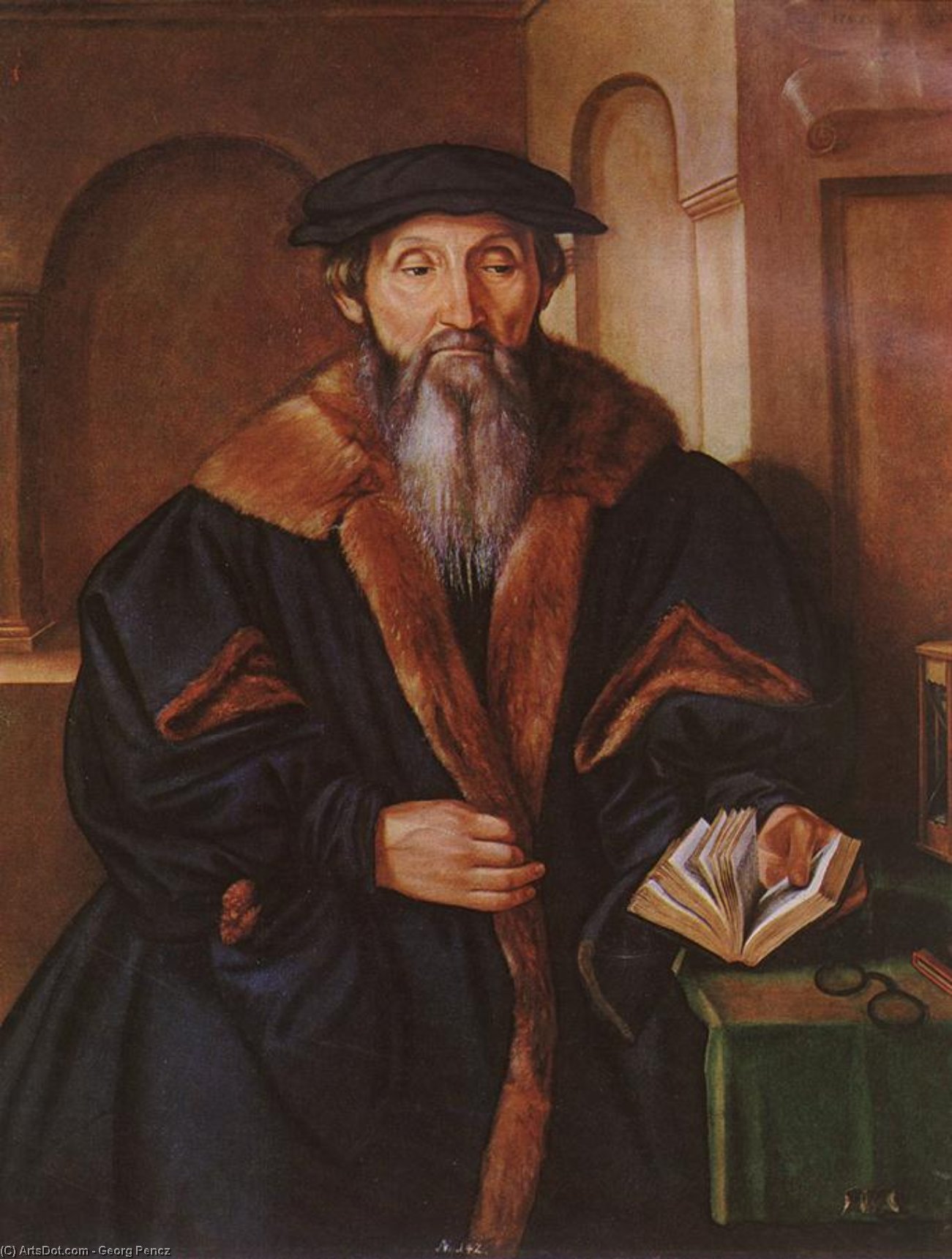
Portrait of a Man

A striking portrait of a bearded man in luxurious fur-lined attire, this 1540 German Renaissance work by Georg Pencz offers a profound historical connection for your art collection.

Explore the intricate engravings & portraits of Georg Pencz, a German artist influenced by Venetian art. Known as a 'Little Master,' his works depict biblical scenes & humanist subjects.

手描き油彩複製画

当社のアーティストが、お客様のご希望のサイズと額縁に合わせて、キャンバスに手描きで制作する油彩画です。 (プリントを購入 プリントを購入画像を購入 画像を購入)

P118B $10
P118H $10
P118W $10
P438Z $10
P508JH $12
P508YH $12
P805H $10
P805Z $10
P919BZ $10
P919G $10
P919XJ $10
P959ZH $10
P968JZ $12
W106C $8
W218G $10
W218JH $8
W218Y $10
W307PJ $10
W316G $10
W316PJ $8
W316Y $10
W398PJ $8
W4111J $10
W500HY $15
W500JH $15
W692G $12
W849H $8
W940BG $15
W953PJ $8

Standard
custom
CM
INCH

作品のオリジナル比率に合わせた、当店の規定サイズからお選びください。

高さ

特定のフレームやスペースに合わせて、ご希望のサイズをご入力いただけます。選択されたサイズが元の画像の比率と異なる場合、アートワークをトリミングするか、手描きで要素を追加して絵画を拡張いたします。デジタルモックアップ を制作し、制作開始前にご確認(承認)をいただきます。
画面上のプレビューは、実際のトリミングや拡張を正確に反映しているものではありません。最終的な構図は、モックアップによってのみ正確にご確認いただけます。
カスタムサイズもご利用いただけますが、元の比率を維持するためには、あらかじめ用意されたリストからサイズを選択することをお勧めいたします。

カスタマイズの例:顔をお客様の写真に置き換える、ペットを追加する(例:猫を犬に変更)、背景に隠れたメッセージを入れる、背景の風景や要素を変更するなど。
ご注文後、Most-Famous-Paintings.com チームより詳細な指示をお送りするとともに、仕上がりイメージ(モックアップ)をご提供いたします。

世界中への配送()は、通常の5週間ではなく、3〜4週間でお届けいたします。(16 8月)。品質には一切妥協いたしません。

why_choose_icon
世界中へ無料エクスプレス配送
why_choose_icon
高品質なリネンキャンバス
why_choose_icon
配送時完全保険付
why_choose_icon
関税・輸入税の払い戻し保証
why_choose_icon
忠実な色彩再現保証
why_choose_icon
60日間返品保証(製造上の欠陥のみ)
why_choose_icon
100% 全額返金保証
why_choose_icon
まとめ買い割引のご案内

合計金額

$ 272

reproduction

Portrait of a Man

複製技法

複製画のサイズ

-

合計金額

$ 272


アーティストの略歴

A Life Etched in Renaissance Germany: The World of Georg Pencz

Georg Pencz, born around 1500 in the Franconian town of Bad Windheim, stands as a compelling figure within the German Renaissance—a master engraver, painter, and printmaker whose career unfolded against a backdrop of religious upheaval and artistic innovation. While precise details of his early life remain elusive, we know he embarked on a journey to Nuremberg around 1523, a city then pulsating with creative energy under the influence of Albrecht Dürer. Joining Dürer’s workshop proved pivotal; it was here that Pencz honed his skills and absorbed the technical brilliance that would define his own artistic path. However, Pencz wasn't merely an imitator. He possessed a unique sensibility, one deeply attuned to the changing currents of thought and expression sweeping across Europe. His travels extended beyond Nuremberg, notably including visits to Italy where he encountered the vibrant art of Venice—an experience that profoundly shaped his aesthetic vision.

The ‘Little Master’ and the Power of Printmaking

Pencz quickly established himself as a formidable talent in the burgeoning field of printmaking. In 1525, a dramatic turn of events saw him imprisoned alongside Barthel Beham and Hans Sebald Beham for their association with the radical religious reformer Thomas Müntzer. This shared experience forged a bond between the three artists, leading to their collective designation as the “Little Masters.” Despite their relatively small scale—their prints were often diminutive in size—these works exerted an enormous influence on subsequent generations of printmakers. Pencz’s engravings are characterized by their intricate detail, refined draftsmanship, and a keen observation of human character. He moved beyond traditional religious iconography, exploring secular themes and humanist subjects with a fresh perspective. His series *Six Triumphs of Petrarch* exemplifies this shift, showcasing scenes inspired by the Italian poet's sonnets—a testament to his engagement with classical literature and Renaissance ideals. The *Life of Christ*, comprising 26 plates, demonstrates his ability to narrate complex biblical stories with clarity and emotional depth.

Beyond the Engraving: Painting and Trompe-l’œil Illusion

While celebrated primarily as an engraver, Pencz was also a skilled painter. He became particularly renowned for his *trompe-l'œil* ceiling paintings in Nuremberg—optical illusions designed to deceive the eye into perceiving three-dimensional space where none existed. One surviving drawing depicts a scene of workmen raising building materials on a hoist against an open sky, creating the impression that the room was still under construction. These works reveal Pencz’s mastery of perspective and his playful engagement with illusionism—a technique favored by Renaissance artists seeking to blur the boundaries between art and reality. His portraits, executed with meticulous detail and psychological insight, further demonstrate his versatility as a painter. Works like *Portrait of a Young Man*, *Portrait of Marshal Schirmer*, and *Portrait of Erhard Schwetzer and his wife* capture the individuality and social standing of their sitters with remarkable sensitivity.

A Courtly Appointment and Lasting Legacy

In 1539, Pencz briefly returned to Italy, visiting Rome for the first time before returning to Nuremberg in 1540. This period marked a turning point in his career; he was appointed city painter and achieved significant success as a portraitist. His reputation continued to grow, culminating in his appointment as court painter by Albert, Duke of Prussia, in 1550. Sadly, Pencz died in Leipzig the same year, before he could take up his new position. Despite his relatively short life, Georg Pencz left an indelible mark on German art. He bridged the gap between the late Gothic tradition and the emerging styles of the High Renaissance, blending technical precision with humanist ideals and a keen understanding of human psychology. His prints continue to captivate viewers with their intricate detail and expressive power, while his paintings offer a glimpse into the lives and sensibilities of 16th-century Germany.

Historical Significance and Rediscovery

The story of Georg Pencz is not without its shadows. In March 1939, during the Nazi regime, his painting *Young Couple in a Landscape* was seized from the Jewish collector Arthur Feldmann, who tragically perished in the Holocaust. The artwork resurfaced at Sotheby’s in 1946 and eventually found its way into the collection of Rosi Schilling, who generously donated it to the British Museum. In 2013, after years of research and advocacy, the museum settled a claim for Nazi spoliation from Feldmann's grandson, returning the painting to his rightful heirs—a poignant reminder of the enduring importance of restitution and the preservation of cultural heritage. Today, Georg Pencz is recognized as one of the most important German artists of the Renaissance, his works held in major museums and collections worldwide. His legacy continues to inspire artists and scholars alike, ensuring that his name will be etched forever in the annals of art history.
Georg Pencz

Georg Pencz

1500 - 1550 , Germany

基本情報

  • Artistic Movement Or Style: High Renaissance
  • Artists Or Movements Influenced By This Artist: ['Da Vinci family']
  • Artists Who Influenced This Artist: ['Andrea del Verrocchio']
  • Date Of Birth: April 15, 1452
  • Date Of Death: May 2, 1519
  • Full Name: Leonardo di ser Piero da Vinci
  • Nationality: Italian
  • Notable Artworks:
    • Mona Lisa
    • The Last Supper
    • Vitruvian Man
  • Place Of Birth: Vinci, Italy