


x

მუზეუმის დონის ჟიკლე ან ტილოზე ბეჭდვა სწრაფი წარმოებისა და დასრულების მოქნილი ვარიანტებით. ( შეიძინეთ ხელით შესრულებული ნახატი შეიძინეთ გამოსახულება)





























აირჩიეთ ჩვენს მიერ წინასწარ განსაზღვრული ზომებიდან, რომლებიც ნაწარმოების ორიგინალურ პროპორციებს შეესაბამება.

თქვენ შეგიძლიათ მიუთითოთ საკუთარი ზომები კონკრეტული ჩარჩოსთვის ან სივრცისთვის მოსარგებლებლად. თუ თქვენ მიერ არჩეული ზომა არ შეესაბამება ორიგინალი გამოსახულების პროპორციებს, ჩვენ ან დავჭრით ნამუშევარს, ან გავაფართოვებთ გამოსახულებას სარკული ან ერთფეროვანი კიდეებით. წარმოების დაწყებამდე თქვენს დასამტკიცებლად გამოგეგზავნებათ ციფრული მაკეტი.
გთხოვთ, გაითვალისწინოთ, რომ ეკრანზე ნაჩვენები წინასწარი ნახვა არ ასახავს რეალურ ჭრას ან გაფართოებას. მხოლოდ მაკეტზე იქნება ზუსტად წარმოდგენილი საბოლოო კომპოზიცია.
მიუხედავად იმისა, რომ ინდივიდუალური ზომები ხელმისაწვდომია, ორიგინალური პროპორციების შესანარჩუნებლად გირჩევთ, აირჩიოთ ზომა წინასწარ განსაზღვრული სიისგან.
მიწოდება მთელ მსოფლიოში () 2 კვირაში, სტანდარტული 4/5 კვირის ნაცვლად. (14 აგვისტო)


Marushka
რეკლამაციის ზომა
Alphonse Mucha’s “Marushka,” completed in 1926, stands as one of the most monumental canvases from his celebrated Slav Epic series—a testament to Czech national identity and a masterful embodiment of Art Nouveau principles. Commissioned by Czechoslovakia's Ministry of Propaganda during its centenary celebrations, this colossal artwork transcends mere decorative grandeur; it’s an immersive experience into the realm of Slavic folklore and a breathtaking demonstration of Mucha’s unparalleled artistic vision.
Mucha approached “Marushka” with meticulous precision, employing tempera paint on linen—a technique favored by Czech artists of his era—to achieve luminous hues and textural depth. The artist's signature brushwork is characterized by loose, expressive strokes that convey movement and dynamism, mirroring the turbulent history of Slavic peoples depicted within the canvas. However, it’s Mucha’s stylistic allegiance to Art Nouveau that truly defines this masterpiece. Flowing lines dominate the composition, intertwining seamlessly with organic forms inspired by botanical motifs—particularly lilies and irises—creating a visual harmony reminiscent of Japanese woodcuts.
"Marushka" delves into the rich tapestry of Slavic mythology, portraying Mariuška—a young Slav woman—as a beacon of hope amidst the shadows of war and oppression. The figure is positioned centrally within a stylized landscape dominated by vibrant floral arrangements symbolizing fertility and renewal. Mucha’s deliberate use of color—particularly golds and reds—amplifies the canvas's emotional impact, conveying both regal dignity and fervent patriotism. Recurring motifs such as lilies (representing purity) and irises (symbolizing resurrection) underscore the overarching narrative: a celebration of Slavic resilience and an affirmation of cultural heritage.
The creation of “Marushka” coincided with Czechoslovakia's declaration of independence in 1918 following the collapse of Austro-Hungarian Empire. The artwork served as a powerful symbol of national unity and aspiration during this pivotal moment in Czech history—a visual manifesto intended to inspire pride and reaffirm faith in the nation’s future. Mucha’s collaborators meticulously researched Slavic traditions, ensuring that “Marushka” accurately reflected the collective memory of its people.
"Marushka" continues to captivate audiences today with its breathtaking beauty and profound symbolic significance. More than just a painting, it's an emblem of Czech artistic heritage—a reminder that art can serve as a conduit for cultural identity and historical commemoration. Its enduring appeal lies in Mucha’s ability to translate mythos into visual splendor, creating an artwork that transcends time and speaks directly to the human spirit.

1860 - 1939 , საქართველო

აღმოფრთოვანდით სიმბოლიზმის 10 უმშვენიერეს შედევრს! განიხილეთ გამოჩენილი მხატვრების ტილოები, მათი ისტორია და მნიშვნელობა. Most-Famous-Paintings-ზე შეიძინეთ მაღალი ხარისბის ხელოვნების რეპროდუქციები და შექმნით თქვენი ოცნების ინტერიერი. იხილეთ სრული კოლექცია ონლაინ!

Elevate your space with strategic art rotation! Discover expert tips for curated collections, seasonal decor & preserving your investment. Transform your home into a dynamic gallery.
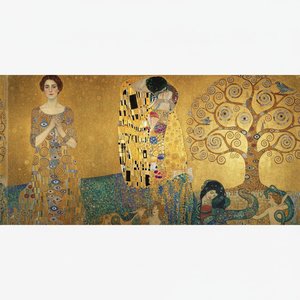
გუსტავ კლიმტის 25 შედევრი – ოქროს ფაზა, სეკეციონი და სიმბოლიზმის უნიკალური სამყარო. გაიგეთ ნახატების ისტორია და შეიძინეთ ხელოვნების რესპროდუქციები Most-Famous-Paintings-ზე. სახლის დეკორი თქვენს გემოვნებით!

აღმოფრთოვანდით არტ ნუვოს 10 შედევრით! ალფონს მუხა, კლიმტი და სხვა გენიოსების გამორჩეული ნახატები. შეიგრძენით ამ მოძრაობის máгия და იხილეთ როგორ განათავსებენ ხელოვნებას თქვენს სახლში. იხილეთ ყველა შედევრი Most-Famous-Paintings.com-ზე!

Explore the exquisite botanical illustrations of Jacques Barraband (1767-1809). Discover his stunningly accurate bird paintings, commissioned by Napoleon, and learn about his lasting legacy in art & science. Shop museum-quality reproductions at Most-Famous-Paintings.


ყოველთვის პირველი იყავით უახლესი ხელოვნების სიახლეების, ექსკლუზიური შეთავაზებებისა და დეკორაციის იდეების შესახებ ინფორმირებული.
გვიამარტეთ თქვენი პროექტის შესახებ და ჩვენი ხელოვნების ექსპერტები მოგაწვდით 3 პერსონალიზებულ რეკომენდაციას.
დაგვიძlinეთ სამი ვარიანტის შერჩევა სპეციალურად თქვენთვის – უფასოდ!


 წინასწარი ნახვა
 გაგზავნა
 გაზიარება
 დეტალები

 ჩამოტვირთვა
 მსგავსები
 რენტგენოგრაფიული კვლევა
 სლაიდშოუ
 გადასართად დაწვრილებით ნახეთ







 მინის ჩარჩოს არჩევანი ხელმისაწვდომია მხოლოდ 110 სმ-ზე ნაკლები ზომისთვის


