


x

მუზეუმის დონის ჟიკლე ან ტილოზე ბეჭდვა სწრაფი წარმოებისა და დასრულების მოქნილი ვარიანტებით. ( შეიძინეთ ხელით შესრულებული ნახატი შეიძინეთ გამოსახულება)





























აირჩიეთ ჩვენს მიერ წინასწარ განსაზღვრული ზომებიდან, რომლებიც ნაწარმოების ორიგინალურ პროპორციებს შეესაბამება.

თქვენ შეგიძლიათ მიუთითოთ საკუთარი ზომები კონკრეტული ჩარჩოსთვის ან სივრცისთვის მოსარგებლებლად. თუ თქვენ მიერ არჩეული ზომა არ შეესაბამება ორიგინალი გამოსახულების პროპორციებს, ჩვენ ან დავჭრით ნამუშევარს, ან გავაფართოვებთ გამოსახულებას სარკული ან ერთფეროვანი კიდეებით. წარმოების დაწყებამდე თქვენს დასამტკიცებლად გამოგეგზავნებათ ციფრული მაკეტი.
გთხოვთ, გაითვალისწინოთ, რომ ეკრანზე ნაჩვენები წინასწარი ნახვა არ ასახავს რეალურ ჭრას ან გაფართოებას. მხოლოდ მაკეტზე იქნება ზუსტად წარმოდგენილი საბოლოო კომპოზიცია.
მიუხედავად იმისა, რომ ინდივიდუალური ზომები ხელმისაწვდომია, ორიგინალური პროპორციების შესანარჩუნებლად გირჩევთ, აირჩიოთ ზომა წინასწარ განსაზღვრული სიისგან.
მიწოდება მთელ მსოფლიოში () 2 კვირაში, სტანდარტული 4/5 კვირის ნაცვლად. (15 აგვისტო)


Nude
რეკლამაციის ზომა
Alphonse Maria Mucha stands as one of the most recognizable figures of Art Nouveau, an artistic movement that flourished between 1890 and 1910 across Europe. Born in Brno, Czech Republic, in 1860, Mucha rejected the rigid academic traditions of his time, forging a path toward a uniquely expressive style rooted in observation and imagination.
His artistic journey began with studies at Prague’s Academy of Fine Arts, where he quickly recognized the limitations of conventional methods. Driven by an innate desire for innovation, he relocated to Paris in 1887, establishing himself amidst a vibrant intellectual milieu and immersing himself in the burgeoning Art Nouveau aesthetic.
Mucha's signature style is instantly identifiable: flowing lines reminiscent of plant stems and vines dominate his compositions, creating a mesmerizing sense of movement. Organic forms intertwine seamlessly with geometric shapes—particularly spirals—reflecting the influence of mathematicians like Ernst Haeckel and embodying the belief in harmony between nature and science that characterized the era.
The painting “Nude,” often referred to as “La Femme Nue,” exemplifies Mucha’s masterful technique. Employing tempera on canvas, he achieved remarkable luminosity and textural depth through meticulous layering of pigments. The artist skillfully utilized glazing—applying thin translucent layers over opaque colors—to build up subtle gradations of tone and color, capturing the ethereal beauty of the female nude with unparalleled sensitivity.
Beyond its aesthetic merits, “Nude” is laden with symbolic significance. Mucha’s depictions of women frequently explore themes of femininity, purity, and spiritual awakening. The veiled face—a recurring motif in his oeuvre—represents modesty and contemplation, inviting viewers to engage in a dialogue about inner beauty and transcendence.
Historically situated within the broader context of Art Nouveau's fascination with mythology and folklore, “Nude” draws inspiration from classical ideals of feminine grace. It echoes the artistic explorations undertaken by Gustave Moreau and Piero Dorazio, artists who similarly sought to elevate art beyond mere decorative function into a vehicle for conveying profound emotional and intellectual ideas.
The painting’s impact extends far beyond its time, continuing to inspire contemporary artists and designers. Its elegant simplicity combined with evocative symbolism ensures that “Nude” remains a timeless masterpiece—a testament to Mucha's visionary artistry and the enduring allure of Art Nouveau’s enchanting vision of beauty.


1860 - 1939 , საქართველო
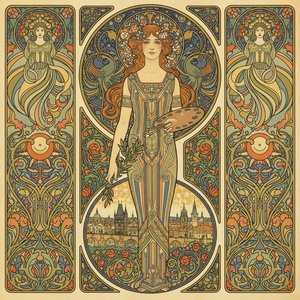
Explore the life & art of Alphonse Mucha, master of Art Nouveau! Discover his iconic posters, stunning illustrations, and the monumental Slav Epic. A comprehensive guide for collectors & enthusiasts.

Immerse yourself in the romantic allure of Art Nouveau. Explore the sinuous curves and floral elegance of the Belle Époque through our exquisite, hand-painted reproductions. Discover a timeless connection to nature’s beauty with our museum-quality collection.

აღმოფრთოვანდით არტ ნუვოს 10 შედევრით! ალფონს მუხა, კლიმტი და სხვა გენიოსების გამორჩეული ნახატები. შეიგრძენით ამ მოძრაობის máгия და იხილეთ როგორ განათავსებენ ხელოვნებას თქვენს სახლში. იხილეთ ყველა შედევრი Most-Famous-Paintings.com-ზე!

Discover the enchanting world of Art Nouveau. Explore the organic beauty, flowing lines, and Belle Époque elegance that defined an era of unparalleled craftsmanship and natural inspiration.

Explore the captivating history of nude art! Discover iconic paintings & artists from classical to modern eras. Uncover symbolism, techniques & find museum-quality reproductions at Most-Famous-Paintings.


ყოველთვის პირველი იყავით უახლესი ხელოვნების სიახლეების, ექსკლუზიური შეთავაზებებისა და დეკორაციის იდეების შესახებ ინფორმირებული.
გვიამარტეთ თქვენი პროექტის შესახებ და ჩვენი ხელოვნების ექსპერტები მოგაწვდით 3 პერსონალიზებულ რეკომენდაციას.
დაგვიძlinეთ სამი ვარიანტის შერჩევა სპეციალურად თქვენთვის – უფასოდ!


 წინასწარი ნახვა
 გაგზავნა
 გაზიარება
 დეტალები

 ჩამოტვირთვა
 მსგავსები
 რენტგენოგრაფიული კვლევა
 სლაიდშოუ
 გადასართად დაწვრილებით ნახეთ







 მინის ჩარჩოს არჩევანი ხელმისაწვდომია მხოლოდ 110 სმ-ზე ნაკლები ზომისთვის


