


x

ტილოზე შესრულებული ფერწერიანი ზეთប្រდათი, თქვენთვის სასურველი ზომისა და ჩარჩოსთვის, ჩვენი ხელოვანების მიერ შეკვეთის საფუძველზე დამზადებული. ( Switch to Print Switch to Image)





























აირჩიეთ ჩვენს მიერ წინასწარ განსაზღვრული ზომებიდან, რომლებიც ნაწარმოების ორიგინალურ პროპორციებს შეესაბამება.

თქვენ შეგიძლიათ მიუთითოთ თქვენთვის სასურველი ზომები კონკრეტული ჩარჩოს ან სივრცის შესაბამისად. თუ თქვენ მიერ არჩეული ზომა არ შეესაბამება ორიგინალი გამოსახულების პროპორციებს, ჩვენ ან შევაჭრებთ ნაწარმოებს, ან ტილოზე დავამატებთ ხელით მოხატულ ელემენტებს. წარმოების დაწყებამდე, დამტკიცებისთვის გამოგეგზავნებათ ციფრული მაკეტი.
გთხოვთ, გაითვალისწინოთ, რომ ეკრანზე ნაჩვენები წინასწარი შეხედულება არ ასახავს რეალურ შეჭრას ან გაფართოებას. საბოლოო კომპოზიციას ზუსტად მხოლოდ მაკეტი წარმოაჩენს.
მიუხედავად იმისა, რომ შესაძლებელია ინდივიდუალური ზომების შერჩევა, ორიგინალური პროპორციების შენარჩუნებისათვის გირჩევთ, გამოიყენოთ წინასწარ განსაზღვრული სიის ზომები.
მიწოდება მსოფლიო მასშტაბით -ში 3/4 კვირაში, სტანდარტული 5 კვირის ნაცვლად. (29 ივლისი). ხარისხზე კომპრომისის გაკეთება არ მოხდება.


perfecta
რეკლამაციის ზომა
Alphonse Maria Mucha stands as one of the undisputed icons of Art Nouveau, a movement that swept across Europe between 1890 and 1910. Born in Brno, Moravia (then Austro-Hungarian Empire), Mucha’s early life was marked by academic pursuits at Prague Academy, yet he swiftly rejected the rigid conventions of classical art, embarking on a path toward artistic liberation fueled by Impressionism and Symbolism.
Paris beckoned in 1887, offering Mucha the freedom to cultivate his singular vision. He established a studio near Montmartre, immersing himself in experimentation with etching, lithography, painting, and decorative arts—skills that would become inextricably linked to his enduring legacy. Influenced by artists like Pierre-Auguste Renoir and Gustave Moreau, Mucha honed his distinctive style: flowing lines reminiscent of plant stems and vines, organic forms mirroring the natural world, and a palpable sense of movement capturing the ethereal beauty of femininity.
His most celebrated works exemplify this mastery. “The Slavonic Uprising,” conceived in 1894, brilliantly blends Czech folklore with Art Nouveau’s stylistic precepts. The poster depicts a woman warrior wielding a sword—a potent symbol of Slavic resilience and defiance against oppression—amidst stylized floral ornamentation.
Moreau's influence is palpable in Mucha’s illustrations for “La Ribambelle des Gobelins,” where he reimagined Gustave Moreau’s fantastical tableau vivant as a series of decorative panels. This project showcased Mucha’s ability to transform literary narratives into immersive visual experiences.
Beyond mere decoration, Mucha's art sought to evoke emotion and inspire contemplation. He aimed not simply to represent beauty but to convey its transformative power—a goal achieved with remarkable consistency throughout his prolific career. Today, Mucha’s designs continue to captivate audiences worldwide, serving as a testament to the enduring allure of Art Nouveau’s visionary spirit.


1860 - 1939 , საქართველო

Step back into the glamour of the Roaring '20s! Explore 10 iconic artworks by artists like Tamara de Lempicka & Edward Hopper. Discover Art Deco, Jazz Age style & museum-quality reproductions at Most-Famous-Paintings.com. Explore the full collection online.
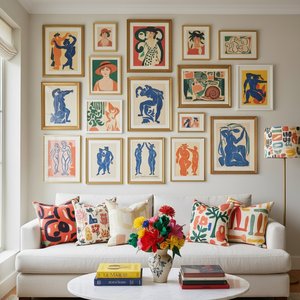
გაიცანით ანრი მატისის 25 შედევრი! ფოვიზმის ბრწყინვალება, ფერადი პორტრეტები და უნიკალური სტილი. ხელოვნების ისტორია Most-Famous-Paintings.com-ზე - მაღალი ხარისხის რეპროდუქციები თქვენი სახლისთვის. აღმოაჩინეთ მთელი კოლექცია ონლაინ!

Explore the rich symbolism of the red dress in art history! From ancient power displays to iconic portraits like Cézanne’s 'Madame Cezanne', discover the cultural and artistic significance behind this captivating color. Expert analysis & insights.

Explore the captivating world of vintage portrait art! Discover styles, techniques & the enduring appeal of 19th-century masterpieces. Expert restoration, custom reproductions & appraisal services at Most-Famous-Paintings.

გაიცანით ედვარდ მუნკის 25 შედევრი! ექსპრესიონიზმის გენიის ნახატები, შფოთვისა და მელანქოლიის ისტორია. შეიძინეთ ხარისხიანი რეკრეაციები Most-Famous-Paintings-ზე და შექმნით თქვენი სახლის უნიკალური ინტერიერი. აღმოაჩინეთ მთელი კოლექცია ონლაინ!


ყოველთვის პირველი იყავით უახლესი ხელოვნების სიახლეების, ექსკლუზიური შეთავაზებებისა და დეკორაციის იდეების შესახებ ინფორმირებული.
გვიამარტეთ თქვენი პროექტის შესახებ და ჩვენი ხელოვნების ექსპერტები მოგაწვდით 3 პერსონალიზებულ რეკომენდაციას.
დაგვიძlinეთ სამი ვარიანტის შერჩევა სპეციალურად თქვენთვის – უფასოდ!


 Preview
 გაგზავნა
 გაზიარება
 დეტალები

 ჩამოტვირთვა
 მსგავსები
 რენტგენოგრაფიული კვლევა
 სლაიდშოუ
 გადასართად დაწვრილებით ნახეთ







 მინის ჩარჩოს არჩევანი ხელმისაწვდომია მხოლოდ 110 სმ-ზე ნაკლები ზომისთვის


