x


 სურათის შეძენა გამოსახულების შეძენა
 გაგზავნა
 დეტალები
 დამატება ფავორიტებში
 ჩამოტვირთვა
 მსგავსები
 რენტგენოგრაფიული კვლევა
 სლაიდშოუ
 Oil On CanvasWallArtExpressionism
 189019th Century
 48.0 x 64.0 cm
მუზეუმის დონის ჟიკლე ან ტილოზე ბეჭდვა სწრაფი წარმოებისა და დასრულების მოქნილი ვარიანტებით.





























აირჩიეთ ჩვენს მიერ წინასწარ განსაზღვრული ზომებიდან, რომლებიც ნაწარმოების ორიგინალურ პროპორციებს შეესაბამება.

თქვენ შეგიძლიათ მიუთითოთ საკუთარი ზომები კონკრეტული ჩარჩოსთვის ან სივრცისთვის მოსარგებლებლად. თუ თქვენ მიერ არჩეული ზომა არ შეესაბამება ორიგინალი გამოსახულების პროპორციებს, ჩვენ ან დავჭრით ნამუშევარს, ან გავაფართოვებთ გამოსახულებას სარკული ან ერთფეროვანი კიდეებით. წარმოების დაწყებამდე თქვენს დასამტკიცებლად გამოგეგზავნებათ ციფრული მაკეტი.
გთხოვთ, გაითვალისწინოთ, რომ ეკრანზე ნაჩვენები წინასწარი ნახვა არ ასახავს რეალურ ჭრას ან გაფართოებას. მხოლოდ მაკეტზე იქნება ზუსტად წარმოდგენილი საბოლოო კომპოზიცია.
მიუხედავად იმისა, რომ ინდივიდუალური ზომები ხელმისაწვდომია, ორიგინალური პროპორციების შესანარჩუნებლად გირჩევთ, აირჩიოთ ზომა წინასწარ განსაზღვრული სიისგან.
მიწოდება მთელ მსოფლიოში () 2 კვირაში, სტანდარტული 4/5 კვირის ნაცვლად. (21 ივლისი)


Tavern in St. Cloud
რეკლამაციის ზომა
Most-Famous-Paintings.com presents a meticulously hand-painted reproduction of Edvard Munch's seminal work, “Tavern Scene” (1890), a painting that transcends its subject matter to become a potent symbol of the anxieties and uncertainties simmering beneath the surface of late 19th-century society. This isn’t merely a depiction of two men in a bar; it’s an intensely psychological portrait, rendered with a raw emotional honesty that continues to resonate powerfully today. Munch, deeply influenced by Symbolism and his own personal struggles – particularly the loss of his mother and sister to tuberculosis – sought not to represent reality objectively but to convey subjective experience, specifically the unsettling feeling of impending doom.
“Tavern Scene” is laden with symbolic meaning, reflecting Munch’s preoccupation with themes of death, illness, and psychological distress. The two men seated at the table are often interpreted as representations of the artist himself and his friend Herman Geinfeld, engaged in a conversation that borders on despair. The single, stark light source – likely representing an unseen, perhaps malevolent force – casts long, distorted shadows, amplifying the sense of dread. The empty space around the figures suggests isolation and loneliness, further emphasizing their vulnerability.
Key Symbolic Elements:Painted during a period of significant social and intellectual upheaval – the rise of industrialization, urbanization, and the questioning of traditional values – “Tavern Scene” reflects the growing anxieties of the modern age. Munch was part of a broader artistic movement that rejected realism in favor of exploring subjective experience and psychological states. His work anticipated many of the themes explored by Expressionist artists who would follow him, solidifying his place as a pioneer of modern art. The painting’s raw emotional power speaks to a universal human condition – the awareness of mortality and the struggle to find meaning in a chaotic world.
More than just a beautiful image, “Tavern Scene” is an emotionally charged work that invites contemplation and introspection. It’s a painting that demands attention, prompting viewers to confront their own fears and anxieties. Whether you are an art collector seeking to expand your collection of iconic works, an interior designer looking for a statement piece to evoke emotion and create atmosphere, or simply someone drawn to the power of artistic expression, this hand-painted reproduction offers a unique opportunity to experience the profound impact of Edvard Munch’s genius. Own a piece of art history that continues to resonate with its timeless exploration of the human psyche.

ედვარდ მუნკი, 1863 წელს ნორვეგიის მკაცრ ლანდშაფტებში დაბადებული მხატვარი, რომლის ნაწარმოებებიც თანสมัยობის ეპოქის შიშებისა და გრძნობრივი ტრაგიზმთან ასოცირდება. მისი ജീവിതს, რომელიც სიკვდილისა და მუდმივად არსებულ მელანქოლიასთან იყო განუყოფლად დაკავშირებული, უაღრესად გამოხატვითი ხელოვნების სათავეს წარმოადგენდა. ბავშვობიდანვე, დედისა და დას გარდაცვალების ტკივილით ნაჭრილი, მუნკმა სიკვდილის, ავადმყოფებისა და ადამიანური არსებობის ხაფითვის თემატიკას უაღრესი ძალით შეინახა. ეს გამოცდილებები 단순ი ბიოგრაფიული დეტალები არ იყო; ისინი მისი მხატვრული აღქმის საფუძველს წარმოადგენდნენ, შეუწყობდაუდებლად აძლიერებდნენ შიშების, მწუხარებისა და სურვილების შინაგანი სამყაროს შესწავლას. მამის მკაცრი რელიგიური შეხედულებები და მისივე 정신ის ავადმყოფობა კიდევ უფრო ღრმავებდა მუნკის სამყაროში არსებულ შიშს, რომელიც არა მხოლოდ მის προσωπულ ცხოვრებას, არამედ მისი ნახატების სიმბოლურ ენასაც ფორმირებდა. ის უბრალოდ სცენებს არ აღწერდა; ის შინაგანი მდგომარეობის გარეგნულ화를 ახდენდა, ფსიქოლოგიური ტკივილს ვიზუალურ სახედ თარგმნიდა.
მუნკის მხატვრული მოგზაურობა დაიწყო კრისტიანის სამეფო ხელოვნების სკოლაში სწავლით, მაგრამ ჰანს იეგერის ბოჰემური წრეებთან და ნი힐ისტურ ფილოსოფიასთან შეხება მის 창의력을 ნამდვილად გაზარდა. იეგერმა მუნკის უწოდებია ტრადიციული აკადემიური სტილის εγκαταუყრება და საკუთარი სუბიექტური გამოცდილების სიღრმეებში ჩაღმავლება, კონცეფცია, რომელსაც მან "სულის მხატვრობა" უწოდა. ეს გადამწყვეტი მომენტი მუნკის გამორჩეული სტილის დასაწყისად marcó – ხასიათი сырой გრძნობებით, დისტორცირებული ფორმებით და ბუნებრივი წარმოების უარყოფითი მიდგომით. პარიზში მისი მოგზაურობები 1890-იან წლებში მასთან познакомил буржуазіული Пост-импрессионистური მოძრაობის გაღრმავებასთან, სადაც ის პოლ გოგენის, ვინცენტ ვან გოგისა და ანრი დე ტულუზ-ლოთრეკისგან 영향을 받았습니다. ფერის смелый გამოყენება, გამოხატვითი ხაზები და ემოციური ინტენსივობა მუნკის საკუთარი მხატვრული მიდგომების შესაბამისობაში იყო, რაც მას უნიკალური ვიზუალური ენა შექმნის საშუალებას აძლევდა, რომელიც უღრმეს ადამიანურ ემოციებს გადმოსცემდა. ბერლინში მისი დრო ასევე გადამწყვეტი აღმოჩნდა, რამაც მას პიესტა ავგუსტ სტრინდბერგთან познакомил, რომლის ფსიქოლოგიური თემების შესწავლამ კიდევ უფრო გაზარდა მუნკის მხატვრული კვლევები.
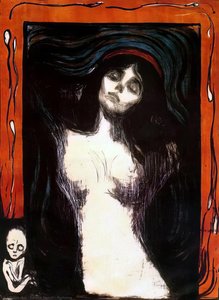
მუნკის ოქროს საგანძირობა populated by images that have become deeply ingrained in the collective consciousness. The Scream, perhaps his most iconic work, transcends its status as a painting to become a universal symbol of existential angst. The swirling, fiery landscape and the figure’s contorted face embody a primal scream against the indifference of the universe. Madonna, a controversial and deeply personal piece, explores themes of sexuality, motherhood, and mortality with unsettling frankness. Recurring motifs like The Sick Child – inspired by the loss of his sister Sophie – serve as poignant reminders of Munch’s childhood trauma and the ever-present specter of death. Melancholy I & II, powerful depictions of profound sadness and isolation, reveal a vulnerability that is both deeply personal and universally relatable. These works aren't simply representations of external reality; they are windows into the artist’s soul, offering viewers an unflinching glimpse into the darkest corners of the human psyche. Munch didn’t aim to create beautiful images; he sought to convey truth – even if that truth was painful and unsettling.
ედვარდ მუნკის წვლილი თანამედროვე ხელოვნებაში შეუდარებელია. ის გამოხატვითობის განვითარებაში გადამწყვეტი ფიგურაა, რომელიც გზას უთოფრობს იმ მხატვრებს, რომლებიც სუბიექტური ემოციების მნიშვნელობას წარმოადგენდნენ ობიექტური წარმოსადგენლად. მისი შიშველი შესწავლა უნივერსალური ადამიანური გამოცდილებებისა – სიყვარული, დაკარგვა, შფოთვა და სიკვდილი – დღესაც აინტერესებს მაყურებლებს, რაც მის ადგილს ხელოვნებაში ერთ-ერთ ყველაზე влиятельным და მდგრად ფიგურად ամրlaştırდა. მისი ნაშრომები მნიშვნელოვნად повлиял последующим поколениям художников, влияя на движения, такие как немецкий экспрессионизм и за его пределами. მან გაბედა სიკეთის მუქი მხარის αντιμετώებას, გამოწვევას უწოდებდა ხელოვნების ტრადიციულ აღქმებს. მაშინაც კი, როდესაც ის დიდება და აღიარება მიაღწია – რაც ოსლოს მუნკის Музеумის შექმნით დასრულდა – მისი προσωπული ცხოვრება არასტაბილური იყო, რომელიც 정신ის ავადმყოფების პერიოდებით იყო χαρακτηρισμένη. თუმცა, ყველაფრის მიუხედავად, ის 계속해서 δημιουργούσε, оставляя за собой работу, которая продолжает провоцировать, бросать вызов и вдохновлять. Munch’s legacy isn't just about the paintings themselves; it’s about the courage to confront the complexities of human existence and to translate those experiences into art that speaks to the deepest parts of our being.
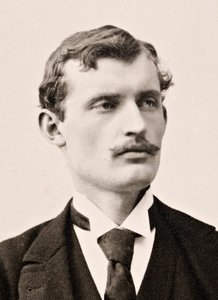
1863 - 1944 , შვედეთი

გაიცანით ედვარდ მუნკის 25 შედევრი! ექსპრესიონიზმის გენიის ნახატები, შფოთვისა და მელანქოლიის ისტორია. შეიძინეთ ხარისხიანი რეკრეაციები Most-Famous-Paintings-ზე და შექმნით თქვენი სახლის უნიკალური ინტერიერი. აღმოაჩინეთ მთელი კოლექცია ონლაინ!

გაიცანით ნიუ-იორკის მეტროპოლიტენის 25 უმნიშვნელოვანესი შედევრი! ვან გოგის, მონეს და სხვა ცნობილი მხატვრების ნახატების ისტორია. სახლის დეკორისთვის ხელოვნების რეკონსტრუქცია Most-Famous-Paintings.com-ზე. Explore the full collection online!
გაიცანით ვაშინგტონის ეროვნული გალერეის 25 საუკეთესო შედევრი! პოლ სეზანი, მატისი და პიკასოს ნახატების ისტორია. ხელოვნების ბეჭვრები Most-Famous-Paintings.com-ზე - სახლის დეკორისთვის და ინტერიერის გასაფართალებლად. აღმოაჩინეთ მთელი კოლექცია ონლაინ!

Explore 25 iconic Sir Alfred Munnings paintings! Discover the beauty of British Impressionism, equine art & rural England. Find museum-quality reproductions and elevate your home decor with Most-Famous-Paintings. Explore the full collection online.
გაიცანით ჯეიმზ უისტლერის 25 შედევრი! ნოქტიურნები, პორტრეტები და იმპრესიონიზმის სილამაზე. ხელოვნების ისტორია Most-Famous-Paintings-ზე - მუზეუმის ხარისხის რესპროდუქციები თქვენი სახლისთვის. აღმოაჩინეთ უისტლერის ტილოები ონლაინ!


ყოველთვის პირველი იყავით უახლესი ხელოვნების სიახლეების, ექსკლუზიური შეთავაზებებისა და დეკორაციის იდეების შესახებ ინფორმირებული.
გვიამარტეთ თქვენი პროექტის შესახებ და ჩვენი ხელოვნების ექსპერტები მოგაწვდით 3 პერსონალიზებულ რეკომენდაციას.
დაგვიძlinეთ სამი ვარიანტის შერჩევა სპეციალურად თქვენთვის – უფასოდ!


 გაზიარება

 გადასართად დაწვრილებით ნახეთ







 მინის ჩარჩოს არჩევანი ხელმისაწვდომია მხოლოდ 110 სმ-ზე ნაკლები ზომისთვის