x

მუზეუმის დონის ჟიკლე ან ტილოზე ბეჭდვა სწრაფი წარმოებისა და დასრულების მოქნილი ვარიანტებით. ( შეიძინეთ ხელით შესრულებული ნახატი შეიძინეთ გამოსახულება)





























აირჩიეთ ჩვენს მიერ წინასწარ განსაზღვრული ზომებიდან, რომლებიც ნაწარმოების ორიგინალურ პროპორციებს შეესაბამება.

თქვენ შეგიძლიათ მიუთითოთ საკუთარი ზომები კონკრეტული ჩარჩოსთვის ან სივრცისთვის მოსარგებლებლად. თუ თქვენ მიერ არჩეული ზომა არ შეესაბამება ორიგინალი გამოსახულების პროპორციებს, ჩვენ ან დავჭრით ნამუშევარს, ან გავაფართოვებთ გამოსახულებას სარკული ან ერთფეროვანი კიდეებით. წარმოების დაწყებამდე თქვენს დასამტკიცებლად გამოგეგზავნებათ ციფრული მაკეტი.
გთხოვთ, გაითვალისწინოთ, რომ ეკრანზე ნაჩვენები წინასწარი ნახვა არ ასახავს რეალურ ჭრას ან გაფართოებას. მხოლოდ მაკეტზე იქნება ზუსტად წარმოდგენილი საბოლოო კომპოზიცია.
მიუხედავად იმისა, რომ ინდივიდუალური ზომები ხელმისაწვდომია, ორიგინალური პროპორციების შესანარჩუნებლად გირჩევთ, აირჩიოთ ზომა წინასწარ განსაზღვრული სიისგან.
მიწოდება მთელ მსოფლიოში () 2 კვირაში, სტანდარტული 4/5 კვირის ნაცვლად. (19 აგვისტო)


not identified
რეკლამაციის ზომა
Doménikos Theotokópoulos, universally known as El Greco – “The Greek” – stands apart from his contemporaries not merely through nationality but through a singular artistic vision that anticipates movements centuries ahead of its time. Born in Crete in 1541, under Venetian rule, his journey encompassed Venice and Rome before finding its definitive expression in the spiritual landscape of Spain: Toledo. El Greco wasn’t simply absorbing influences; he synthesized them into an aesthetic utterly his own—a Mannerist style characterized by elongated figures, dramatic lighting, and a palpable emotional resonance.
This monochrome sketch offers a glimpse into El Greco’s creative process. Rendered primarily in shades of brown and beige on aged paper—a testament to its provenance—the artwork speaks volumes about the artist’s approach. Loose, gestural lines dominate the surface, conveying immediacy rather than meticulous detail. Shapes are simplified by contour lines, minimizing shading and modeling; this deliberate restraint emphasizes form and posture above realistic representation.
El Greco's artistic development was profoundly shaped by Byzantine iconography and Venetian Renaissance ideals. However, he transcended these traditions, forging a path toward stylistic innovation. His signature “Krḗs” – Cretan – served as a proud declaration of his roots, mirroring the broader humanist spirit of the era.
Notably, this sketch echoes the monumental sculpture Laocoön and His Sons in Rome—a work that captivated El Greco’s imagination and influenced his compositional choices. The style anticipates Expressionism's emotive intensity and Cubism's fragmented forms, demonstrating El Greco’s visionary grasp of artistic trends.
At this stage, the sketch prioritizes conveying the figure’s posture and drapery—minimal symbolic elements serve to heighten the emotional impact. The aged paper texture adds depth and authenticity, inviting contemplation on themes of faith, spirituality, and human vulnerability. Like many of El Greco's paintings, it embodies a profound sense of melancholy and introspection.
To delve deeper into El Greco’s artistic legacy, consider visiting the Museo de El Greco in Toledo, Spain—a meticulously recreated 16th-century home housing an impressive collection of his masterpieces. Admire ‘Christ on the Cross Adored by Donors,’ ‘Christ,’ and explore the Cathedral of Toledo, where you can witness El Greco's monumental paintings alongside Gothic grandeur.

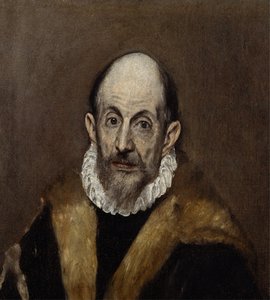
1541 - 1614 , საბერძნო

Explore the profound history and technical mastery of charcoal art. From prehistoric origins to Renaissance chiaroscuro, learn the essential additive and subtractive techniques used by masters to capture light, shadow, and raw emotional depth in monochrome fine art.
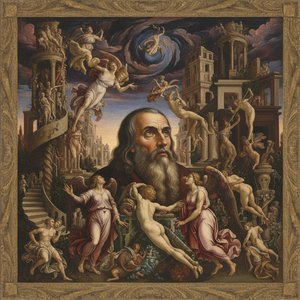
Explore the dramatic transition from High Renaissance harmony to Mannerist tension. Discover how masters like El Greco redefined art through distortion and spiritual intensity. An expert guide for art enthusiasts seeking deep historical context and museum-quality inspiration.

Explore the profound history of drawing techniques, from Dürer's precision to the alchemy of graphite. Discover how masters use line, weight, and contour to capture the human spirit in this expert guide to art history and technical mastery.


ყოველთვის პირველი იყავით უახლესი ხელოვნების სიახლეების, ექსკლუზიური შეთავაზებებისა და დეკორაციის იდეების შესახებ ინფორმირებული.
გვიამარტეთ თქვენი პროექტის შესახებ და ჩვენი ხელოვნების ექსპერტები მოგაწვდით 3 პერსონალიზებულ რეკომენდაციას.
დაგვიძlinეთ სამი ვარიანტის შერჩევა სპეციალურად თქვენთვის – უფასოდ!


 წინასწარი ნახვა
 გაგზავნა
 გაზიარება
 დეტალები

 ჩამოტვირთვა
 მსგავსები
 რენტგენოგრაფიული კვლევა
 სლაიდშოუ
 გადასართად დაწვრილებით ნახეთ







 მინის ჩარჩოს არჩევანი ხელმისაწვდომია მხოლოდ 110 სმ-ზე ნაკლები ზომისთვის