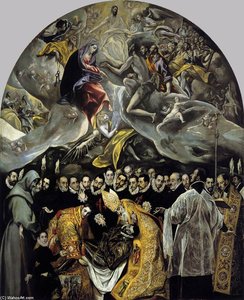
x


ტილოზე შესრულებული ფერწერიანი ზეთប្រდათი, თქვენთვის სასურველი ზომისა და ჩარჩოსთვის, ჩვენი ხელოვანების მიერ შეკვეთის საფუძველზე დამზადებული. ( გადართვა ბეჭდვაზე გადართვა სურათზე)





























აირჩიეთ ჩვენს მიერ წინასწარ განსაზღვრული ზომებიდან, რომლებიც ნაწარმოების ორიგინალურ პროპორციებს შეესაბამება.

თქვენ შეგიძლიათ მიუთითოთ თქვენთვის სასურველი ზომები კონკრეტული ჩარჩოს ან სივრცის შესაბამისად. თუ თქვენ მიერ არჩეული ზომა არ შეესაბამება ორიგინალი გამოსახულების პროპორციებს, ჩვენ ან შევაჭრებთ ნაწარმოებს, ან ტილოზე დავამატებთ ხელით მოხატულ ელემენტებს. წარმოების დაწყებამდე, დამტკიცებისთვის გამოგეგზავნებათ ციფრული მაკეტი.
გთხოვთ, გაითვალისწინოთ, რომ ეკრანზე ნაჩვენები წინასწარი შეხედულება არ ასახავს რეალურ შეჭრას ან გაფართოებას. საბოლოო კომპოზიციას ზუსტად მხოლოდ მაკეტი წარმოაჩენს.
მიუხედავად იმისა, რომ შესაძლებელია ინდივიდუალური ზომების შერჩევა, ორიგინალური პროპორციების შენარჩუნებისათვის გირჩევთ, გამოიყენოთ წინასწარ განსაზღვრული სიის ზომები.
მიწოდება მსოფლიო მასშტაბით -ში 3/4 კვირაში, სტანდარტული 5 კვირის ნაცვლად. (3 აგვისტო). ხარისხზე კომპრომისის გაკეთება არ მოხდება.


Two Saints
რეკლამაციის ზომა
El Greco’s “Two Saints” presents a profoundly moving depiction of religious devotion, born from the artist's unique synthesis of Byzantine tradition with the burgeoning emotional currents of Mannerism. Executed in 1577, this black-and-white photograph captures not merely the physical presence of two sculpted figures but also the palpable sense of sorrow and spiritual struggle that defines El Greco’s most powerful works. The composition, dominated by strong vertical lines representing both the statues and their pedestals, immediately establishes a feeling of solemn grandeur, inviting contemplation and reverence. The placement of the smaller statue in the background subtly introduces a narrative layer – perhaps a reminder of earthly limitations or a glimpse into a larger spiritual realm – enhancing the artwork’s evocative power.
Inspired by the recently discovered monumental Hellenistic sculpture “Laocoön” (circa 1st century BCE), El Greco masterfully transforms this classical subject into something deeply personal and emotionally charged. As detailed in our research, the original Laocoön group, depicting the Trojan priest’s agonizing death at the hands of sea serpents sent by Athena, was a cornerstone of Renaissance artistic ideals – balance, harmony, and idealized proportions. However, El Greco deliberately subverts these conventions, embracing distortion and fragmentation to amplify the scene's dramatic intensity. The elongated figures, contorted postures, and murky coloration—a deliberate departure from the polished surfaces favored during the Renaissance—reflect the influence of Mannerism, a movement that prioritized emotional expression over strict adherence to classical rules.
The photograph’s grayscale palette is not merely an aesthetic choice; it's integral to the artwork’s impact. The careful manipulation of tone and shadow creates a remarkable sense of texture, allowing us to appreciate the rough surface of the stone or material from which the statues are crafted – perhaps hinting at their age and enduring presence. The diffused lighting further enhances this three-dimensional effect, imbuing the figures with an almost ethereal quality. The raised hands of the saints, a common motif in religious iconography, symbolize prayer, blessing, or perhaps even defiance against divine judgment—a potent visual metaphor for human faith and struggle.
El Greco's “Two Saints” stands as a testament to his artistic genius – a fusion of classical inspiration with deeply personal expression. His deliberate departure from Renaissance ideals, coupled with his meticulous attention to detail, resulted in an image that resonates with timeless power and emotional depth. The photograph’s stark simplicity underscores the enduring themes of faith, suffering, and redemption that lie at the heart of El Greco's oeuvre. This piece offers a unique opportunity to own a reproduction of a work that has captivated viewers for centuries, inviting contemplation on the mysteries of belief and the human condition.
The statues themselves are presumed to be crafted from stone – likely marble or limestone – reflecting the prevalent materials used in religious sculpture during El Greco’s time. The photograph itself is a testament to 16th-century photographic techniques, capturing the essence of the original sculptures with remarkable fidelity. El Greco's influence extends far beyond this single work; his innovative style paved the way for later Expressionist movements and continues to inspire artists today. Acquiring a hand-painted reproduction of “Two Saints” is not simply purchasing an image; it’s gaining access to a pivotal moment in art history.

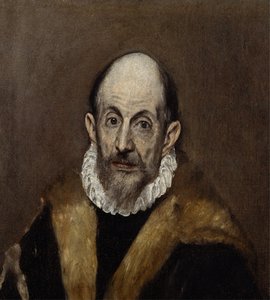
1541 - 1614 , საბერძნო

Explore the captivating world of El Greco! Discover his unique style, spiritual intensity, and lasting impact on art history. Learn about this Renaissance master's life, iconic paintings & legacy.

აღმოაჩინეთ ელ გრეკოს 25 უნიკალური შედევრი! ესპანური ხელოვნების ბაროკო სტილი, რელიგიური ხატები და მანერიზმის სიმდიდრე თქვენს სახლში. შეიძინეთ ხატის რეპროდუქცია Most-Famous-Paintings.com-ზე და შექმნით ელიტური ინტერიერი. Explore the full collection online!

Explore the captivating history of mythological narratives in Western art! From ancient Greece to modern masterpieces, discover iconic artworks & symbolism. Expert analysis and high-quality reproductions at Most-Famous-Paintings.

Explore 10 defining Mannerism masterpieces – from Pontormo to El Greco. Discover the stories behind these Renaissance paintings, their unique style & symbolism. Find museum-quality art reproductions at Most-Famous-Paintings.com and elevate your home decor.

Discover Cornelis van Poelenburch, a pivotal Dutch Baroque landscape painter bridging Mannerism & Italianate styles. Explore his life, key works, and lasting influence on 17th-century art with Most-Famous-Paintings.


ყოველთვის პირველი იყავით უახლესი ხელოვნების სიახლეების, ექსკლუზიური შეთავაზებებისა და დეკორაციის იდეების შესახებ ინფორმირებული.
გვიამარტეთ თქვენი პროექტის შესახებ და ჩვენი ხელოვნების ექსპერტები მოგაწვდით 3 პერსონალიზებულ რეკომენდაციას.
დაგვიძlinეთ სამი ვარიანტის შერჩევა სპეციალურად თქვენთვის – უფასოდ!


 წინასწარი ნახვა
 გაგზავნა
 გაზიარება
 დეტალები

 ჩამოტვირთვა
 მსგავსები
 რენტგენოგრაფიული კვლევა
 სლაიდშოუ


 გადასართად დაწვრილებით ნახეთ







 მინის ჩარჩოს არჩევანი ხელმისაწვდომია მხოლოდ 110 სმ-ზე ნაკლები ზომისთვის