x
ტილოზე შესრულებული ფერწერიანი ზეთប្រდათი, თქვენთვის სასურველი ზომისა და ჩარჩოსთვის, ჩვენი ხელოვანების მიერ შეკვეთის საფუძველზე დამზადებული. ( შეიძინეთ პრინტი შეიძინეთ გამოსახულება)





























აირჩიეთ ჩვენს მიერ წინასწარ განსაზღვრული ზომებიდან, რომლებიც ნაწარმოების ორიგინალურ პროპორციებს შეესაბამება.

თქვენ შეგიძლიათ მიუთითოთ თქვენთვის სასურველი ზომები კონკრეტული ჩარჩოს ან სივრცის შესაბამისად. თუ თქვენ მიერ არჩეული ზომა არ შეესაბამება ორიგინალი გამოსახულების პროპორციებს, ჩვენ ან შევაჭრებთ ნაწარმოებს, ან ტილოზე დავამატებთ ხელით მოხატულ ელემენტებს. წარმოების დაწყებამდე, დამტკიცებისთვის გამოგეგზავნებათ ციფრული მაკეტი.
გთხოვთ, გაითვალისწინოთ, რომ ეკრანზე ნაჩვენები წინასწარი შეხედულება არ ასახავს რეალურ შეჭრას ან გაფართოებას. საბოლოო კომპოზიციას ზუსტად მხოლოდ მაკეტი წარმოაჩენს.
მიუხედავად იმისა, რომ შესაძლებელია ინდივიდუალური ზომების შერჩევა, ორიგინალური პროპორციების შენარჩუნებისათვის გირჩევთ, გამოიყენოთ წინასწარ განსაზღვრული სიის ზომები.
მიწოდება მსოფლიო მასშტაბით -ში 3/4 კვირაში, სტანდარტული 5 კვირის ნაცვლად. (17 აგვისტო). ხარისხზე კომპრომისის გაკეთება არ მოხდება.


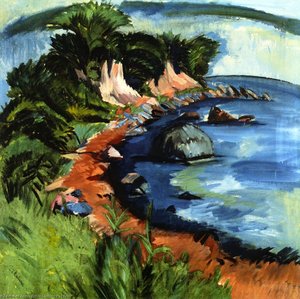
Lighthouse on Fehmarn
რეკლამაციის ზომა
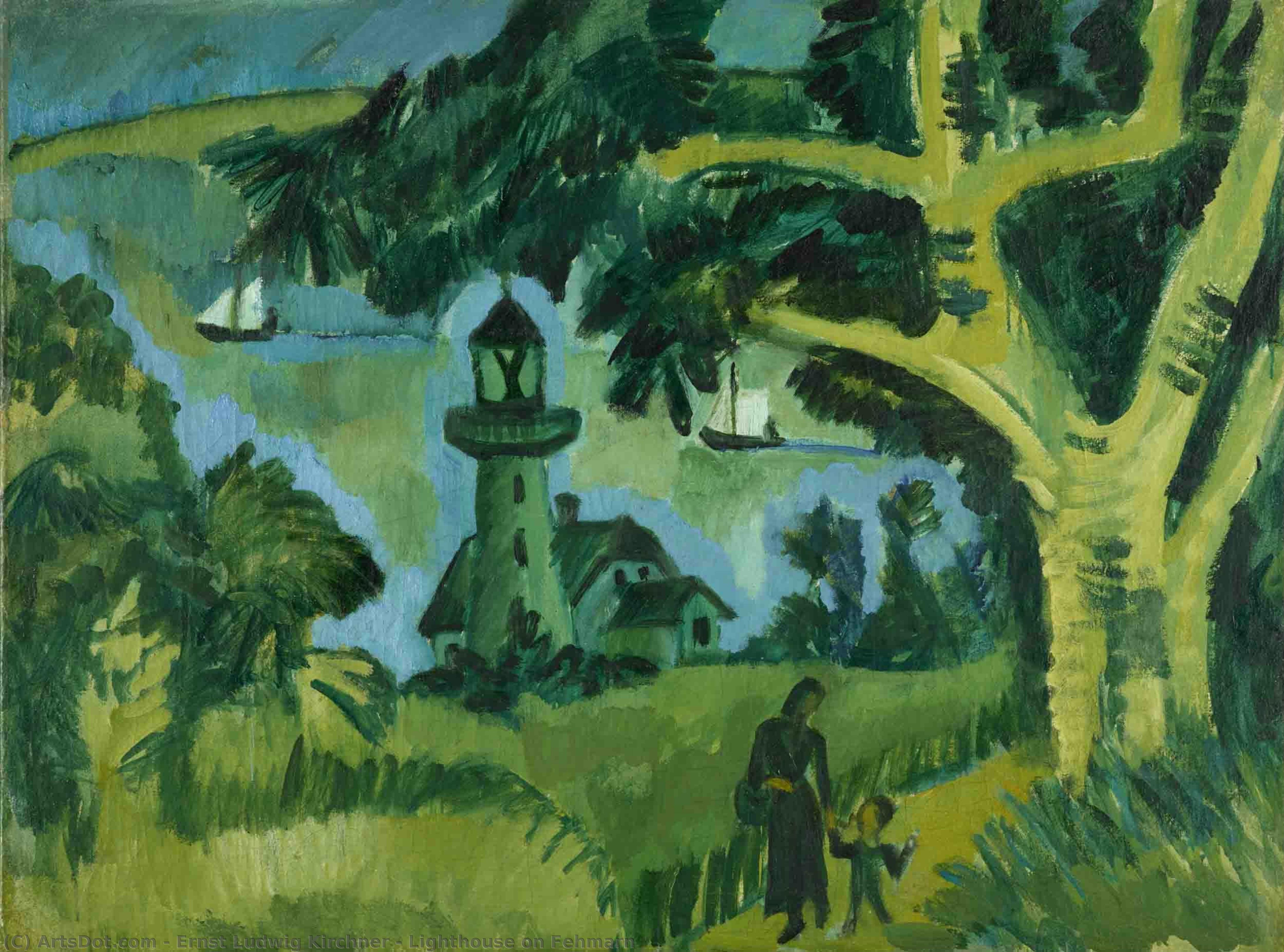
Ernst Ludwig Kirchner's "Lighthouse on Fehmarn," painted in 1912, isn’t merely a depiction of a coastal landmark; it’s a carefully constructed tableau of memory, melancholy, and the quiet yearning for stability amidst the turbulent currents of early 20th-century Germany. Kirchner, a pivotal figure within the Expressionist movement, wasn't interested in simply recording a scene; he sought to distill feeling, to translate the emotional landscape onto canvas with an intensity rarely seen before. This particular work offers a poignant glimpse into his personal journey – a retreat to the island of Fehmarn, a place that would soon become inextricably linked with both solace and the looming anxieties of a world on the brink.
The painting immediately draws the eye to the lighthouse itself, a robust sentinel rising from the rolling Baltic waters. Kirchner’s technique is deliberately rough-hewn, employing bold, visible brushstrokes that convey a sense of immediacy and unrest. The ochre and green hues of the landscape – the weathered cliffs, the dense foliage clinging to the shoreline – are applied with an almost frantic energy, suggesting both the beauty and the inherent wildness of the environment. The water, rendered in shimmering blues and greens, isn’t a serene reflection but rather a dynamic force, subtly hinting at the power beneath the surface. The arched horizon line, a key element of Kirchner's style, serves to compress the space, drawing the viewer into the scene and intensifying the feeling of being enveloped by the landscape.
Dominating the foreground is a woman, clad in dark clothing, her posture suggesting a contemplative walk. While her identity remains somewhat ambiguous – often interpreted as Kirchner’s companion, Erna Schilling – she embodies a crucial shift within the artist's life. Having recently departed from the vibrant, chaotic energy of Berlin, Kirchner sought refuge on Fehmarn, a deliberate move away from the city’s relentless pace and the emotional complexities he had experienced there. The woman’s presence isn’t one of active engagement; rather, she represents a quiet acceptance, a step towards a more subdued existence – a stark contrast to the passionate, often turbulent relationships depicted in his earlier Berlin works. Her hand outstretched, grasping that of a child, subtly evokes themes of protection and legacy, hinting at Kirchner's desire for stability and perhaps even a new beginning.
Kirchner’s use of color is profoundly symbolic. The dark clothing of the woman contrasts sharply with the brighter tones of the landscape, creating a visual tension that mirrors the emotional shift occurring within Kirchner himself. The small sailboats dotting the horizon represent fleeting moments of pleasure amidst an underlying sense of unease – a reminder of the world beyond Fehmarn, yet one he’s consciously choosing to distance himself from. The lighthouse, traditionally a symbol of guidance and safety, here takes on a slightly melancholic quality; it stands as a solitary beacon in a vast, uncertain expanse, reflecting Kirchner's own feelings of isolation and introspection. The painting is not simply about depicting a physical location but rather conveying the complex emotional state of an artist grappling with personal change.
Reproductions of “Lighthouse on Fehmarn” offer a remarkable opportunity to experience Kirchner’s evocative style firsthand. The meticulous detail captured in each brushstroke, the raw emotional intensity conveyed through color and composition – these elements are faithfully reproduced in high-quality prints, allowing art lovers and collectors alike to appreciate the depth and complexity of this iconic work. Beyond its aesthetic appeal, “Lighthouse on Fehmarn” serves as a powerful reminder of Kirchner’s artistic journey—a testament to his ability to transform personal experience into enduring works of art that continue to resonate with viewers today. It's a piece that invites contemplation, prompting us to consider the interplay between memory, emotion, and the search for meaning in a rapidly changing world.

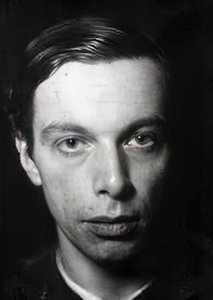
1880 - 1938 , გერმანია

Explore the profound history of Expressionism. From Edvard Munch to Jackson Pollock, discover how artists used distortion and color to convey raw emotion. A definitive guide for art lovers seeking deep historical context and mastery in fine art reproductions.


ყოველთვის პირველი იყავით უახლესი ხელოვნების სიახლეების, ექსკლუზიური შეთავაზებებისა და დეკორაციის იდეების შესახებ ინფორმირებული.
გვიამარტეთ თქვენი პროექტის შესახებ და ჩვენი ხელოვნების ექსპერტები მოგაწვდით 3 პერსონალიზებულ რეკომენდაციას.
დაგვიძlinეთ სამი ვარიანტის შერჩევა სპეციალურად თქვენთვის – უფასოდ!


 წინასწარი ნახვა
 გაგზავნა
 გაზიარება
 დეტალები

 ჩამოტვირთვა
 მსგავსები
 რენტგენოგრაფიული კვლევა
 სლაიდშოუ

 გადასართად დაწვრილებით ნახეთ







 მინის ჩარჩოს არჩევანი ხელმისაწვდომია მხოლოდ 110 სმ-ზე ნაკლები ზომისთვის