x

 ნაბეჭდის შეძენა გამოსახულების შეძენა
 გაგზავნა
 დეტალები
 დამატება ფავორიტებში
 ჩამოტვირთვა
 მსგავსები
 რენტგენოგრაფიული კვლევა
 სლაიდშოუ
 EtchingGerman Expressionism
 1929
1929 26.0 x 20.0 cm
ტილოზე შესრულებული ფერწერიანი ზეთប្រდათი, თქვენთვის სასურველი ზომისა და ჩარჩოსთვის, ჩვენი ხელოვანების მიერ შეკვეთის საფუძველზე დამზადებული.





























აირჩიეთ ჩვენს მიერ წინასწარ განსაზღვრული ზომებიდან, რომლებიც ნაწარმოების ორიგინალურ პროპორციებს შეესაბამება.

თქვენ შეგიძლიათ მიუთითოთ თქვენთვის სასურველი ზომები კონკრეტული ჩარჩოს ან სივრცის შესაბამისად. თუ თქვენ მიერ არჩეული ზომა არ შეესაბამება ორიგინალი გამოსახულების პროპორციებს, ჩვენ ან შევაჭრებთ ნაწარმოებს, ან ტილოზე დავამატებთ ხელით მოხატულ ელემენტებს. წარმოების დაწყებამდე, დამტკიცებისთვის გამოგეგზავნებათ ციფრული მაკეტი.
გთხოვთ, გაითვალისწინოთ, რომ ეკრანზე ნაჩვენები წინასწარი შეხედულება არ ასახავს რეალურ შეჭრას ან გაფართოებას. საბოლოო კომპოზიციას ზუსტად მხოლოდ მაკეტი წარმოაჩენს.
მიუხედავად იმისა, რომ შესაძლებელია ინდივიდუალური ზომების შერჩევა, ორიგინალური პროპორციების შენარჩუნებისათვის გირჩევთ, გამოიყენოთ წინასწარ განსაზღვრული სიის ზომები.
მიწოდება მსოფლიო მასშტაბით -ში 3/4 კვირაში, სტანდარტული 5 კვირის ნაცვლად. (18 ივლისი). ხარისხზე კომპრომისის გაკეთება არ მოხდება.


Three Faces
რეკლამაციის ზომა
To gaze upon Ernst Ludwig Kirchner’s etching, "Three Faces," is not merely to observe lines on paper; it is to step directly into the volatile emotional landscape of early 20th-century Berlin. This black and white study, dating from 1929, captures a moment of profound psychological tension through the stark medium of the etching process. The composition presents three distinct visages clustered together, each one offering a different facet of the human condition—a silent, arresting tableau that speaks volumes without uttering a single word. Kirchner, deeply immersed in the fervor and anxiety of German Expressionism, possessed an unparalleled ability to distill complex inner turmoil into stark, graphic forms.
The choice of etching as a medium is crucial to understanding the work's raw power. The inherent nature of etching lends itself to sharp contrasts—the deep blacks against the pristine white ground—which serve to heighten the drama of the expressions. Notice how Kirchner manipulates shadow and line weight; these are not decorative elements but carriers of emotional charge. The viewer’s eye is immediately drawn across the trio, forced into a comparative study. The contrast between the left face's palpable frown, the middle figure's seemingly bright smile, and the right face's more brittle, perhaps even strained grin creates an immediate visual dialogue. It suggests that emotion itself is rarely singular or simple.
Painted in 1929, this work emerges from a period of immense societal upheaval, standing at the precipice of global conflict and radical social change. Kirchner’s art was always deeply engaged with the pulse of modern life—the alienation of the city, the mask worn in public spaces, and the struggle to maintain authentic selfhood amidst rapid modernization. "Three Faces" can be interpreted as a commentary on societal performance; are we all merely performing happiness for an audience? The tension captured here resonates far beyond its specific date, speaking to the universal anxieties of feeling observed, judged, or misunderstood.
The grouping of three faces is inherently symbolic. It suggests a triangulation of experience—perhaps the self versus society, or genuine emotion versus social expectation. The differing expressions invite deep contemplation from the collector or admirer. Is the smile on the right one of joy, or is it the forced composure required to navigate difficult times? Kirchner masterfully uses these subtle variations in musculature and gaze to explore the chasm between inner reality and outer presentation. Owning a reproduction of this piece allows one to bring that thoughtful, questioning energy into a living space, transforming a mere wall hanging into a philosophical anchor.
For those seeking art that possesses both historical weight and immediate emotional impact, "Three Faces" is an unparalleled choice. Its graphic intensity translates beautifully across reproductions, allowing the stark power of Kirchner's original etching to grace any interior setting—from a minimalist gallery wall to a richly decorated study. It serves as a constant, quiet reminder that beneath every composed facade lies a complex, shifting emotional narrative waiting to be observed.

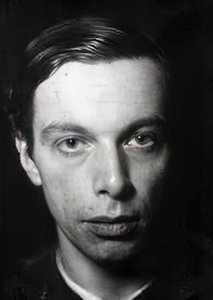
1880 - 1938 , გერმანია

გაიცანით ნიუ-იორკის მეტროპოლიტენის 25 უმნიშვნელოვანესი შედევრი! ვან გოგის, მონეს და სხვა ცნობილი მხატვრების ნახატების ისტორია. სახლის დეკორისთვის ხელოვნების რეკონსტრუქცია Most-Famous-Paintings.com-ზე. Explore the full collection online!
გაიცანით ჯეიმზ უისტლერის 25 შედევრი! ნოქტიურნები, პორტრეტები და იმპრესიონიზმის სილამაზე. ხელოვნების ისტორია Most-Famous-Paintings-ზე - მუზეუმის ხარისხის რესპროდუქციები თქვენი სახლისთვის. აღმოაჩინეთ უისტლერის ტილოები ონლაინ!
გაიცანით კაცუსიკა ჰოკუსაის 25 შედევრი! იაპონური ხელოვნების გენიალური ნაწარმოებები, უქიო-ე სტილი და ფუჯის მთის გამოსახულებები. შეიძინეთ ხატვის რეკონსტრუქციები Most-Famous-Paintings.com-ზე და შექმნით თქვენი სახლისთვის განსაკუთრებული ინტერიერი.

Journey through 10 legendary etching masterpieces by Rembrandt, Dürer & Goya. Explore the history of printmaking and discover timeless art for your home. Find museum-quality reproductions at Most-Famous-Paintings.com.
აღმოაჩინეთ ეგონ შილეს 25 საუკეთესო შედევრი! ექსპრესიონიზმის სიმბოლიზმი, ფსიქოლოგიური პორტრეტები და ავტოპორტრეტები. შეიძინეთ ხელოვნების რეკონსტრუქციები Most-Famous-Paintings.com-ზე და შექმნით თქვენი სახლის უნიკალური ინტერიერი. Explore the full collection online!


ყოველთვის პირველი იყავით უახლესი ხელოვნების სიახლეების, ექსკლუზიური შეთავაზებებისა და დეკორაციის იდეების შესახებ ინფორმირებული.
გვიამარტეთ თქვენი პროექტის შესახებ და ჩვენი ხელოვნების ექსპერტები მოგაწვდით 3 პერსონალიზებულ რეკომენდაციას.
დაგვიძlinეთ სამი ვარიანტის შერჩევა სპეციალურად თქვენთვის – უფასოდ!


 გაზიარება

 გადასართად დაწვრილებით ნახეთ







 მინის ჩარჩოს არჩევანი ხელმისაწვდომია მხოლოდ 110 სმ-ზე ნაკლები ზომისთვის