


x
მუზეუმის დონის ჟიკლე ან ტილოზე ბეჭდვა სწრაფი წარმოებისა და დასრულების მოქნილი ვარიანტებით. ( შეიძინეთ ხელით შესრულებული ნახატი შეიძინეთ გამოსახულება)





























აირჩიეთ ჩვენს მიერ წინასწარ განსაზღვრული ზომებიდან, რომლებიც ნაწარმოების ორიგინალურ პროპორციებს შეესაბამება.

თქვენ შეგიძლიათ მიუთითოთ საკუთარი ზომები კონკრეტული ჩარჩოსთვის ან სივრცისთვის მოსარგებლებლად. თუ თქვენ მიერ არჩეული ზომა არ შეესაბამება ორიგინალი გამოსახულების პროპორციებს, ჩვენ ან დავჭრით ნამუშევარს, ან გავაფართოვებთ გამოსახულებას სარკული ან ერთფეროვანი კიდეებით. წარმოების დაწყებამდე თქვენს დასამტკიცებლად გამოგეგზავნებათ ციფრული მაკეტი.
გთხოვთ, გაითვალისწინოთ, რომ ეკრანზე ნაჩვენები წინასწარი ნახვა არ ასახავს რეალურ ჭრას ან გაფართოებას. მხოლოდ მაკეტზე იქნება ზუსტად წარმოდგენილი საბოლოო კომპოზიცია.
მიუხედავად იმისა, რომ ინდივიდუალური ზომები ხელმისაწვდომია, ორიგინალური პროპორციების შესანარჩუნებლად გირჩევთ, აირჩიოთ ზომა წინასწარ განსაზღვრული სიისგან.
მიწოდება მთელ მსოფლიოში () 2 კვირაში, სტანდარტული 4/5 კვირის ნაცვლად. (15 აგვისტო)


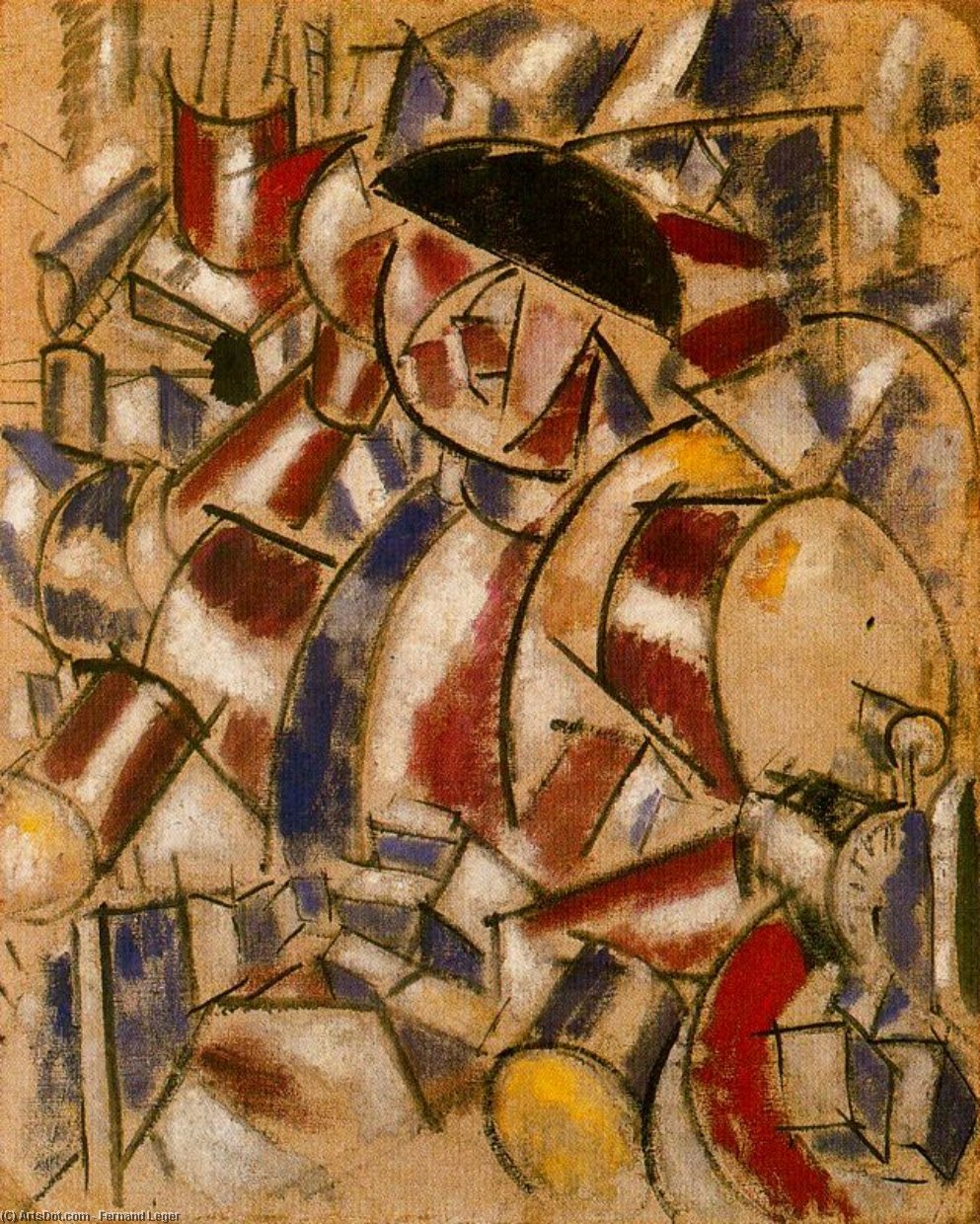
The alarm
რეკლამაციის ზომა
In the heart of the early twentieth century, as the gears of industry began to turn with an unstoppable momentum, Fernand Léger captured a moment of profound tension in his masterpiece, "The Alarm." Completed in 1914, this work serves as a striking emblem of the burgeoning modernist movement, acting as a defiant assertion that the cold, mechanical progress of the machine age could coexist with deep artistic contemplation. The canvas transcends mere depiction; it is a psychological exploration of an era standing on the precipively edge of transformation. Within the frame, a solitary figure—a man dressed in rugged overalls—is positioned amidst a chaotic landscape where the boundaries between human life and industrial machinery begin to blur. Clocks, gears, and the silhouette of a motorcycle swirl around him, creating an unsettling yet mesmerizing tableau of speed, complexity, and the relentless march of time.
Léger’s signature Constructivist style is on full display here, characterized by a deliberate rejection of traditional, soft-edged realism in favor of structural clarity. By utilizing simplified geometric forms—circles, squares, and triangles—the artist prioritizes the architecture of the image over mere imitation of nature. This approach reflects Léger's profound belief in the transformative power of abstraction to reflect a new, modern reality. His technique is equally visceral; he employed a bold, primary palette of reds, yellows, and blacks to convey an urgent sense of dynamism. The paint is applied with a certain physicality, creating textured surfaces that mimic the hard, unyielding appearance of metal and industrial components, inviting the viewer to engage with the work on a tactile, emotional level.
Beyond its striking visual geometry, "The Alarm" is steeped in the heavy atmosphere of its historical context. Painted during the escalating tensions that led to World War I, every element within the composition vibrates with a sense of impending change. The multiple clocks scattered throughout the scene are not merely decorative; they represent the relentless, ticking nature of time and the pervasive fear of an approaching doom that gripped Europe at the time. Yet, amidst this mechanical whirlwind, there is a profound sense of resilience. The central figure, though surrounded by the overwhelming weight of industrialization, retains an aura of strength, suggesting that the human spirit can endure even as the world undergoes radical societal upheaval.
For the discerning collector or interior designer, "The Alarm" offers more than just a visual centerpiece; it provides a conversation piece of immense intellectual and emotional depth. The painting’s ability to balance the coldness of machinery with the warmth of human presence makes it an ideal acquisition for those seeking to add a sense of historical gravity and avant-garde sophistication to a space. Whether placed in a contemporary gallery setting or a curated residential collection, this reproduction brings the pulse of the machine age into the modern home, serving as a timeless reminder of the beauty found within the intersection of humanity and progress.

1881 - 1955 , საფრანგეთი

Explore the profound impact of Minimalism and Geometric Abstraction. From Mondrian to Malevich, discover how stripping art to its essential forms revolutionized modern aesthetics through our expert-led historical guide.


ყოველთვის პირველი იყავით უახლესი ხელოვნების სიახლეების, ექსკლუზიური შეთავაზებებისა და დეკორაციის იდეების შესახებ ინფორმირებული.
გვიამარტეთ თქვენი პროექტის შესახებ და ჩვენი ხელოვნების ექსპერტები მოგაწვდით 3 პერსონალიზებულ რეკომენდაციას.
დაგვიძlinეთ სამი ვარიანტის შერჩევა სპეციალურად თქვენთვის – უფასოდ!


 წინასწარი ნახვა
 გაგზავნა
 გაზიარება
 დეტალები

 ჩამოტვირთვა
 მსგავსები
 რენტგენოგრაფიული კვლევა
 სლაიდშოუ

 გადასართად დაწვრილებით ნახეთ







 მინის ჩარჩოს არჩევანი ხელმისაწვდომია მხოლოდ 110 სმ-ზე ნაკლები ზომისთვის


