


x


ტილოზე შესრულებული ფერწერიანი ზეთប្រდათი, თქვენთვის სასურველი ზომისა და ჩარჩოსთვის, ჩვენი ხელოვანების მიერ შეკვეთის საფუძველზე დამზადებული. ( Switch to Print Switch to Image)
აირჩიეთ ჩვენს მიერ წინასწარ განსაზღვრული ზომებიდან, რომლებიც ნაწარმოების ორიგინალურ პროპორციებს შეესაბამება.

თქვენ შეგიძლიათ მიუთითოთ თქვენთვის სასურველი ზომები კონკრეტული ჩარჩოს ან სივრცის შესაბამისად. თუ თქვენ მიერ არჩეული ზომა არ შეესაბამება ორიგინალი გამოსახულების პროპორციებს, ჩვენ ან შევაჭრებთ ნაწარმოებს, ან ტილოზე დავამატებთ ხელით მოხატულ ელემენტებს. წარმოების დაწყებამდე, დამტკიცებისთვის გამოგეგზავნებათ ციფრული მაკეტი.
გთხოვთ, გაითვალისწინოთ, რომ ეკრანზე ნაჩვენები წინასწარი შეხედულება არ ასახავს რეალურ შეჭრას ან გაფართოებას. საბოლოო კომპოზიციას ზუსტად მხოლოდ მაკეტი წარმოაჩენს.
მიუხედავად იმისა, რომ შესაძლებელია ინდივიდუალური ზომების შერჩევა, ორიგინალური პროპორციების შენარჩუნებისათვის გირჩევთ, გამოიყენოთ წინასწარ განსაზღვრული სიის ზომები.
მიწოდება მსოფლიო მასშტაბით -ში 3/4 კვირაში, სტანდარტული 5 კვირის ნაცვლად. (29 ივლისი). ხარისხზე კომპრომისის გაკეთება არ მოხდება.


The flower polychrome
რეკლამაციის ზომა
Fernand Léger's "The Flower Polychrome," created in 1952, is more than just a sculpture; it’s a crystallized moment of artistic revolution. This captivating piece, rendered in a striking black and gold palette with subtle silver accents, embodies the core tenets of Léger’s groundbreaking approach to modern art – a fearless embrace of industrial forms and their inherent beauty. Born in Argentan, Normandy, in 1881, Léger's formative years spent observing the rhythms of rural life profoundly shaped his artistic sensibility. He rejected the prevailing trend toward pure abstraction, instead seeking to translate the dynamism of the machine age – the factories, the trains, the burgeoning urban landscape – into a visual language that was both powerfully abstract and deeply connected to the tangible world around him. This sculpture represents a culmination of this lifelong exploration, a testament to his ability to find harmony between the organic and the mechanical.
“The Flower Polychrome” is firmly rooted in the principles of Cubism, particularly its emphasis on geometric forms and multiple perspectives. However, unlike Picasso or Braque, Léger didn't simply dissect objects; he actively sought to *reconstruct* them, presenting fragmented elements arranged in a dynamic, almost chaotic composition. The central star-like structure, radiating outwards with smaller, repeating shapes, mimics the visual impact of a complex gear mechanism – a deliberate homage to the industrial world that captivated Léger. The use of bold, contrasting colors further amplifies this effect, creating a sense of movement and energy. Notice how the gold tones shimmer and reflect light, mimicking the polished surfaces of machinery, while the black provides a grounding counterpoint, emphasizing the geometric precision.
Beyond its purely formal qualities, “The Flower Polychrome” carries significant symbolic weight. Léger’s work frequently explored themes of industrial progress and renewal – ideas deeply relevant to post-World War II France. The flower motif, despite the sculpture's metallic construction, subtly references nature, suggesting a harmonious integration between humanity and technology. The repetition of forms can be interpreted as representing the mass production inherent in modern industry, yet the overall composition retains an element of elegance and beauty, hinting at the potential for progress to be both efficient and aesthetically pleasing. The piece speaks to a desire to rebuild and reimagine society after the devastation of war, embracing innovation while retaining a connection to fundamental values.
The sculpture’s creation involved meticulous craftsmanship, likely utilizing techniques associated with metalworking. Léger's preference for polished surfaces – evident in “The Flower Polychrome” – was crucial to his aesthetic vision. The reflective qualities of the metal not only enhanced the visual impact but also contributed to the sense of dynamism and movement within the piece. The careful arrangement of the smaller stars and shapes demonstrates a sophisticated understanding of spatial relationships, creating a complex and visually engaging composition. This level of detail speaks to Léger’s commitment to translating his artistic ideas into tangible form with precision and skill.
A hand-painted reproduction of “The Flower Polychrome” offers a remarkable opportunity to bring this iconic work into your home or office. Its bold colors and dynamic composition will undoubtedly serve as a focal point, sparking conversation and reflecting the enduring power of Léger’s artistic vision.

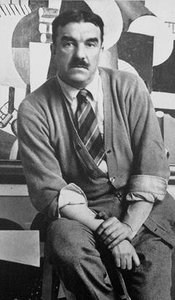
1881 - 1955 , საფრანგეთი

გაიცანით ერმიტაჟის 25 გამორჩეული შედევრი! რემბრანდტი, ლეონარდო და ვინჩი და სხვა ცნობილი მხატვრების ტილოები. ხელოვნების ისტორია Most-Famous-Paintings-ზე - რეპროდუქციები თქვენი სახლისთვის. აღმოაჩინეთ სრულყოფილი კოლექცია Most-Famous-Paintings.com-ზე!

Discover how curated art collections elevate Michelin-starred dining experiences. Expert insights on sensory branding, emotional intelligence & ROI for luxury restaurants and hotels. Transform your space with Most-Famous-Paintings.

Find serenity with 10 minimalist masterpieces! Explore Agnes Martin, Rothko & more. Discover the stories behind iconic abstract art, neutral palettes & calming designs. Museum-quality reproductions at Most-Famous-Paintings.com – elevate your home decor today!

გაიცანით ნიუ-იორკის მეტროპოლიტენის 25 უმნიშვნელოვანესი შედევრი! ვან გოგის, მონეს და სხვა ცნობილი მხატვრების ნახატების ისტორია. სახლის დეკორისთვის ხელოვნების რეკონსტრუქცია Most-Famous-Paintings.com-ზე. Explore the full collection online!
აღმოფხვარე კუბიზმის 10 გამორჩეული შედევრი! პიკასო, ბრაკი და სხვა მოწინავე ხელოვანების ნამუშევრები. შეიგრძნობით რევოლუცია ხელოვნებაში. შეიძინეთ მაღალი ხარისბის რეპროდუქციები Most-Famous-Paintings.com-ზე!


ყოველთვის პირველი იყავით უახლესი ხელოვნების სიახლეების, ექსკლუზიური შეთავაზებებისა და დეკორაციის იდეების შესახებ ინფორმირებული.
გვიამარტეთ თქვენი პროექტის შესახებ და ჩვენი ხელოვნების ექსპერტები მოგაწვდით 3 პერსონალიზებულ რეკომენდაციას.
დაგვიძlinეთ სამი ვარიანტის შერჩევა სპეციალურად თქვენთვის – უფასოდ!


 გაგზავნა
 გაზიარება
 დეტალები

 ჩამოტვირთვა
 მსგავსები
 სლაიდშოუ

 გადასართად დაწვრილებით ნახეთ




































 მინის ჩარჩოს არჩევანი ხელმისაწვდომია მხოლოდ 110 სმ-ზე ნაკლები ზომისთვის


