


x

ტილოზე შესრულებული ფერწერიანი ზეთប្រდათი, თქვენთვის სასურველი ზომისა და ჩარჩოსთვის, ჩვენი ხელოვანების მიერ შეკვეთის საფუძველზე დამზადებული. ( შეიძინეთ პრინტი შეიძინეთ გამოსახულება)





























აირჩიეთ ჩვენს მიერ წინასწარ განსაზღვრული ზომებიდან, რომლებიც ნაწარმოების ორიგინალურ პროპორციებს შეესაბამება.

თქვენ შეგიძლიათ მიუთითოთ თქვენთვის სასურველი ზომები კონკრეტული ჩარჩოს ან სივრცის შესაბამისად. თუ თქვენ მიერ არჩეული ზომა არ შეესაბამება ორიგინალი გამოსახულების პროპორციებს, ჩვენ ან შევაჭრებთ ნაწარმოებს, ან ტილოზე დავამატებთ ხელით მოხატულ ელემენტებს. წარმოების დაწყებამდე, დამტკიცებისთვის გამოგეგზავნებათ ციფრული მაკეტი.
გთხოვთ, გაითვალისწინოთ, რომ ეკრანზე ნაჩვენები წინასწარი შეხედულება არ ასახავს რეალურ შეჭრას ან გაფართოებას. საბოლოო კომპოზიციას ზუსტად მხოლოდ მაკეტი წარმოაჩენს.
მიუხედავად იმისა, რომ შესაძლებელია ინდივიდუალური ზომების შერჩევა, ორიგინალური პროპორციების შენარჩუნებისათვის გირჩევთ, გამოიყენოთ წინასწარ განსაზღვრული სიის ზომები.
მიწოდება მსოფლიო მასშტაბით -ში 3/4 კვირაში, სტანდარტული 5 კვირის ნაცვლად. (14 აგვისტო). ხარისხზე კომპრომისის გაკეთება არ მოხდება.


The tug
რეკლამაციის ზომა
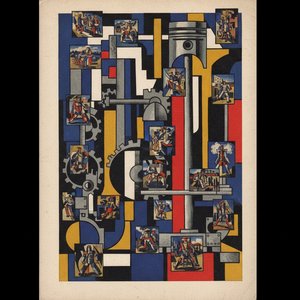
Fernand Léger’s “The Tug,” completed in 1928, isn't merely a depiction of a sailboat; it’s an embodiment of the anxieties and aspirations surrounding industrialization during the Weimar Republic. Léger, already established as a leading voice in the Bauhaus movement and Surrealist circles, sought to translate the relentless rhythm of the machine age into a visual language that defied traditional representation.
Technique-wise, Léger employed a bold palette dominated by reds, yellows, and blacks – colors that evoke both heat and darkness. He utilized thick impasto brushstrokes, layering paint onto the canvas with considerable physicality. This technique isn’t simply about applying color; it's about creating palpable texture, mirroring the rough surfaces of industrial machinery and conveying the raw power of nature.
“The Tug” emerged during a period of profound societal transformation in Germany. The Bauhaus school championed functionalism and geometric abstraction as responses to the perceived decadence of bourgeois culture, mirroring Léger’s artistic convictions. Simultaneously, advancements in engineering and manufacturing fueled an optimistic belief in progress—a belief tempered by anxieties about social upheaval and impending conflict.
Despite its apparent simplicity, “The Tug” is laden with symbolic significance. The sailboat itself represents resilience and determination – a struggle against overwhelming forces—while the turbulent waves symbolize instability and uncertainty. Léger’s deliberate use of contrasting colors reinforces this duality, highlighting both the destructive potential and inherent beauty of the natural world.
Viewing “The Tug” evokes a visceral response. The painting's energetic brushstrokes and bold palette convey a sense of urgency and excitement, mirroring the anxieties and aspirations of its time. Yet, beneath the surface chaos lies an underlying harmony—a testament to Léger’s belief that even in the face of adversity, beauty can endure. It invites contemplation on themes of struggle, transformation, and the enduring power of artistic vision.


1881 - 1955 , საფრანგეთი
გაიცანით ფერნანდ λεჟეს 25 საუკეთესო შედევრი! კუბიზმის, ტუბიზმის და თანამედროვე ხელოვნების ისტორია. ნახატების რესპროდუქციები თქვენი სახლისთვის Most-Famous-Paintings-ზე. აღმოაჩინეთ ლეგერის გამოსახულებები ონლაინ!

Explore the profound geometric mastery of Fernand Léger. Discover how his 'Tubism' and Machine Age aesthetics redefined modern art, offering timeless inspiration for discerning collectors seeking to integrate Cubist dynamism into sophisticated contemporary interiors.

Explore the vibrant world of Fernand Léger. Discover how his 'Tubism' and Machine Age aesthetics redefined modern art, offering profound inspiration for discerning collectors seeking geometric beauty and industrial dynamism.
Explore the profound intersection of industry and artistry. Discover museum-quality reproductions of Machine Age masterpieces by Léger and Rivera, curated for elite collectors seeking to infuse luxury interiors with the powerful, geometric soul of industrial progress.

Explore 10 iconic artworks capturing the Industrial Revolution’s grit & beauty. From Monet to Manet, discover realism, impressionism & powerful scenes of urban life. Find museum-quality reproductions for your home at Most-Famous-Paintings.com.


ყოველთვის პირველი იყავით უახლესი ხელოვნების სიახლეების, ექსკლუზიური შეთავაზებებისა და დეკორაციის იდეების შესახებ ინფორმირებული.
გვიამარტეთ თქვენი პროექტის შესახებ და ჩვენი ხელოვნების ექსპერტები მოგაწვდით 3 პერსონალიზებულ რეკომენდაციას.
დაგვიძlinეთ სამი ვარიანტის შერჩევა სპეციალურად თქვენთვის – უფასოდ!


 წინასწარი ნახვა
 გაგზავნა
 გაზიარება
 დეტალები

 ჩამოტვირთვა
 მსგავსები
 რენტგენოგრაფიული კვლევა
 სლაიდშოუ
 გადასართად დაწვრილებით ნახეთ







 მინის ჩარჩოს არჩევანი ხელმისაწვდომია მხოლოდ 110 სმ-ზე ნაკლები ზომისთვის


