Sell Your Art
სურვილების სია စျေးდაკლებული კალათა Cart
x
PreviewPreview AR previewAR preview Switch to hand made Painting Switch to hand made PaintingSwitch to Image Switch to Image გაგზავნაგაგზავნა
დეტალებიდეტალები დამატება ფავორიტებში დამატება ფავორიტებში ჩამოტვირთვაჩამოტვირთვა მსგავსებიმსგავსები რენტგენოგრაფიული კვლევარენტგენოგრაფიული კვლევა სლაიდშოუსლაიდშოუ

untitled (1612)

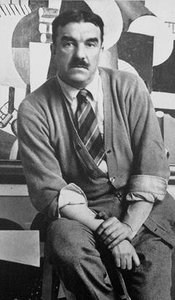
Fernand Léger (1881-1955) was a French painter and sculptor who pioneered "tubism," a form of cubism emphasizing cylindrical shapes, reflecting the influence of industrial machinery on his artistic vision.

ფერნანდ ლეგე (1881-1955) - ფრანგი მხატვერი, რომელმაც კუბიზმს უნიკალური ინტერპრეაცია მოგოცა. მისი გამორჩეული ტილოები, როგორიცაა "ტუბიზმი" და პოპ-არტის წინამორბედი, აღნიშნავს თანამედროვე ხელოვნების მნიშვნელოვან ეტაპს.

გიკლე / ხელოვნების პრინტი

მუზეუმის დონის ჟიკლე ან ტილოზე ბეჭდვა სწრაფი წარმოებისა და დასრულების მოქნილი ვარიანტებით. (Switch to hand made Painting Switch to hand made PaintingSwitch to Image Switch to Image)

P118B $10
P118H $10
P118W $10
P438Z $10
P508JH $12
P508YH $12
P805H $10
P805Z $10
P919BZ $10
P919G $10
P919XJ $10
P959ZH $10
P968JZ $12
W106C $8
W218G $10
W218JH $8
W218Y $10
W307PJ $10
W316G $10
W316PJ $8
W316Y $10
W398PJ $8
W4111J $10
W500HY $15
W500JH $15
W692G $12
W849H $8
W940BG $15
W953PJ $8

Standard
custom
CM
INCH

აირჩიეთ ჩვენს მიერ წინასწარ განსაზღვრული ზომებიდან, რომლებიც ნაწარმოების ორიგინალურ პროპორციებს შეესაბამება.

სიგანე
სიმაღლე

თქვენ შეგიძლიათ მიუთითოთ საკუთარი ზომები კონკრეტული ჩარჩოსთვის ან სივრცისთვის მოსარგებლებლად. თუ თქვენ მიერ არჩეული ზომა არ შეესაბამება ორიგინალი გამოსახულების პროპორციებს, ჩვენ ან დავჭრით ნამუშევარს, ან გავაფართოვებთ გამოსახულებას სარკული ან ერთფეროვანი კიდეებით. წარმოების დაწყებამდე თქვენს დასამტკიცებლად გამოგეგზავნებათ ციფრული მაკეტი.
გთხოვთ, გაითვალისწინოთ, რომ ეკრანზე ნაჩვენები წინასწარი ნახვა არ ასახავს რეალურ ჭრას ან გაფართოებას. მხოლოდ მაკეტზე იქნება ზუსტად წარმოდგენილი საბოლოო კომპოზიცია.
მიუხედავად იმისა, რომ ინდივიდუალური ზომები ხელმისაწვდომია, ორიგინალური პროპორციების შესანარჩუნებლად გირჩევთ, აირჩიოთ ზომა წინასწარ განსაზღვრული სიისგან.

მიწოდება მთელ მსოფლიოში () 2 კვირაში, სტანდარტული 4/5 კვირის ნაცვლად. (30 ივლისი)

why_choose_icon
უფასო ექსპრეს მიწოდება მთელ მსოფლიოში
why_choose_icon
საბამად მაღალი ხარისხის ტილო
why_choose_icon
სრული ტრანსპორტირების დაზღვევა
why_choose_icon
საბაჟო გადასახადების დაბრუნების გარანტია
why_choose_icon
ფერების სრული შესაბამისობის გარანტია
why_choose_icon
60-დღიანი დაბრუნების პოლიტიკა (მხოლოდ დეფექტის შემთხვევაში)
why_choose_icon
100% თანხის დაბრუნების გარანტია
why_choose_icon
ფასდაკლება დიდი რაოდენობით შეკვეთისას

ჯამური ღირებულება

$ 68

reproduction

untitled (1612)

გიკლე / ხელოვნების პრინტი

რეკლამაციის ზომა

-

საბოლოო ფასი

$ 68

მოკლე ინფორმაცია

  • Medium: Painting
  • Artist: Fernand Léger
  • Artistic style: Abstract Expressionism
  • Notable elements or techniques: Tubism, Simplified forms
  • Year: 1881
  • Title: The image is a painting of a group of people in various positions...
  • Location: Private Collection

ხელოვნების ტესტი

თითოეულ კითხვაზე მხოლოდ ერთი სწორი პასუხია.

კითხვა 1:
What artistic movement is Fernand Léger primarily associated with?
კითხვა 2:
Fernand Léger’s style is characterized by:
კითხვა 3:
The image depicts a scene featuring numerous figures engaged in what activity?
კითხვა 4:
What technique did Léger employ to simplify the depiction of modern subjects?
კითხვა 5:
Fernand Léger is considered a precursor to which artistic genre?

საკლექციო აღწერა

A Life Forged in Form: The World of Fernand Léger

Fernand Léger’s “untitled (1612)” isn't merely a painting; it’s a crystallized snapshot of the anxieties and aspirations simmering beneath the surface of early 20th-century Europe. Born Joseph Fernand Henri Léger in Argentan, Normandy, in 1881—a region defined by its agricultural traditions—Léger possessed an inherent understanding of physicality that would profoundly influence his artistic trajectory. Initially drawn to architecture, he swiftly abandoned it for painting after relocating to Paris around 1900, establishing himself as a vital participant in the burgeoning Parisian avant-garde movement. Unlike many artists of his era who sought refuge in pure abstraction, Léger championed an approach that actively wrestled with modernity—its relentless pace, its geometric precision, and its pervasive presence within daily life—transforming these elements into a uniquely expressive visual language.
  • Tubism: Léger’s breakthrough came with “Tubism,” a radical cubist style characterized by simplified tubular forms that echoed the architecture of industrial cities. This technique deliberately rejected illusionistic representation, prioritizing instead the conveyance of structural information and conveying a sense of movement through repetitive geometric shapes.
  • Early Influences: Léger’s artistic sensibilities were shaped by influences ranging from Cézanne's exploration of volume to Picasso’s pioneering cubist experiments. However, he swiftly moved beyond these precedents, forging his own distinctive path toward stylistic innovation.
The painting itself depicts a group of figures—approximately twelve individuals—engaged in seemingly disparate activities. They sprawl across the canvas, some reclining horizontally, others standing upright, creating a dynamic composition that defies conventional spatial conventions. Léger’s masterful use of color—bold reds and yellows dominate the palette—amplifies the emotional impact of the scene, conveying both energy and unease. The figures are rendered in a simplified, stylized manner, emphasizing geometric forms rather than anatomical detail. This stylistic choice wasn't simply aesthetic; it served as a deliberate commentary on the dehumanizing effects of industrialization, presenting humanity as fragmented yet interconnected within a larger mechanical framework. Symbolism and Context: Léger’s “untitled (1612)” speaks to the broader cultural anxieties surrounding the transition from rural tradition to urban modernity. The tubular forms symbolize the dominance of machinery and the erosion of organic shapes, reflecting concerns about societal transformation and the loss of human connection. Simultaneously, the painting embodies a defiant optimism—a belief in the transformative potential of art to grapple with complex issues and inspire viewers to embrace the challenges of an evolving world. Technique: Léger’s technique involved layering paint onto canvas in multiple thin coats, achieving remarkable textural depth despite his simplified forms. He meticulously crafted each tubular element, ensuring its precise geometric accuracy while simultaneously conveying a palpable sense of movement and vibration. This painstaking attention to detail underscores Léger's commitment to capturing the essence of modern experience—a feat accomplished with breathtaking stylistic brilliance.
  • Legacy: Léger’s influence extends far beyond his own lifetime, foreshadowing developments in Pop Art decades later. His willingness to engage directly with contemporary concerns and his embrace of abstraction as a tool for social commentary cemented his position as one of the most important artists of the modernist era.
Ultimately, “untitled (1612)” transcends mere visual representation; it’s an invitation to contemplate the relationship between humanity and technology—a dialogue that continues to resonate powerfully with audiences today. It stands as a testament to Léger's unwavering conviction that art could illuminate the complexities of the modern condition while simultaneously fostering a spirit of innovation and embracing the transformative power of form itself.

მხატვრის ბიოგრაფია

ფერნანდ ლეგერი: მანქანური ეპოქის მხატვარი

ფერნანდ ლეგერი, ნამდვილი სახელი ჟოზეფ ფერნან ანრი ლეგერი, დაიბადა 1881 წლის 4 თებერვალს არჟენტანსკოში, საფრანგეთში. მისი ბავშვობა გაატარა ნორმანდიის სოფლის პეიზაჟებში, რაც მის შემდგომ შემოქმედებაში ხშირად მოიხსენიება. მისი მამა მეცხვარე იყო, ხოლო დედა – თავდაყვᱮრებული ქალი, რომელმაც დიდი გავლენა მოახდინა ლეგერის პირველ პერიოდში. თავდაპირველად, ლეგერს ჰქონდა განათლება არქიტექტურაში, თუმცა მალევე გადაინაცვლა მხატვრობისკენ, რაც მისი ცხოვრების მთავარი მიმართულება გახდა. პარიზში ჩასვლის შემდეგ, მან სწავლა დაიწყო დეკორატიული ხელოვნების სკოლაში და მოგვიანებით, ცდილობდა ჩასვეს ბიელინის აკადემიაში, თუმცა უშედეგოდ. ამ პერიოდში მან მუშაობა დაიწყო არქიტექტურულ დრაფტთან, რაც მნიშვნელოვანი გამოცდილება აღმოჩნდა მისი შემდგომი კარიერისთვის.

კუბიზმის განვითარება და "ტურბიზმი"

XX საუკუნის დასაწყისი საფრანგეთისთვის რთული პერიოდი იყო – სწორედ მაშინ დაიწყო კუბიზმის წარმოშობა, რომელიც რადიკალურად შეცვალა ხელოვნების მსვლელობა. პოლ სეზანის შემოქმედების ნახვის შემდეგ ლეგერის ცხოვრებაში დიდი ცვლილება მოხდა. სეზანის გეომეტრიული ფორმებისა და ობიექტების ანალიზი მისმა მიერ ხელოვნების აღქმასაც შეუცვალა. ლეგერი აქტიურად ჩართულა კუბისტური მოძრაობაში, თუმცა მან საკუთარი, უნიკალური სტილი შექმნა, რომელიც კრიტიკოსებმა "ტურბიზმად" назвали. "ტურბიზმი" ხასიათდება ცილინდრულ ფორმებით, გაფანტული სივრცეებით და მკაფიო ფერების კონტრასტებით. ეს სტილი მანქანების ესთეტიკას ასახავს და წარმოადგენს ლეგერის შემოქმედების ერთ-ერთ მთავარ ნიშანს. 1909 წელს, მონპარნასში სტუდიის გაქირავებამ მას საშუალება მისცა გაიცნო სხვა მნიშვნელოვანი მხატვრები, როგორებიც არიან ალექსანდრე არჩიპენკო, ჟაკ ლიპიციცი და რობერტ დელონე. "ოქროს განყოფილებაში" (Section d'Or) მისი მონაწილეობა კიდევ უფრო გა deepened his exploration of mathematical principles in art.

პირველი მსოფლიო ომი და მექანიზაციის აღნიშვნა

პირველი მსოფლიო ომი ლეგერის ცხოვრებაში ტრაგიკული მოვლენა იყო, თუმცა მან მასზე შემოქმედებითი გავლენაც იქონია. მilitარებაში მომუშავე პერიოდისას მან უამრავ ჩანაწერს დახატა სამხედრო ტექნიკის შესახებ, რაც მის შემდგომ მუშაობაში გამოიხატება. ომის შემდეგ ლეგერის სტილი კიდევ უფრო გამარკვიათ და მანქანებისადმი მისი სიმპათია უფრო მკაფიო გახდა. მისი ტილოები ხასიათდება 단순화ებული ფორმებით, მკაფიო კონტურებით და ფერადი პლასტიკით, რაც მანქანების დინამიკასა და ეფექტურობას ასახავს. "სოლჯატი მუნთაში" (Soldier with a Pipe) მისი ამ პერიოდის ერთ-ერთი გამორჩეული ნაწარმოებია, რომელიც წარმოადგენს მექანიკური სიზუსტის სიმბოლურ გამოხატვას.

შემდგომი შემოქმედება და მემკვიდრეობა

ომის შემდეგ ლეგერი განაგრძო ექსპერიმენტები სხვადასხვა სახის ხელოვნების დარგში, მათ შორის სკულპტურისა და κινηოქინოსტან. მისმა "საზოგადოებრივი ნოველების" (Paysages animés) სერიამ გააერთიანა ადამიანური ფიგურები და მანქანები ჰარმონიულ კომპოზიციაში, რაც წარმოადგენს ორგანული და არავარგის ფორმების შერწყმას. ფერნანდ ლეგერის შემოქმედება მნიშვნელოვანი წინაპირობა იყო პოპ-არტის განვითარებისთვის. მისი გავლენა იგრძნობა როი ლიხტენშტეინისა და ენდი უორჰოლის შემოქმედებაში. ლეგერი იყო ისტორიაში გამორჩეული მხატვარი, რომელმაც მანქანების ეპოქას თავისი ხელოვნებით უნიკალური სახე მისცა. მისი ნამუშევრები დღესდღეობით მსოფლიოს წამყვან მუზეუმებშია განთავსებული და წარმოადგენს თანამედროვე ხელოვნების ერთ-ერთ ყველაზე მნიშვნელოვან ძეგლს. მისი მემკვიდრეობა არის არა მხოლოდ მხატვრის სახელი, არამედ თანამედროვეობის პროფეტის ტიტული.
ფერნანდ ლეგე

ფერნანდ ლეგე

1881 - 1955 , საფრანგეთი

მოკლე ინფორმაცია

  • Artistic Movement Or Style: კუბიზმი, ტუბიზმი
  • Artists Or Movements Influenced By This Artist: ['Pop Art']
  • Artists Who Influenced This Artist: ['პოლ სეზანი']
  • Date Of Birth: 1881 წლის 4 თებერვალი
  • Date Of Death: 1955 წლის 17 აგვისტო
  • Full Name: ფერნანდ ლეგე
  • Nationality: საფრანგეთი
  • Notable Artworks:
    • The Sitted Woman
    • Machine Element
    • The Great Parade
    • The City
  • Place Of Birth: არგენტანი, საფრანგო
აღმოაჩინეთ ხელოვნების ნაწარმოებები თემების, სტილისა და მახასიათებლების მიხედვით დაჯგუფებული.