


x

მუზეუმის დონის ჟიკლე ან ტილოზე ბეჭდვა სწრაფი წარმოებისა და დასრულების მოქნილი ვარიანტებით. ( შეიძინეთ ხელით შესრულებული ნახატი შეიძინეთ გამოსახულება)





























აირჩიეთ ჩვენს მიერ წინასწარ განსაზღვრული ზომებიდან, რომლებიც ნაწარმოების ორიგინალურ პროპორციებს შეესაბამება.

თქვენ შეგიძლიათ მიუთითოთ საკუთარი ზომები კონკრეტული ჩარჩოსთვის ან სივრცისთვის მოსარგებლებლად. თუ თქვენ მიერ არჩეული ზომა არ შეესაბამება ორიგინალი გამოსახულების პროპორციებს, ჩვენ ან დავჭრით ნამუშევარს, ან გავაფართოვებთ გამოსახულებას სარკული ან ერთფეროვანი კიდეებით. წარმოების დაწყებამდე თქვენს დასამტკიცებლად გამოგეგზავნებათ ციფრული მაკეტი.
გთხოვთ, გაითვალისწინოთ, რომ ეკრანზე ნაჩვენები წინასწარი ნახვა არ ასახავს რეალურ ჭრას ან გაფართოებას. მხოლოდ მაკეტზე იქნება ზუსტად წარმოდგენილი საბოლოო კომპოზიცია.
მიუხედავად იმისა, რომ ინდივიდუალური ზომები ხელმისაწვდომია, ორიგინალური პროპორციების შესანარჩუნებლად გირჩევთ, აირჩიოთ ზომა წინასწარ განსაზღვრული სიისგან.
მიწოდება მთელ მსოფლიოში () 2 კვირაში, სტანდარტული 4/5 კვირის ნაცვლად. (14 აგვისტო)


untitled (8108)
რეკლამაციის ზომა
Fernand Léger’s “untitled (8108)” isn't merely a painting; it’s a crystallized snapshot of the burgeoning industrial revolution and its profound influence on artistic sensibilities. Executed in 1936, during the height of Léger’s prolific output—a period marked by an obsessive fascination with geometric abstraction and the rhythms of urban life—the artwork embodies his singular approach to representing this transformative era.
Léger rejected the prevailing trend toward pure abstraction, arguing that true artistic expression demanded a connection to tangible reality. He achieved this remarkable feat by employing a technique he termed “geometric simplification.” Rather than meticulously rendering individual objects, Léger reduced them to fundamental geometric forms—circles, squares, triangles—creating a stylized landscape populated by abstracted representations of everyday items: umbrellas, clocks, bicycles, and motorcycles.
The 1930s witnessed an unprecedented surge in industrial production across Europe, reshaping urban environments and altering the daily lives of millions. Léger responded to this seismic shift with a deliberate aesthetic choice—one that mirrored the dominant visual language of the time. His canvases pulsated with energy, mirroring the relentless movement of factories and trains, reflecting the anxieties and aspirations of a society grappling with rapid technological advancement.
Beyond mere depiction, Léger imbued his artwork with symbolic significance. The repetition of geometric shapes—particularly circles—suggested unity and harmony amidst chaos, representing the optimistic belief in progress that characterized the period. Similarly, the stylized bicycles and motorcycles symbolized speed and dynamism, embodying the spirit of innovation and the desire to conquer distance.
"untitled (8108)" transcends a simple visual record; it evokes a palpable emotional response. The bold reds and blues dominate the palette, creating an atmosphere of vibrancy and excitement—a deliberate attempt to capture the exhilaration of experiencing the transformative power of modernity. Léger’s masterful manipulation of color and form invites viewers into his world, prompting contemplation on the relationship between humanity and technology.

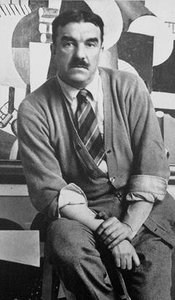
1881 - 1955 , საფრანგეთი

Explore the revolutionary world of Cubism. Discover how masters Pablo Picasso and Georges Braque dismantled reality through geometric abstraction to redefine modern art history.
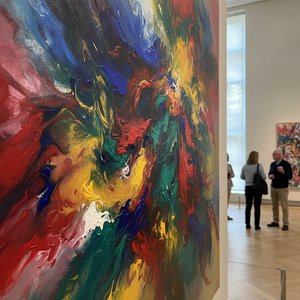
Explore the profound emotional depth of Lyrical Abstraction. Discover how masters like Raymond Parker used color and form to bridge Impressionism and Abstract Expressionism. Learn about this pivotal movement through our expert-led art history guide.

Explore the profound emotional depth of Color Field painting. Discover the history of mid-century abstraction, from Rothko to Newman, and learn how pure color transforms the viewer's experience through our expert art history guide.


ყოველთვის პირველი იყავით უახლესი ხელოვნების სიახლეების, ექსკლუზიური შეთავაზებებისა და დეკორაციის იდეების შესახებ ინფორმირებული.
გვიამარტეთ თქვენი პროექტის შესახებ და ჩვენი ხელოვნების ექსპერტები მოგაწვდით 3 პერსონალიზებულ რეკომენდაციას.
დაგვიძlinეთ სამი ვარიანტის შერჩევა სპეციალურად თქვენთვის – უფასოდ!


 წინასწარი ნახვა
 გაგზავნა
 გაზიარება
 დეტალები

 ჩამოტვირთვა
 მსგავსები
 რენტგენოგრაფიული კვლევა
 სლაიდშოუ
 გადასართად დაწვრილებით ნახეთ







 მინის ჩარჩოს არჩევანი ხელმისაწვდომია მხოლოდ 110 სმ-ზე ნაკლები ზომისთვის


